No Picture
News Briefs

Pope Leo XIV condemns violence in Iran, Syria, and Ukraine

January 11, 2026 Catholic News Agency 1
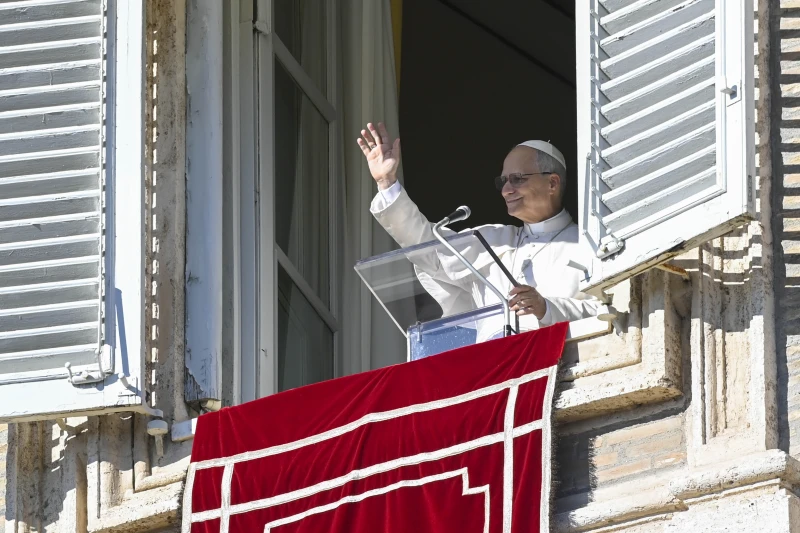
Pope Leo XIV greets pilgrims gathered in St. Peter’s Square at the Vatican for the recitation of the Angelus on Jan. 11, 2026. / Vatican Media

Vatican City, Jan 11, 2026 / 08:25 am (CNA).

Pope Leo XIV on Sunday lamented escalating violence in Iran and Syria and renewed his appeal for peace in Ukraine, while also offering a special blessing for children receiving baptism and praying for those born into “difficult circumstances.”

Speaking after the Angelus on Jan. 11, the pope said: “My thoughts turn to the situation currently unfolding in the Middle East, especially in Iran and Syria, where ongoing tensions continue to claim many lives.” He added: “I hope and pray that dialogue and peace may be patiently nurtured in pursuit of the common good of the whole of society.”

The pope’s remarks came amid unrest in Tehran, where anti-government protests that began about two weeks ago have left more than 70 people dead, according to human rights organizations.

He also pointed to renewed fighting in Syria, where international media reports say clashes have erupted in Aleppo between the interim government’s army and the Kurdish-led Syrian Democratic Forces over control of neighborhoods in the city center. At least 14 civilians have been killed, with dozens injured and tens of thousands displaced, according to those reports.

Turning to the war in Ukraine, Leo warned of the mounting toll of Russian strikes as winter intensifies.

“In Ukraine, new attacks – particularly severe ones aimed at energy infrastructure as the cold weather grows harsher – are taking a heavy toll on the civilian population,” he said. “I pray for those who suffer and renew my appeal for an end to the violence and for renewed efforts to achieve peace.”

Recent attacks have left more than one million homes without water or heat in Ukraine’s Dnipropetrovsk region.

Earlier in the day, the pope celebrated Mass for the Feast of the Baptism of the Lord and baptized 20 newborns, the children of Vatican employees, in the Sistine Chapel. After the Angelus, he said he wanted to extend his blessing “to all children who have received or will receive Baptism during these days – in Rome and throughout the world – entrusting them to the maternal care of the Virgin Mary.”

He added: “In a particular way, I pray for children born into difficult circumstances, whether due to health conditions or external dangers. May the grace of Baptism, which unites them to the Paschal Mystery of Christ, bear fruit in their lives and in the lives of their families.”

During his Angelus reflection, Leo spoke about the meaning of Christ’s baptism and how the sacrament of baptism makes believers “children of God through the power of his Spirit of life,” encouraging the faithful to remember “the great gift we have received” and to bear witness to it “with joy and authenticity.”

This story was first published by ACI Prensa, CNA’s Spanish-language news partner. It has been translated and adapted by CNA.

[…]

No Picture
News Briefs

‘I am not ordaining you for an ideal country,’ South Sudanese bishop tells new priests

January 11, 2026 Catholic News Agency 1
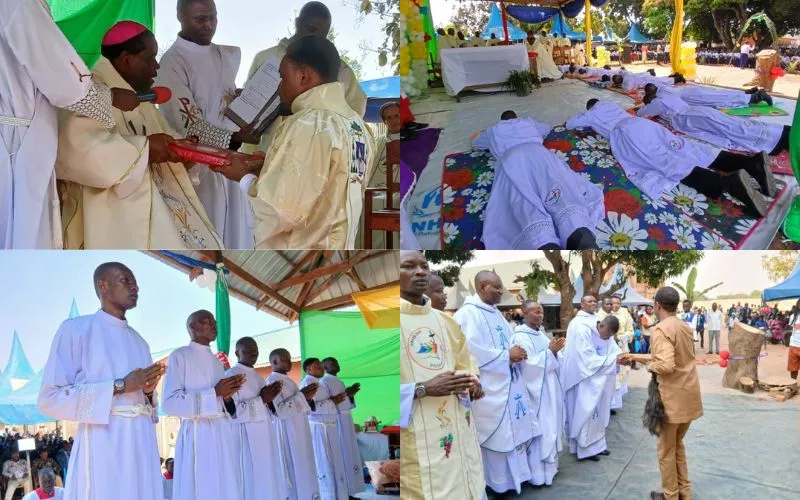
Four new priests and six new deacons were ordained for South Sudan’s Catholic Diocese of Tombura-Yambio on Jan. 4, 2026. | Credit: Ruru Gene News/Sister Laurencila, FSSA

Jan 11, 2026 / 07:00 am (CNA).

The four newly ordained priests and six newly ordained deacons for South Sudan’s Catholic Diocese of Tombura-Yambio have been reminded of the urgency of their mission in the contemporary world, especially in communities wounded by conflict, poverty, and division.

In his Jan. 4 homily during the ordination Mass that coincided with the solemnity of the Epiphany at St. Augustine Parish in the diocese, Bishop Eduardo Hiiboro Kussala reflected on the role of priests in reconciling broken communities, forming consciences through education, restoring dignity among the poor, and remaining steadfast where fear and suffering persist.

“I am not ordaining you for an ideal country,” Hiiboro said and described South Sudan, the world’s youngest nation, as a nation deeply loved by God and in need of committed pastoral leadership.

He noted that the Church sends priests into real situations marked by fragility but also hope.

The bishop, who serves as the president of the Integral Human Development Commission of the Sudan and South Sudan Catholic Bishops’ Conference, further urged those he was ordaining to be stars in guiding others to Jesus Christ in their respective ministries.

Hiiboro reflected on the story of the Magi and reminded the new priests and deacons that ordination does not replace Christ but points others toward him.

Reflecting on the star that guided the three Wise Men from the East to see the infant Jesus, Hiiboro urged the newly ordained deacons and priests to allow their lives to guide people to Jesus through faithfulness and witness.

“As the Magi followed the star and found Christ, you are now sent to be stars, guiding others to Jesus,” the bishop said.

Calling for unity among members of the clergy as one of the most powerful forms of preaching, the South Sudanese bishop encouraged fraternity, shared prayer, and forgiveness, reminding the clergy that love among priests is a visible sign of discipleship.

The bishop cautioned against constant complaint and division among members of the clergy, warning that such attitudes weaken vocation and harm communities.

Instead, he encouraged priests to embrace the cross of Christ, noting that suffering, when embraced with humility, sanctifies — but destroys one who rejects it.

Discouraging a “celebrity mentality” among priests, Hiiboro said the Church is more concerned with “holy shepherds rooted in the daily realities of the people.” Holiness, the bishop explained, is not an escape from life but faithfulness within it.

He urged priests never to abandon prayer, warning that a priest who stops praying gradually loses direction.

The South Sudanese Church leader went on to describe the three evangelical vows — celibacy, obedience, and simplicity/poverty — as paths to inner freedom, not limitations, which help priests overcome ego, attachment, and isolation.

Hiiboro, referencing the words of Pope Francis, urged priests to remain close to the communities they serve, portraying them as agents of peace, defenders of human dignity, promoters of education, and advocates for food security and self-reliance.

He emphasized that such involvement is not political activism but a genuine expression of living the Gospel.

The bishop also cited examples of saints who made a lasting impact on society through faith and service, including St. Benedict of Nursia, St. Daniel Comboni, St. Josephine Bakhita, and St. John Bosco — noting that they demonstrated courage even in challenging and imperfect circumstances.

The bishop also urged those he was ordaining to embrace their priestly identity with confidence, reminding them that their very presence, conduct, and appearance already preach before words are spoken.

This article was originally published by ACI Africa, CNA’s news partner in Africa, and has been adapted for CNA.

[…]

No Picture
News Briefs

At annual meeting, Catholic historians assess impact of first American pope

January 10, 2026 Catholic News Agency 1
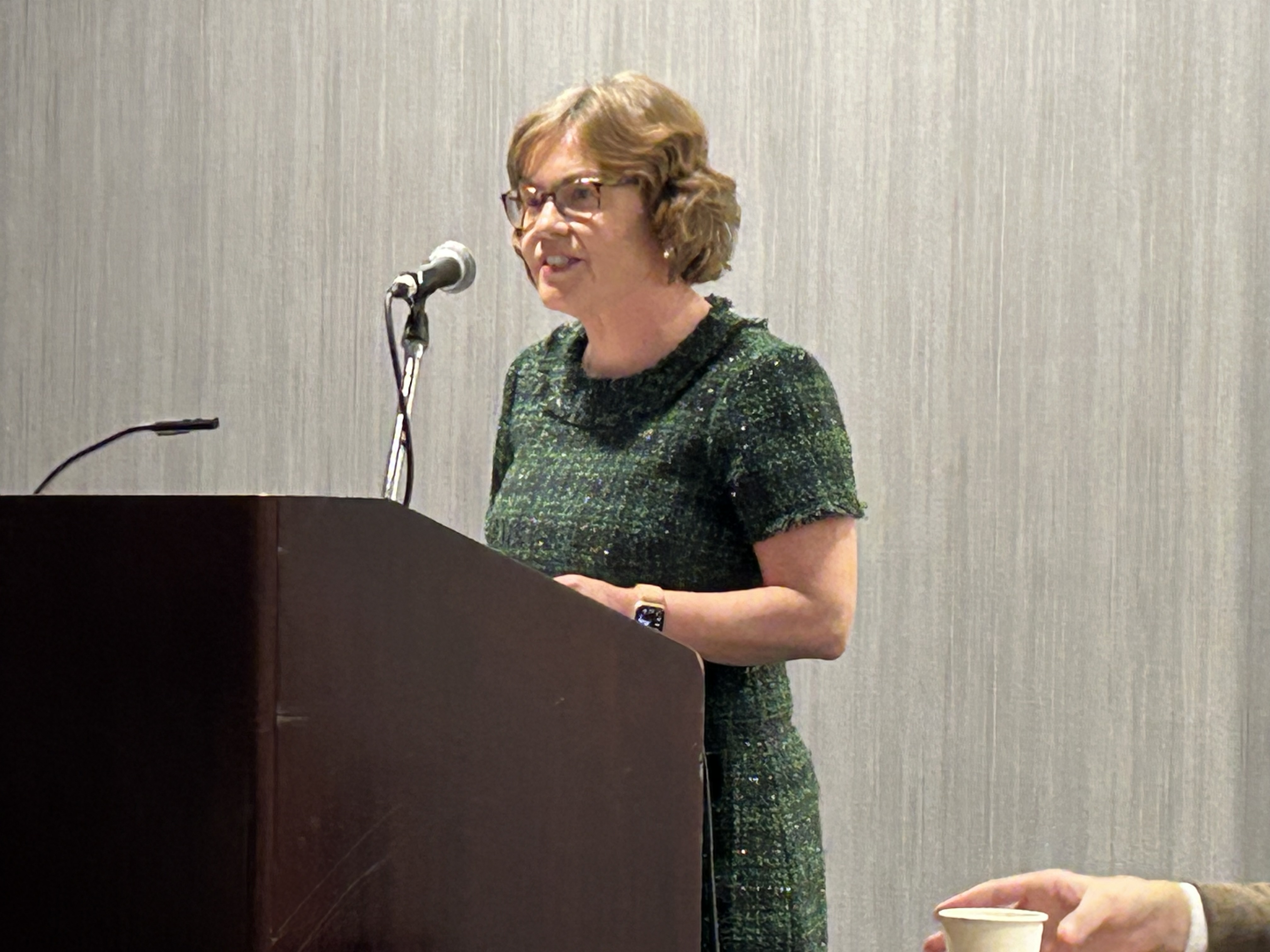
University of Notre Dame professor Kathleen Sprows Cummings. Credit: Ken Oliver-Méndez/CNA

Jan 10, 2026 / 10:12 am (CNA).

Assessing the impact of the Catholic Church’s first American pope was front and center at the 106th annual meeting of the American Catholic Historical Association (ACHA), which met in Pope Leo XIV’s hometown of Chicago from Jan. 8-11.

During a panel on the subject, Catholic scholars noted some of the historic caricatures of what an American papacy would be like and compared that to the first eight months of Leo’s actual papacy.

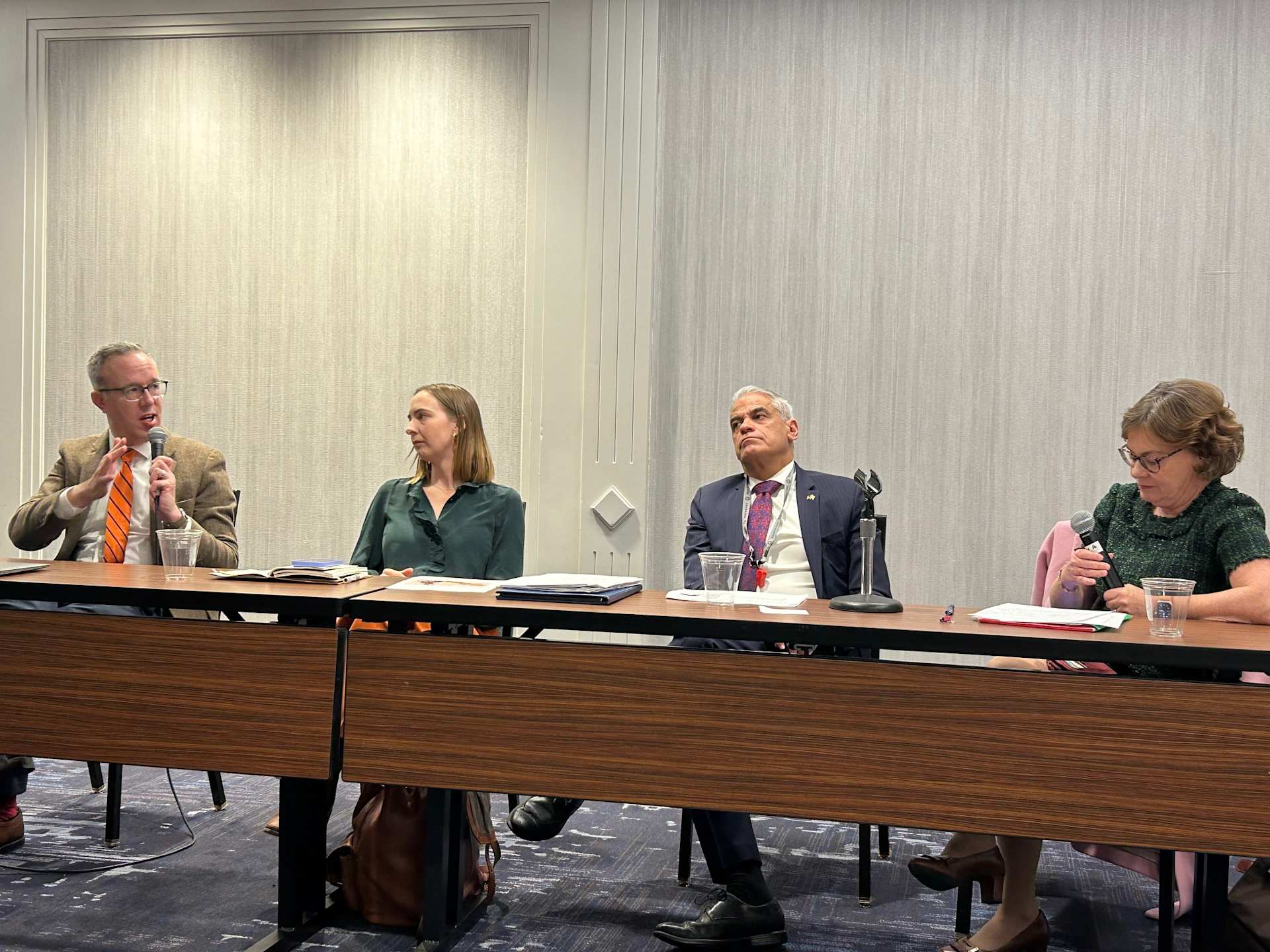
American Catholic History Association panelists (from left to right) Brian Flanagan, Colleen Dulle, Miguel Diaz and Kathleen Sprows Cummings. Credit: Ken Oliver-Méndez/CNA

At the outset of the panel, University of Notre Dame history professor Kathleen Sprows Cummings referenced the 1894 Puck magazine cartoon titled “ The American Pope,” which depicts the first apostolic delegate to the United States, Cardinal Francesco Satolli, sitting atop a church labeled the “American headquarters” and casting a shadow of then Pope Leo XIII over the entire country.

Sprows Cummings noted the cartoon illustrates “fears about papal intervention in the United States” at a time when the country was receiving waves of Catholic immigrants from countries such as Ireland and Italy.

As Catholics became more settled in American society in the subsequent decades, she said some of those prejudices began to lessen and pointed to the 1918 election of Catholic Democrat Al Smith as New York’s governor. By this point, Catholics had become “much more confident about their place in American culture.”

During the same early 20th century period, the United States also began to rise as a superpower. Sprows Cummings noted that predominant concerns about an American pope shifted to Vatican concerns over the “Americanization of the Catholic Church.”

America magazine’s Vatican correspondent, Colleen Dulle, said some of those concerns were evidently mitigated in the person of then Cardinal Robert Prevost, whose service to the Church included many years as a missionary and bishop in Peru as well as in Rome as the head of a global religious order, the Augustinians.

Sprows Cummings said the College of Cardinals clearly saw in Cardinal Prevost the “pastoral presence, administrative savvy and global vision” that the Church needed at this time and that he was “not elected in some flex of American power.”

Miguel Diaz, the John Courtney Murray, S.J. Chair in Public Service at Loyola University Chicago, noted that some of Leo’s actions have actually amounted to the opposite of flexing American power, such as his focus on the dignity of migrants, which he contrasted to the policies of the Trump administration.

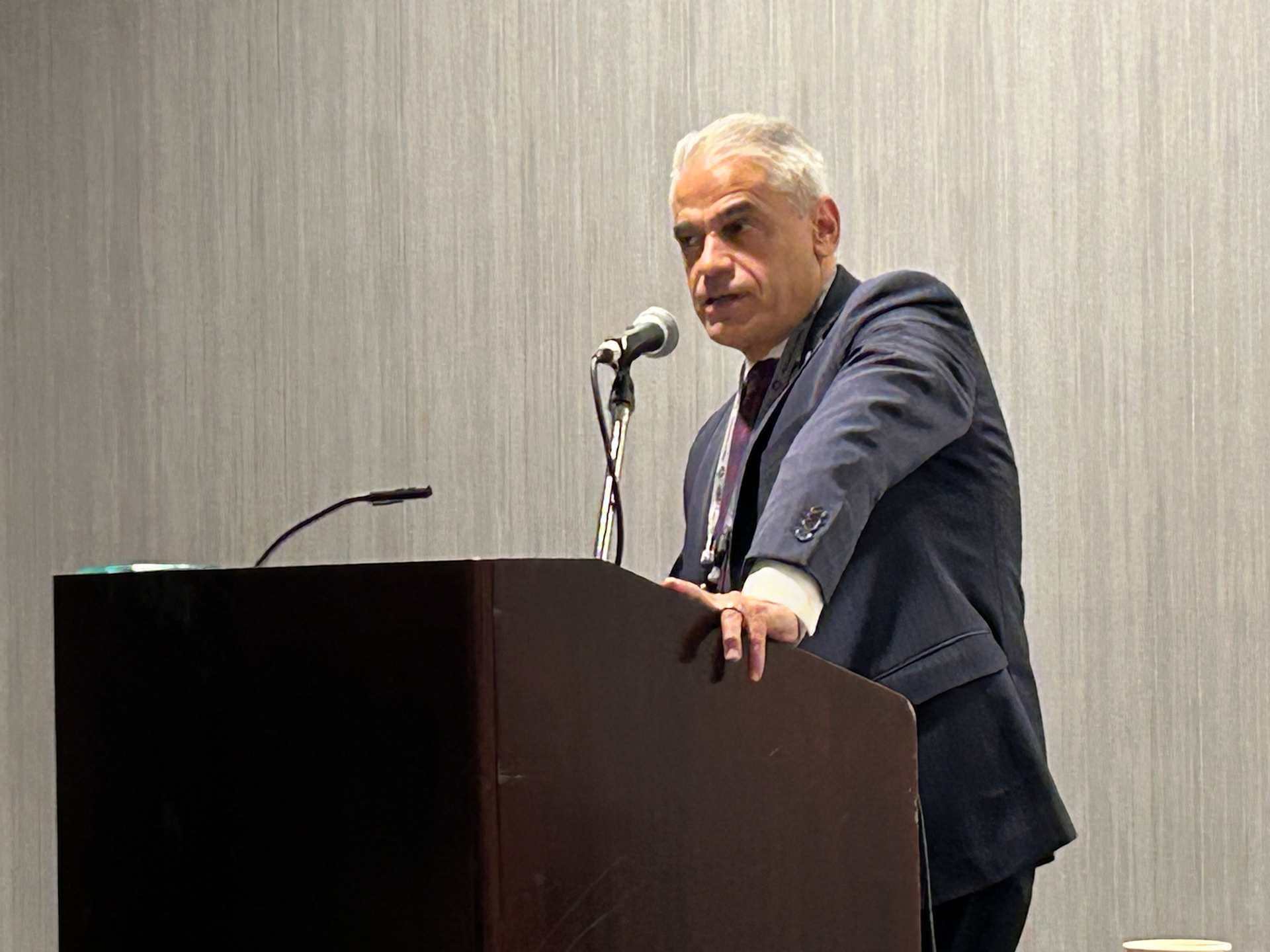
Former U.S. Ambassador to the Holy See Miguel Diaz. Credit: Ken Oliver-Méndez/CNA

Diaz, who served as U.S. ambassador to the Holy See under former President Barack Obama, said Leo is “a different symbol, from America first to America cares.”

He emphasized that having an American pope is significant amid the country’s political debates because “he can say things and he will be listened to.”

The panelists also discussed what Leo’s papacy may look like moving forward, with Dulle noting that only this year are there clear signs of him charting his own programmatic course, as the events and itinerary of the 2025 Jubilee were primarily developed for Pope Francis.

Up until now, she said, he has been mostly “continuing the Francis initiatives in a different style.”

She noted Pope Leo’s management of this week’s consistory — a meeting between the pope and the College of Cardinals — where the pontiff gave them four topics to choose from, which were all in line with Francis’s priorities: synodality, evangelization, reform of the curia, and the liturgy. The cardinals chose synodality and evangelization.

Dulle said Leo is seen as “a consensus builder” who aims to build consensus around the Church’s priorities. She noted Pope Leo’s announcement this week of a regular schedule of consistories, with the next one set for this June. This approach is emerging as a “hallmark of how he governs the Church” Dulle said.

Brian Flanagan, the John Cardinal Cody Chair of Catholic Theology at Loyola University Chicago, also emphasized Leo’s strong appeal to the cardinals and bishops in efforts to reach consensus, in keeping with the Pope’s role as a preserver of unity.

Flanagan said he sees Leo exercising the papacy as not so much “at the top of the pyramid, but as at the center of conversation.” He said this is likely influenced by Leo’s past as leader of a religious order — the Order of Saint Augustine — rather than a diocese because the orders are “global, diverse, and somewhat fractious.”

“You can’t govern a global religious community without getting people on board,” he said.

[…]