

 By
By The annual ecumenical initiative invites believers and nonbelievers to explore hundreds of churches, chapels, and synagogues across the Czech Republic, Austria, and Slovakia on May 29.
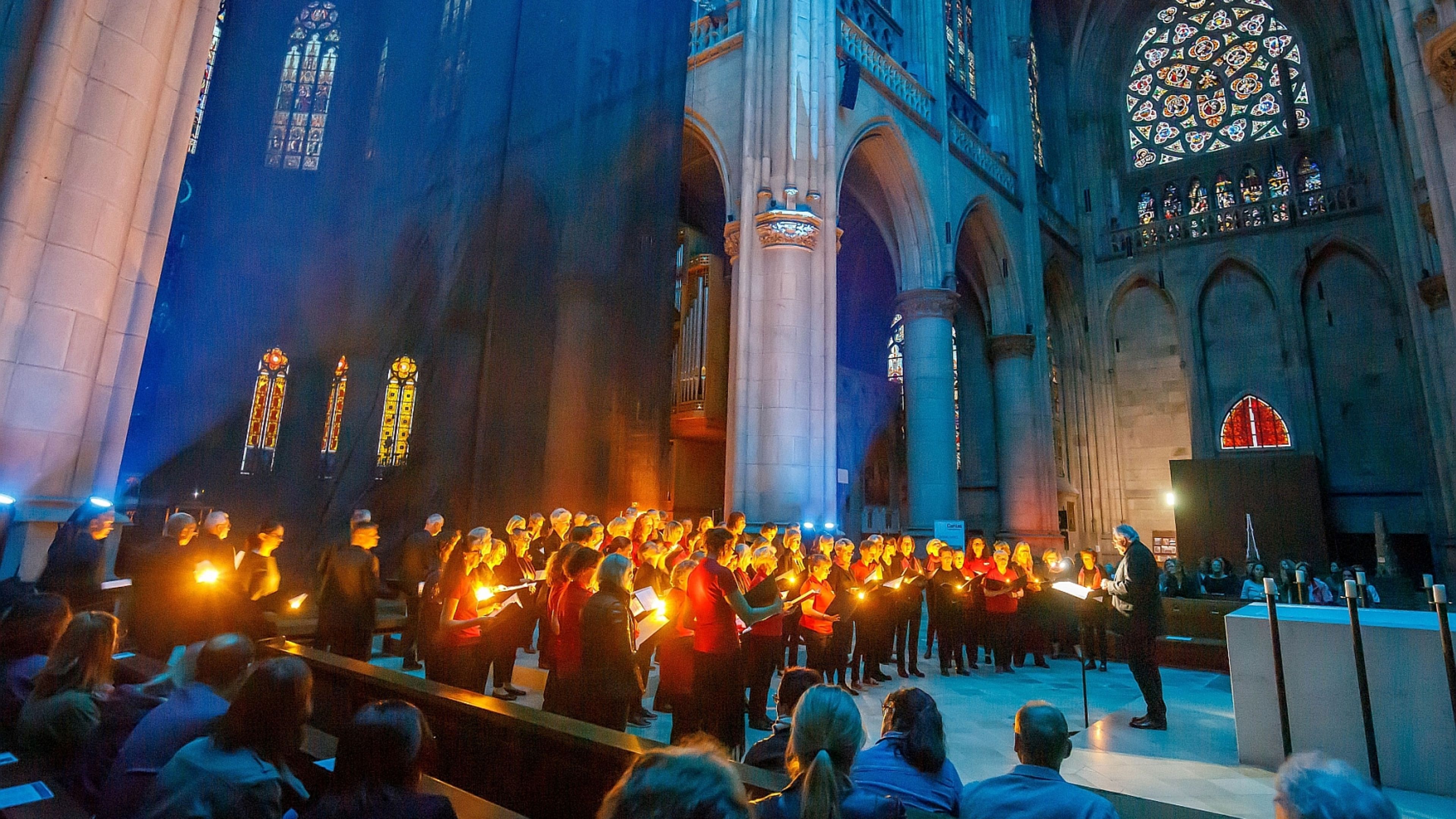
Hundreds of Christian churches and religious sites across central Europe will open their doors on the evening of May 29 for the Night of Churches, an annual ecumenical initiative that draws nearly 1 million visitors in the Czech Republic and Austria combined.
The event, now in its 18th year in the Czech Republic, invites believers and nonbelievers alike to explore churches, chapels, and synagogues through concerts, exhibitions, talks, guided tours, and prayer — often until late at night. Some participating sites grant access to towers, crypts, and spaces that are otherwise closed to the public. This yearʼs theme in the Czech Republic and in Slovakia is “Courage.”
Last year, more than 460,000 visitors and 25,000 volunteers took part across the Czech Republic, an increase of 40,000 visitors and 5,000 volunteers compared with the year before. In Austria, organizers counted around 300,000 visitors in each of the last two years. In Slovakia, where precise figures were not available for 2025, several cities reported record attendance, according to the press agency of the Slovak Bishops’ Conference.
‘Sometimes it takes courage’
Archbishop Stanislav Přibyl of Prague, writing in the periodical Kostelní Noviny published for the occasion, acknowledged that “sometimes it takes courage to even cross the threshold of a church.” The prelate invited readers to enter and “get to know each other,” noting that “churches and chapels were created as spaces for people to meet each other and with God.”
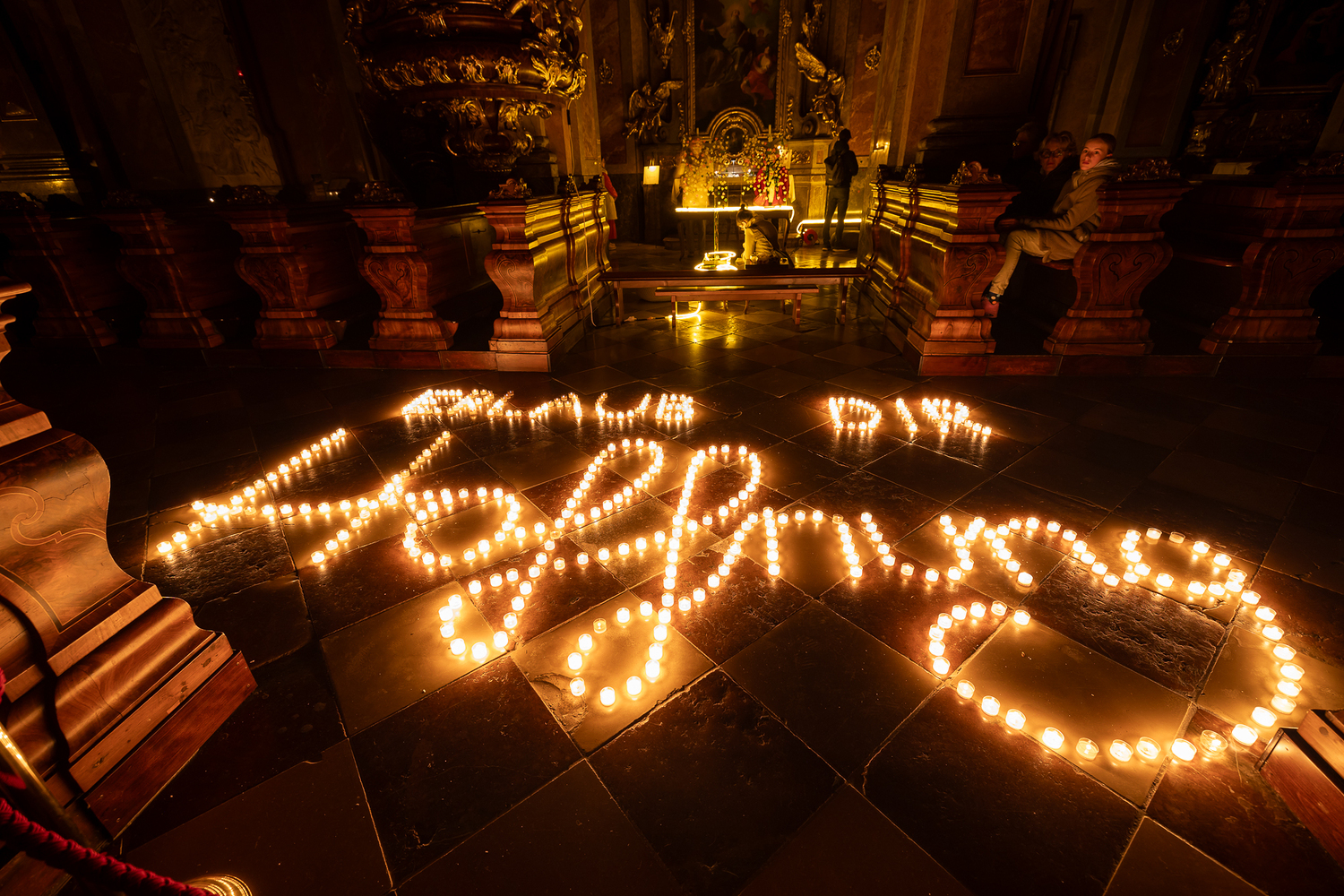
Archbishop Josef Grünwidl of Vienna said he appreciated the growing popularity of the Night of Churches in neighboring Czechia, calling it “a challenge for all people to further explore their own religious and spiritual tradition, enter new spaces, and not be afraid to open up to the unknown.”
In Vienna, Grünwidl and Bishop Cornelia Richter of the Evangelical (Lutheran) Church invited guests from church, society, business, and politics for dinner and discussion at the archbishopʼs palace. A limited number of seats were available through a public lottery.
Organizers in the Austrian capital alone expect more than 100,000 visitors, who will be able to choose from more than 170 participating churches — including a police chapel — and performances ranging from Gregorian chant to a Korean choral concert.
In Slovakia, Archbishop Bernard Bober of Košice, president of the Slovak Bishops’ Conference, called on people to come, saying that “open temples will become a place of prayer, meeting, and courage to seek God in silence and in community.” He described the event as an “opportunity to rediscover the beauty of faith and the openness of our churches to everyone.”
Several Czech regional governors encouraged residents to enjoy the Night of Churches for its “unique atmosphere” and “openness and sharing,” or simply to pause inside centuries-old buildings and reflect “on how we live and what we can do for us and for others.”
A buried villageʼs night of memory
The initiative has also provided unexpected settings for faith and reconciliation. In 2023, former parishioners of the village of Radovesice in the Czech Republic gathered above the site of their buried village — including its Church of All Saints — on the 40th anniversary of the villageʼs demolition.
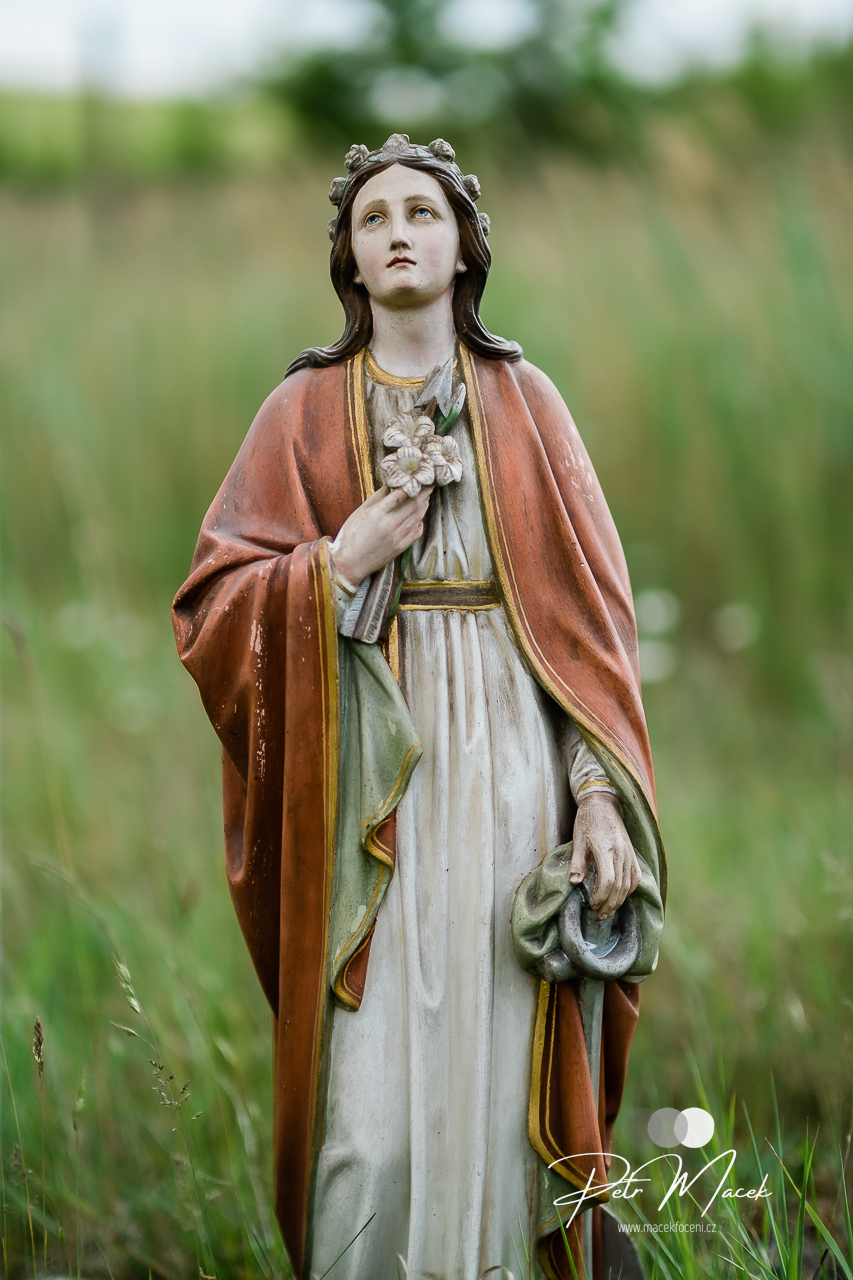
The village was one of several in northwestern Czechoslovakia destroyed during the communist era to make way for mining.
“We brought archive documents, paintings, and statues which had belonged to the temple [church],” Robert Kotyšan, caretaker of the Diocese of Litoměřice, explained in Kostelní Noviny.
“We commemorated the deceased parishioners and debated our relationship and responsibility to the place in which we live,” Kotyšan told EWTN News.
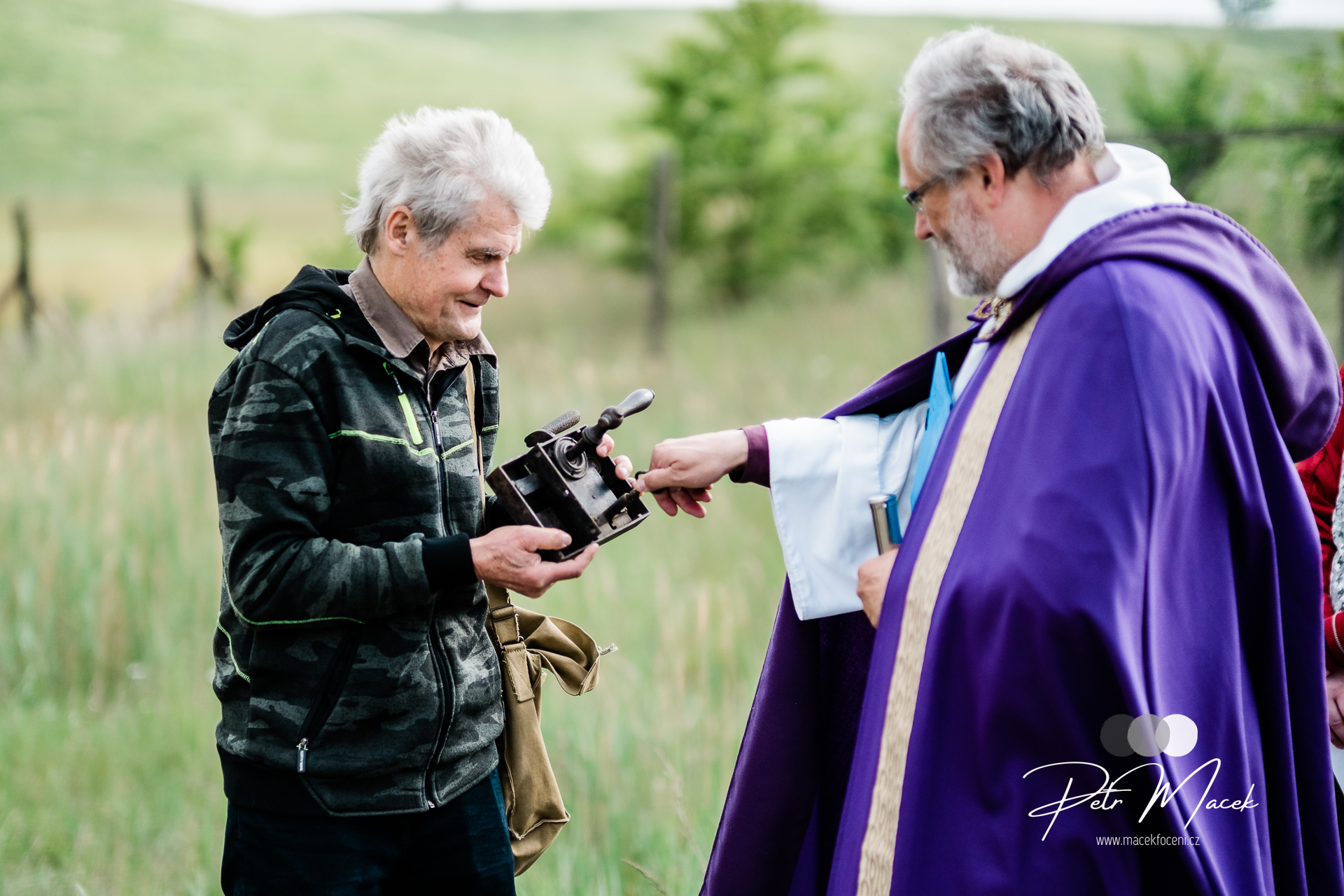
The former parishioners also unlocked a padlock from the church that had been preserved, which Kotyšan described as “a symbolic opening of a better future for this once beautiful country and an effort to return at least part of its memory and dignity to it.”
A considerable part of the artifacts brought to the 2023 gathering are now kept in a still-standing church in Kostomlaty pod Milešovkou, which is itself considered a “dead parish” because no parishioners attend.
The next gathering is planned for 2028, the 45th anniversary of the demolition.
From Frankfurt to 8 countries
The concept of opening churches at night originated in Frankfurt am Main, Germany, in 1995. It spread to Austria in 2005 and to the Czech Republic in 2009 and has since expanded to Slovakia, Hungary, Estonia, South Tyrol in Italy, and Switzerland. The initiative usually takes place at the end of May.
If you value the news and views Catholic World Report provides, please consider donating to support our efforts. Your contribution will help us continue to make CWR available to all readers worldwide for free, without a subscription. Thank you for your generosity!
Click here for more information on donating to CWR. Click here to sign up for our newsletter.

The young and the young at heart are searching for inner peace, serenity, and spaces that can offer them opportunities to experience awe and reverence. ‘Night of churches’ is a meaningful initiative.