

Here is a roundup of recent pro-life and abortion-related news.
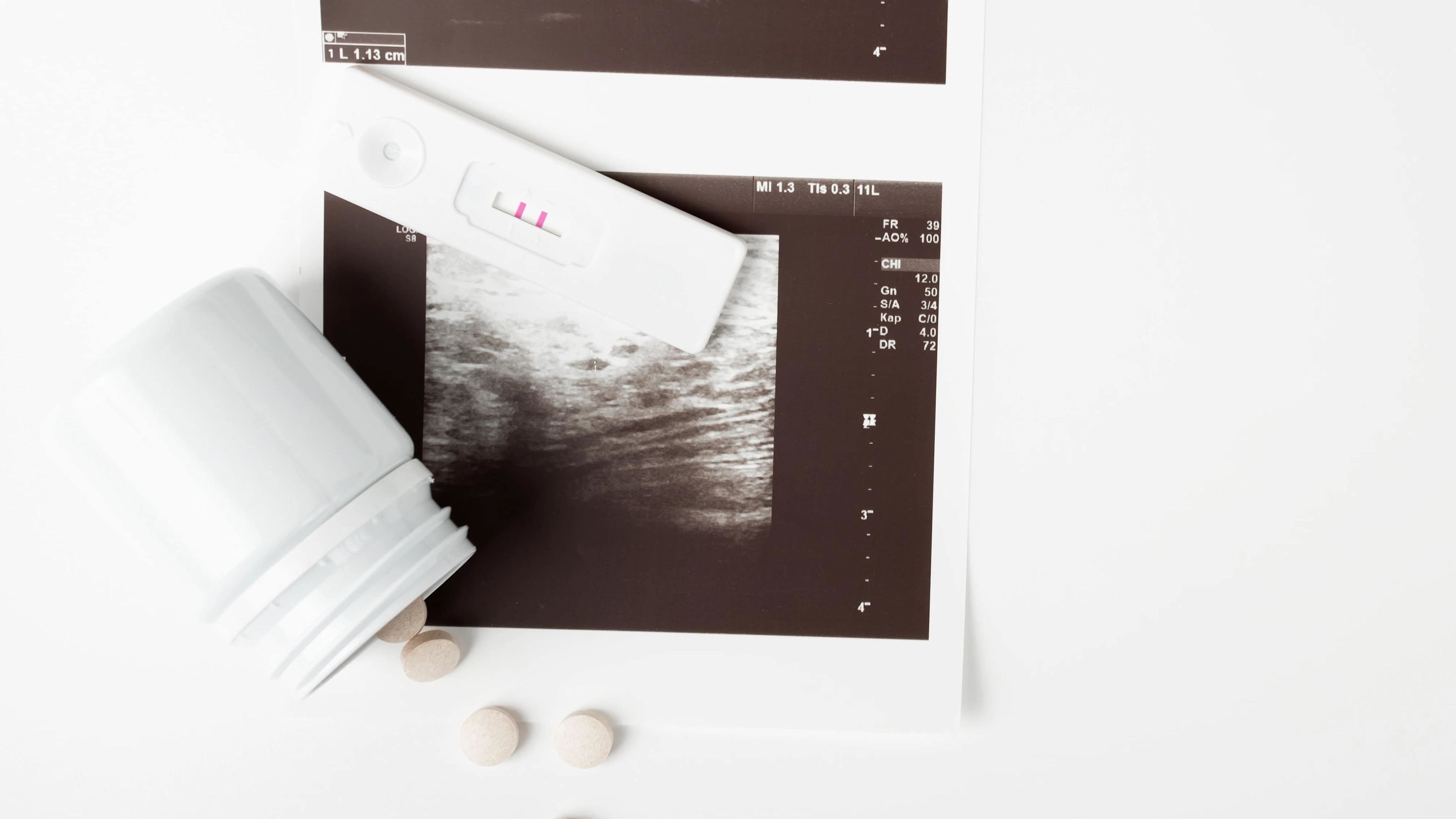
A study by scholars at the pro-life Charlotte Lozier Institute found that the U.S. Food and Drug Administration (FDA) “lacked sufficient evidence” to remove the in-person abortion pill dispensing rule.
Published in Issues in Law and Medicine, a journal of the Alliance for Hippocratic Medicine, on Oct. 6, the report found that the FDA’s studies on the abortion pill didn’t reflect real-world conditions of abortion pill use.
According to the article, the FDA relied on analysis from groups with political incentives. Additionally, the FDA used “inadequate” adverse event reporting, authors Zachery Sluzala and Ingrid Skop found.
“When federal agencies remove regulations designed to safeguard patient health, those decisions should be grounded in evidence that reflects real-world practice,” Skop, an OB-GYN who works for the Lozier Institute, said in a statement.
“Our analysis found that the FDA’s review fell well short of that standard. Safety decisions should reflect the conditions in which women are using the drugs, not tightly controlled study conditions that fail to mimic real-world use.”
Pro-life groups criticize FDA abortion pill update
In a court-ordered update of the agency’s highly anticipated report on the safety of the abortion pill, the FDA said that it will complete the safety review in March 2027, an announcement that led to backlash from pro-life groups.
A federal judge in Louisiana ordered the status report on the safety review. According to its update, the FDA expects to have results by mid-December, with a final report in March 2027 — more than a year and a half after the group first promised the review.
Pro-life leader Marjorie Dannenfelser, who heads Susan B. Anthony Pro-Life America, called the FDA’s update “alarming.”
“The administration must correct course — and, more importantly, it must not wait for the study to conclude before acting,” said Dannenfelser. “Peer-reviewed evidence shows that the Biden administration relied on insufficient evidence and flawed assumptions when it removed the in-person dispensing requirement.
“Action is long overdue,” Dannenfelser said.
Students for Life of America leader Kristan Hawkins also criticized the timeline.
“It shouldn’t take a judge to pry some answers from the FDA on the dangers of chemical abortion pills, nor should it take this long to get them,” said Hawkins. “While we are glad to see the FDA giving attention to deadly drugs, this is not enough to address the harms that recklessly approving mifepristone in 2000 did to public health and fertility.”
Alliance Defending Freedom spokeswoman Erin Hawley observed that “every month of additional delay puts nearly 15,000 additional babies at risk in states where mail-order abortion drugs are unlawful.”
Mail-order abortions “don’t empower women — they facilitate the abuse, coercion, and poisoning of women by making high-risk drugs accessible to bad actors at the click of a button,” said Hawley.
Study: Colleges ‘fail’ pregnant and parenting students
A recent study found that hundreds of state colleges and universities are failing to provide resources to help pregnant and parenting students stay in school.
The study by Students for Life of America’s Demetree Institute found that the average state college campus in the survey offered “barely half the recommended support” for student parents.
The study looked at more than 500 state colleges and universities, examining the housing policies, on-campus resources, financial assistance, medical attention, and accommodations and policy transparency they offer to student-parents.
The three lowest-ranked schools were Dalton State College in Georgia, Dakota State University in South Dakota, and Concord University in West Virginia.
About 98% of schools in the study were missing at least two recommended accommodations for pregnant and parenting students. On-campus housing for families was unavailable at more than 70% of schools. About 85% of schools did not offer scholarships targeted for pregnant or parenting students.
Men’s march for life to be held in Boston
Men will gather in Boston on Nov. 1 for a national men’s march for life.
The National Men’s March to Abolish Abortion and Rally for Personhood first began in 2021. In the event, men march about three miles to a rally point where they meet up with their families, pray, and listen to speakers.
In an interview on EWTN’s “At Home With Jim and Joy,” the march’s president, Jim Havens, said the march is focused on “getting men off the sidelines in the fight for equal protection of the preborn — of all human life.”
“We’re going to do it in authentic love; we’re going to do it in a peaceful manner, the right way, standing up in public,” he continued. “It really is powerful when we gather together and do this with Christ at the center.”
Scottish bishops warn against proposal to expand abortion
The Scottish bishops are warning against a proposal that they say would allow abortion up to birth for any reason.
The proposal would decriminalize abortion in Scotland and remove existing legal safeguards protecting unborn children.
The Bishops’ Conference of Scotland expressed opposition to the proposal in a statement by Bishop John Keenan, who heads the bishops’ Marriage, Family and Life Commission.
“There is a better way than abortion,” Keenan said in the statement.
“Every human life possesses inherent dignity and worth; a dignity that does not depend upon age, size, ability, dependency or stage of development,” Keenan said. “It begins at conception and continues until natural death. A just and compassionate society should recognize and protect the lives of both mother and child, especially when either is vulnerable.”
Las Vegas archbishop urges vote against abortion measure
Las Vegas Archbishop George Leo Thomas called on Catholics in Nevada to vote “no” on a ballot measure that would roll back protections for unborn children, minors, and women and expand abortion up to birth.
The Nevada measure would expand the right to abortion, which is already legal in the state up to 24 weeks of pregnancy. The letter opposing the Nevada abortion ballot measure was read at Masses across the archdiocese Oct. 3-4.
“This question is not whether abortion is legal in Nevada; it already is under a law approved by Nevada voters in 1990,” said Thomas. “The Legislature cannot amend or repeal that law; only a direct vote of the people can do so. This question is whether Nevada voters should expand the right to abortion in ways that can harm the health, safety, and welfare of women and minors. Moreover, this measure will have grave and lasting consequences for vulnerable unborn lives.”
“Unborn children have no voice and cannot defend themselves,” Thomas said. “As Catholics, our faith requires us to protect the inherent dignity of every human life and to speak for those who cannot speak for themselves.”
If you value the news and views Catholic World Report provides, please consider donating to support our efforts. Your contribution will help us continue to make CWR available to all readers worldwide for free, without a subscription. Thank you for your generosity!
Click here for more information on donating to CWR. Click here to sign up for our newsletter.

Leave a Reply