

 By
By A regional government’s minister of culture highlighted the cause for beatification of Queen Isabella during a meeting with Archbishop Luis Argüello, president of the Spanish Bishops’ Conference.
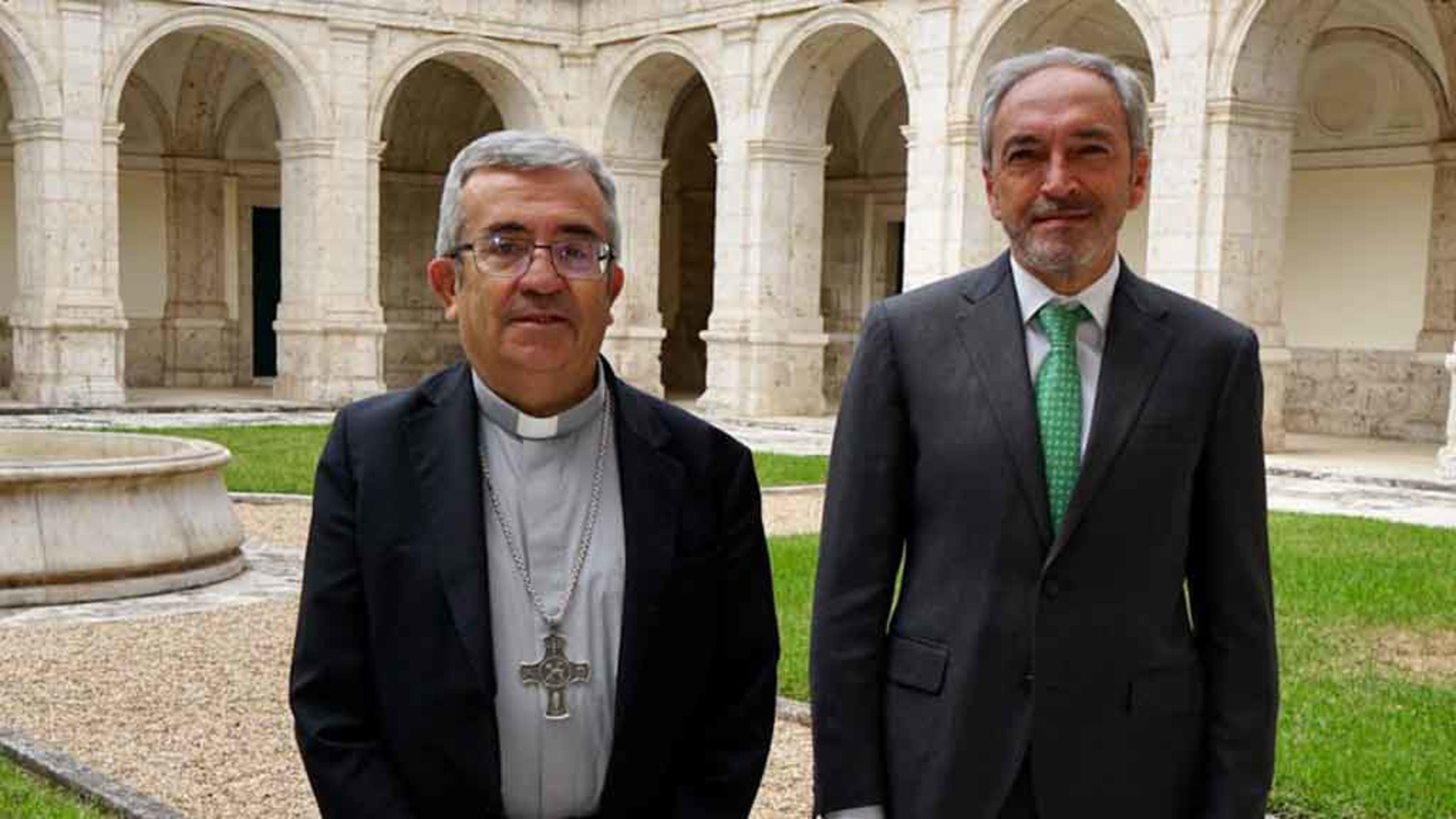
The regional government of Castile and León in Spain highlighted the beatification cause of Queen Isabella during a meeting with the archbishop of Valladolid and president of the Spanish Bishops’ Conference, Luis Argüello.
During a meeting between Argüello and the minister of culture, tourism, and sport, Alberto Díaz Pico, the regional government expressed its “interest in promoting the commemoration of the 500th anniversary of the birth of Philip II (in 2027), as well as highlighting the beatification cause of Isabella, the Catholic Monarch, and its historical and cultural significance,” according to an Aug. 27 statement issued by the government.
Isabella and her husband, King Ferdinand, were given the title “the Catholic Monarchs” by Pope Alexander VI through the papal bull Si Convenit for their defense of the Catholic faith.
“Furthermore, the commitment to continue collaborating with the Church on the conservation, protection, and enhancement of the ecclesiastical heritage of Castile and León has been reaffirmed, with a view to exploring ways to expand and strengthen existing support measures,” the statement added.
The statement also highlighted “the good rapport and the determination to maintain close collaboration on matters of mutual interest regarding the culture, heritage, and history of Castile and León.”
Isabella, the Catholic Monarch
Isabella I of Castile was born in Madrigal de las Altas Torres on April 22, 1451, Holy Thursday that year. After being recognized as Princess of Asturias in 1468, she married Ferdinand of Aragon in 1469 and had six children, two of whom predeceased her. Upon the death of Enrique IV, she was proclaimed queen in 1474, according to the Archdiocese of Valladolid.
During her reign, she championed the reconquest of Granada from the Muslims and the voyage of Christopher Columbus, which led to the discovery of the Americas in October 1492. She also promoted the evangelization and protection of the Indigenous peoples of the Americas, going so far as to ban their enslavement. She died on Nov. 26, 1504, from uterine cancer.
The cause for her beatification was initiated in Valladolid in 1958; the diocesan phase concluded in 1990, after which the process moved to Rome.
Historians have already favorably reviewed the documentation, but the theological assessment regarding the heroic nature of her virtues is still pending. Once that takes place, and following the popeʼs approval, she may be recognized as venerable, awaiting a miracle for her beatification.
Enraizados (the “Rooted in Christ and in Society Association”) has an annual Mass celebrated in memory of Isabella. In the manifesto the group published in 2026, it included a prayer by the queen: “I am afraid, Lord, of being afraid and not knowing how to fight. I am afraid, Lord, of being afraid and being capable of denying you. I ask you, Lord, that in your greatness, you do not forget me. And that, with your love, you grant the strength to die for you.”
This story was first published by ACI Prensa, the Spanish-language sister service of EWTN News. It has been translated and adapted by EWTN News English.
If you value the news and views Catholic World Report provides, please consider donating to support our efforts. Your contribution will help us continue to make CWR available to all readers worldwide for free, without a subscription. Thank you for your generosity!
Click here for more information on donating to CWR. Click here to sign up for our newsletter.

Leave a Reply