The Holy Father spent a week in Spain meeting with Catholic and civic leaders, visiting historic sites, and holding major papal Masses.
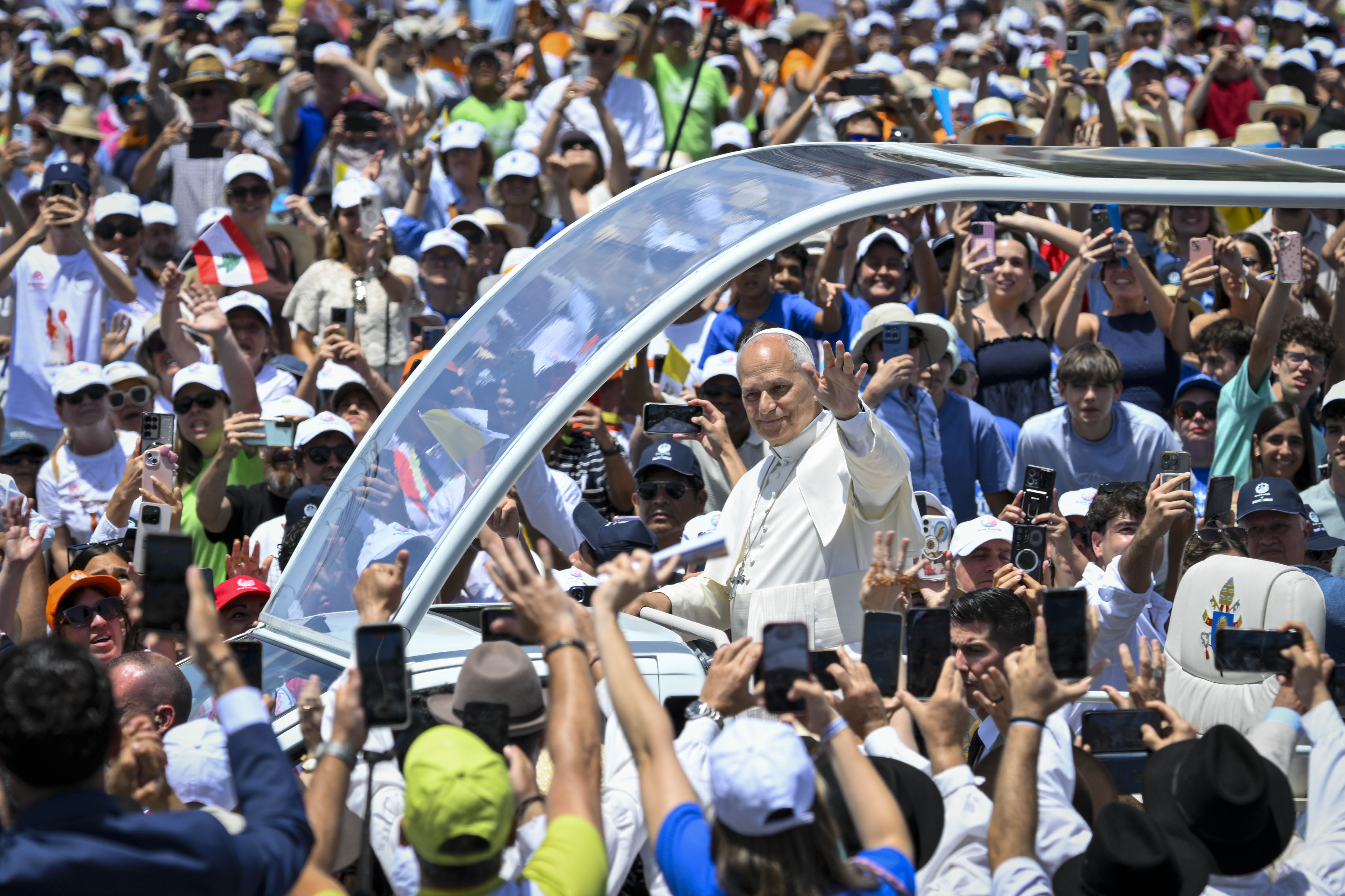
Pope Leo XIV waves to crowds during Mass at the Port of Santa Cruz in Tenerife, Spain, June 12, 2026. | Credit: Vatican Media
Pope Leo XIV departed Spain for Rome on June 12, finishing a weeklong trip to the European country marked by meetings with national leaders and bishops and a historic Mass at the Basilica of the Sagrada Familia.
The Holy Father spent time in Madrid and Barcelona before finishing his visit in the Canary Islands off the coast of Europe. Throughout his weekʼs trip he also met with civic groups, including those that minister to migrants, and visited a prison in Barcelona.
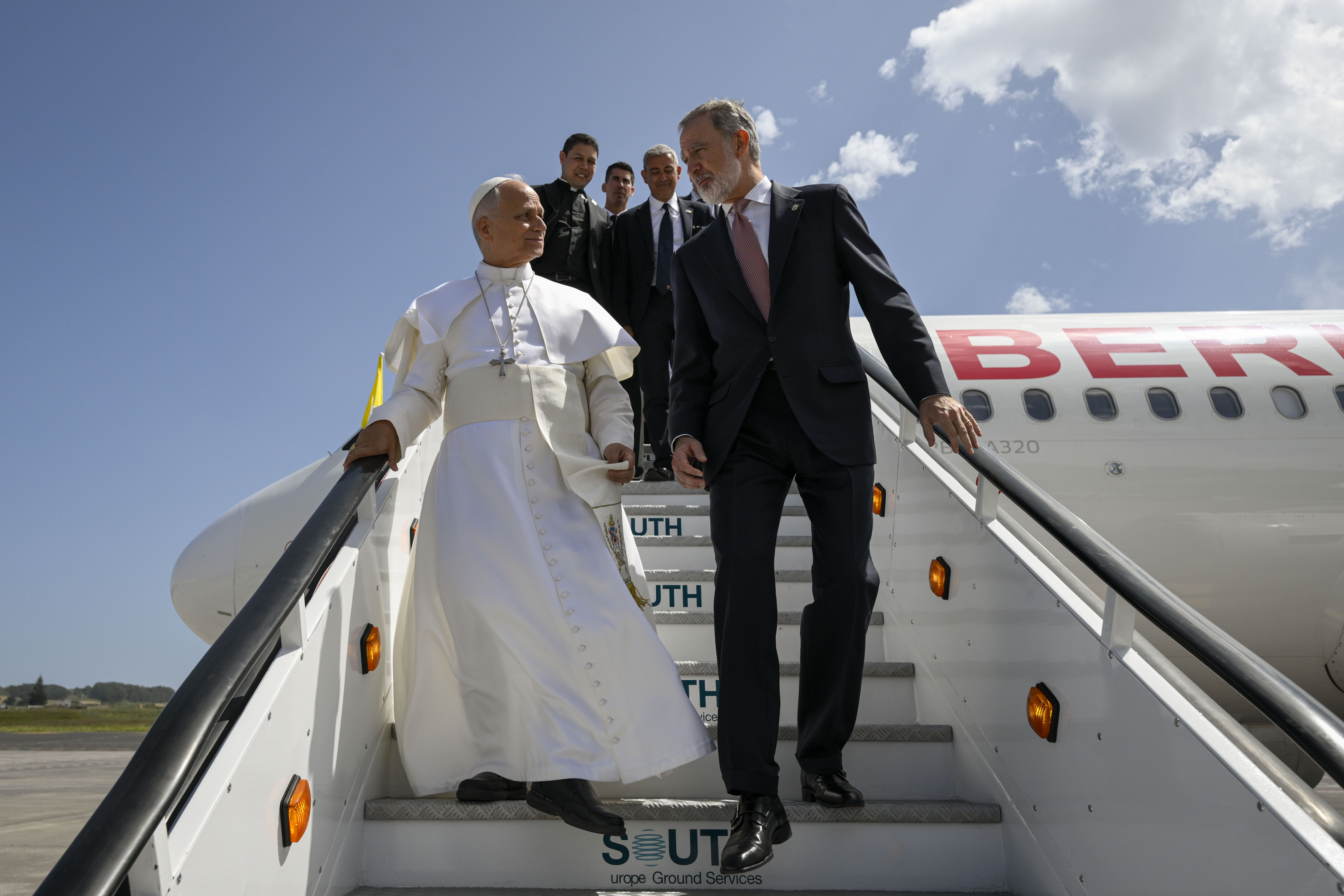
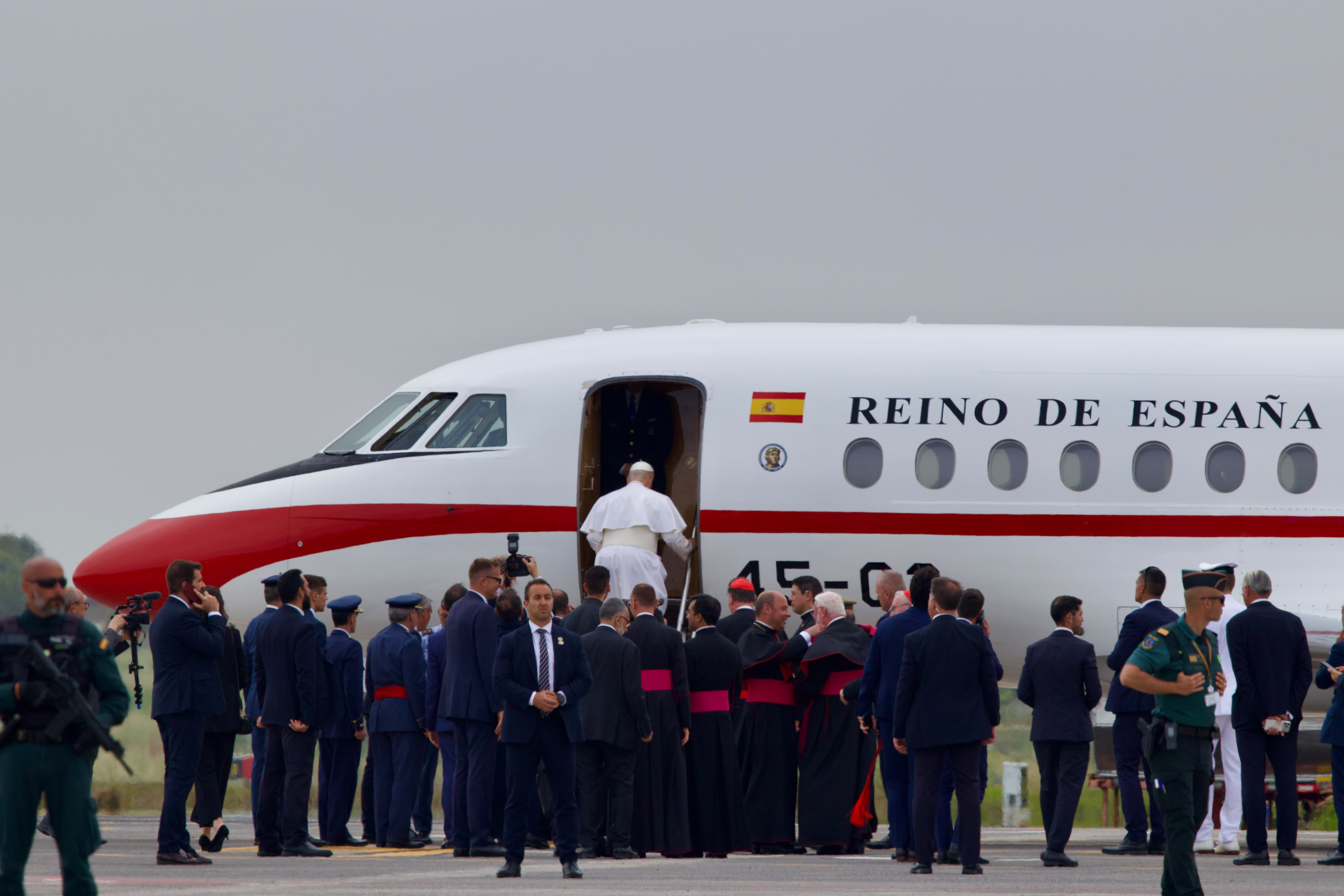
The visit finished with the papal plane suffering a malfunction forcing the pope to deboard before takeoff. He ultimately left for Rome on the king of Spainʼs personal airplane after the king personally offered him the use of the aircraft.
Hereʼs a look at the popeʼs final days in Spain before his return to the Holy See:
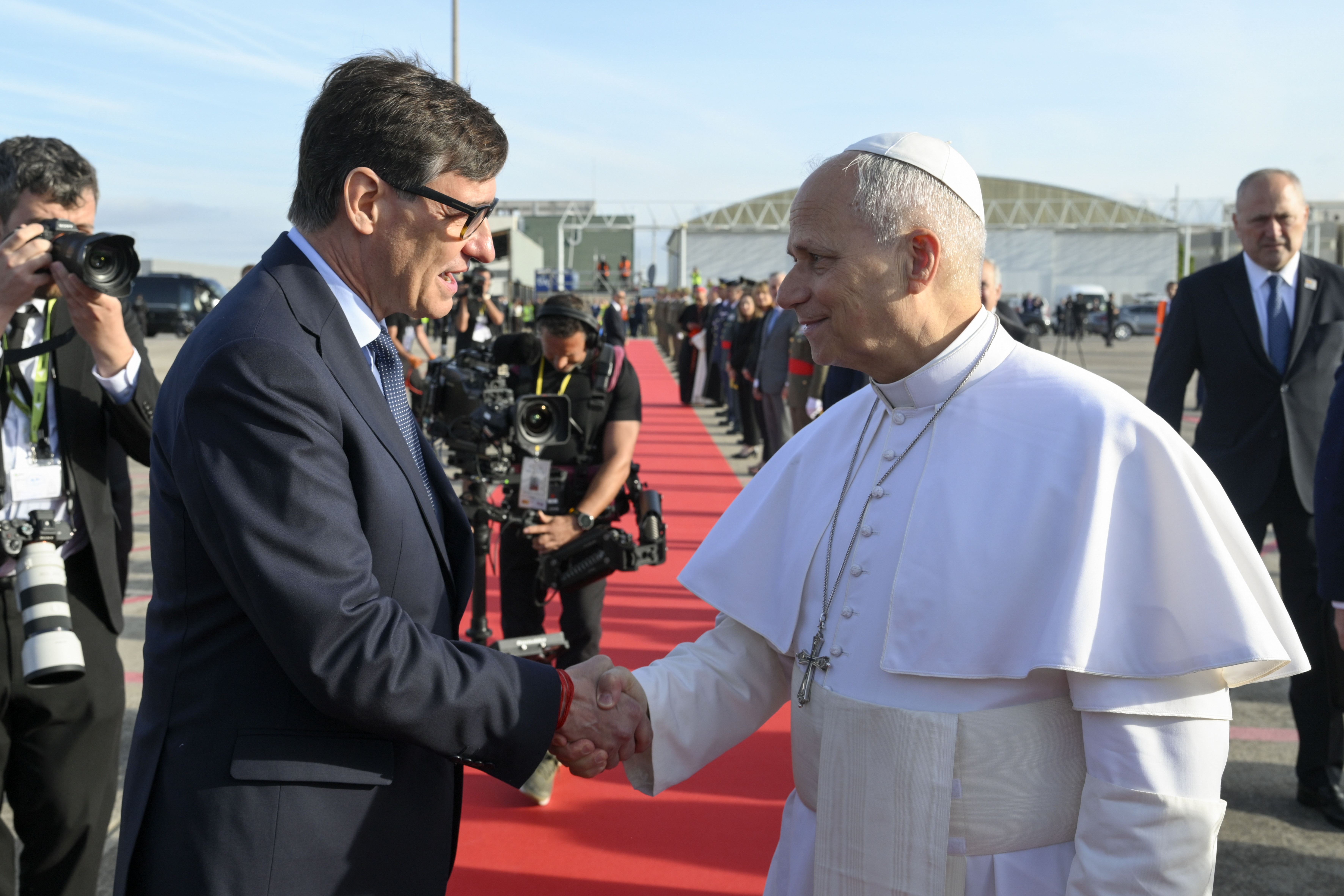
Pope Leo XIV departs Barcelona for the Grand Canary Islands at Josep Tarradellas Barcelona/El Prat International Airport, June 11, 2026. | Credit: Vatican Media
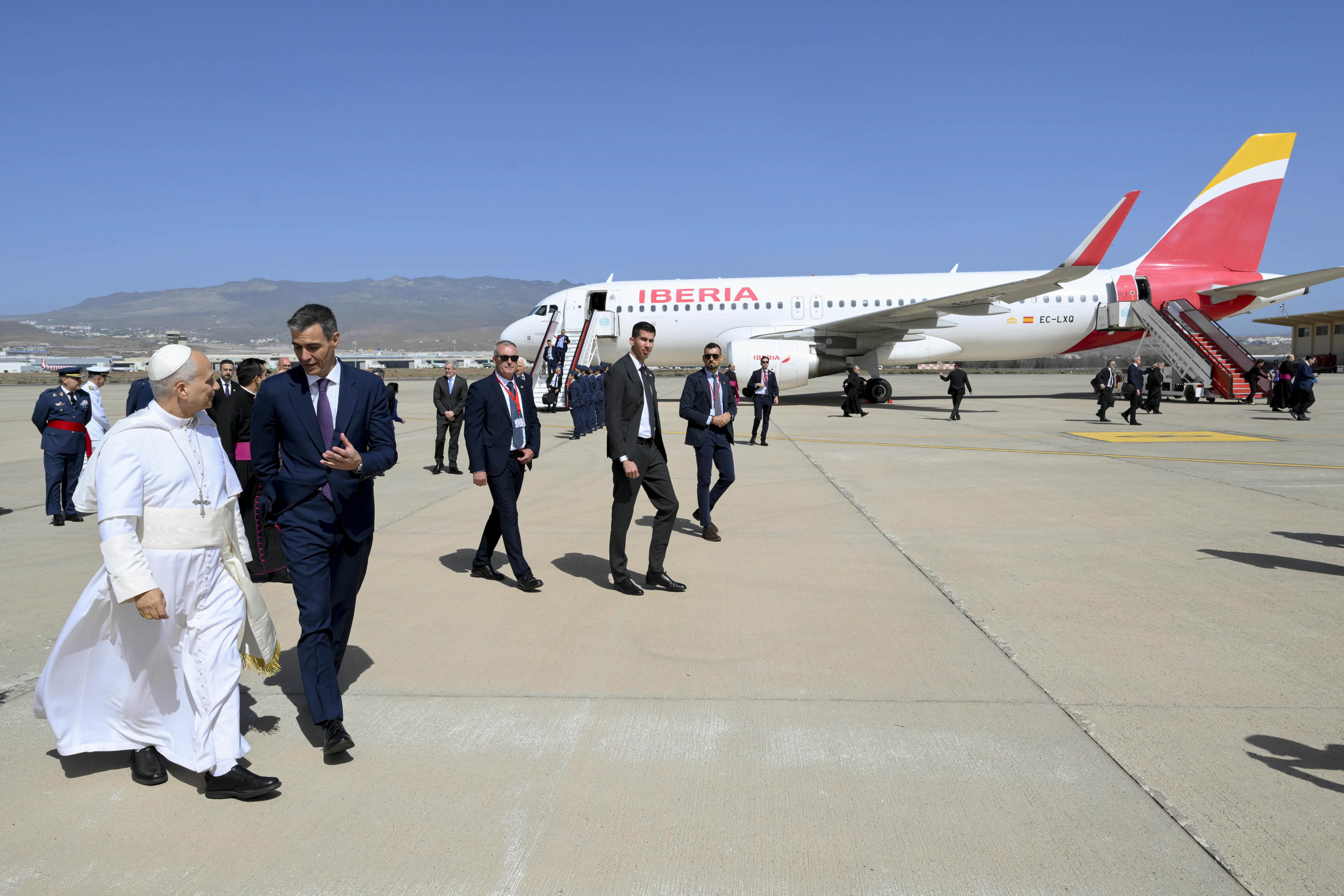
Pope Leo XIV arrives in the Grand Canary Islands, June 11, 2026. | Credit: Vatican Media
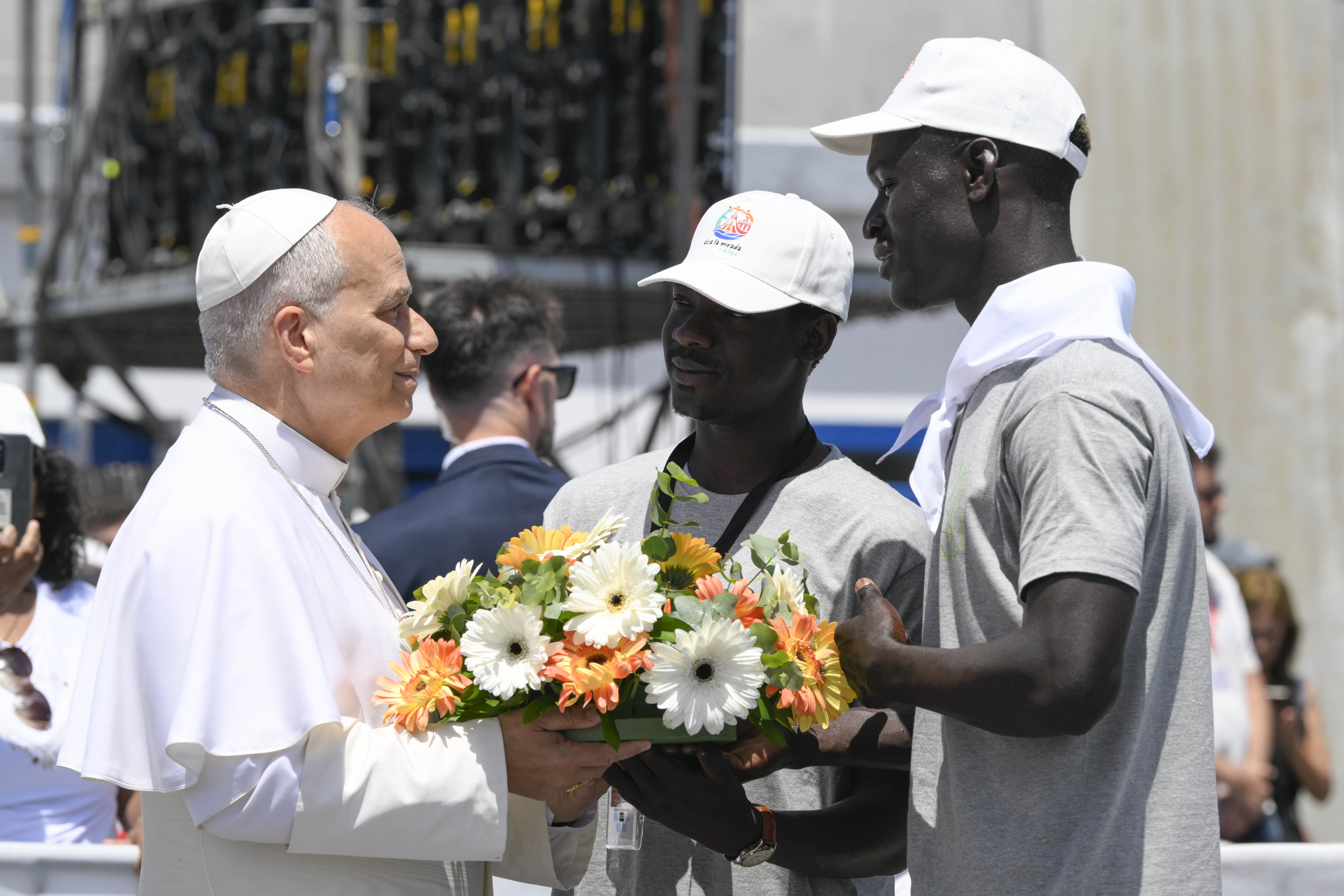
Pope Leo XIV meets with members of humanitarian groups working with migrants in Spain’s Grand Canary Islands, June 11, 2026. | Credit: Vatican Media
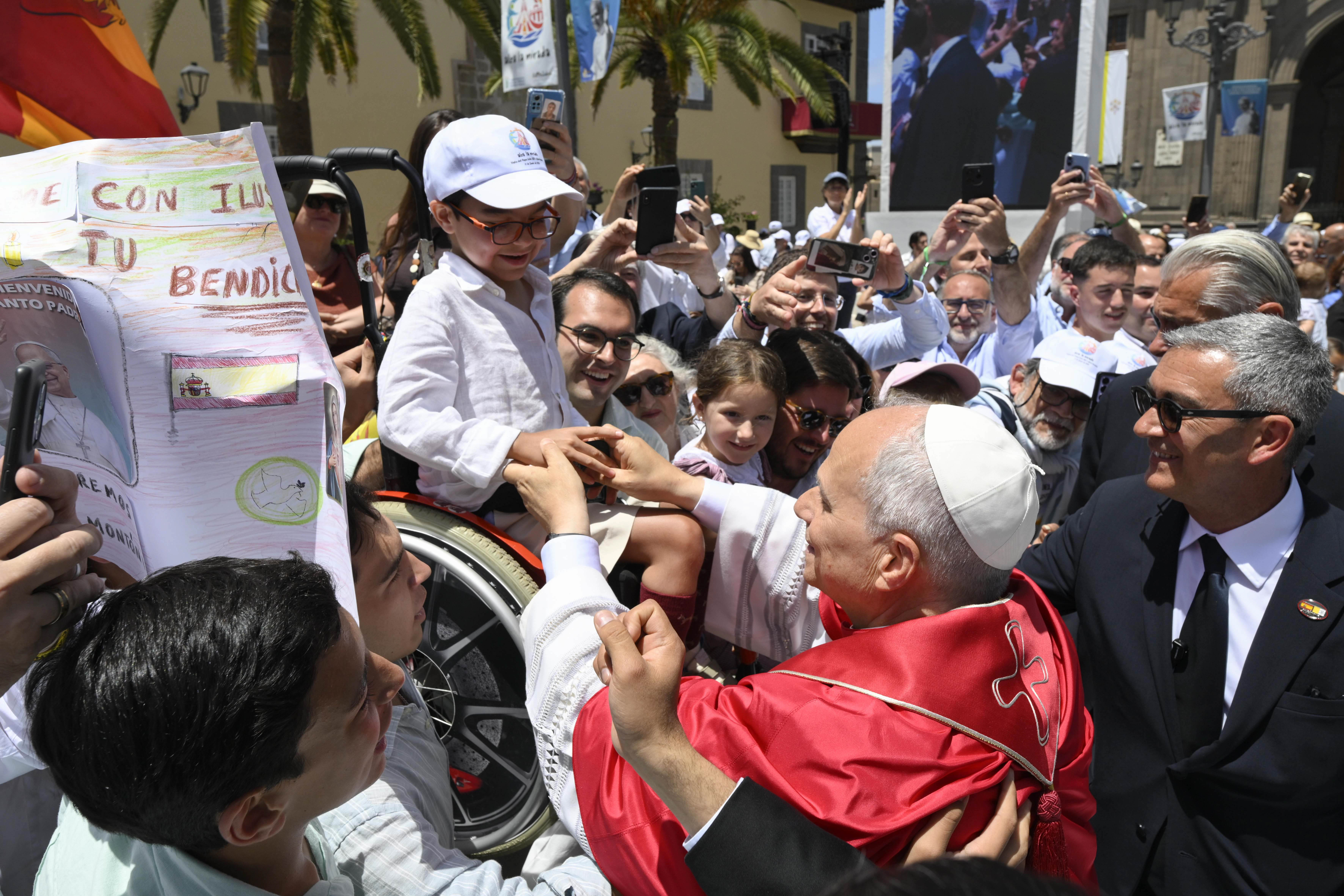
Pope Leo XIV greets a boy in a wheelchair in Las Palmas, Gran Canaria, Spain, June 11, 2026. | Credit: Vatican Media
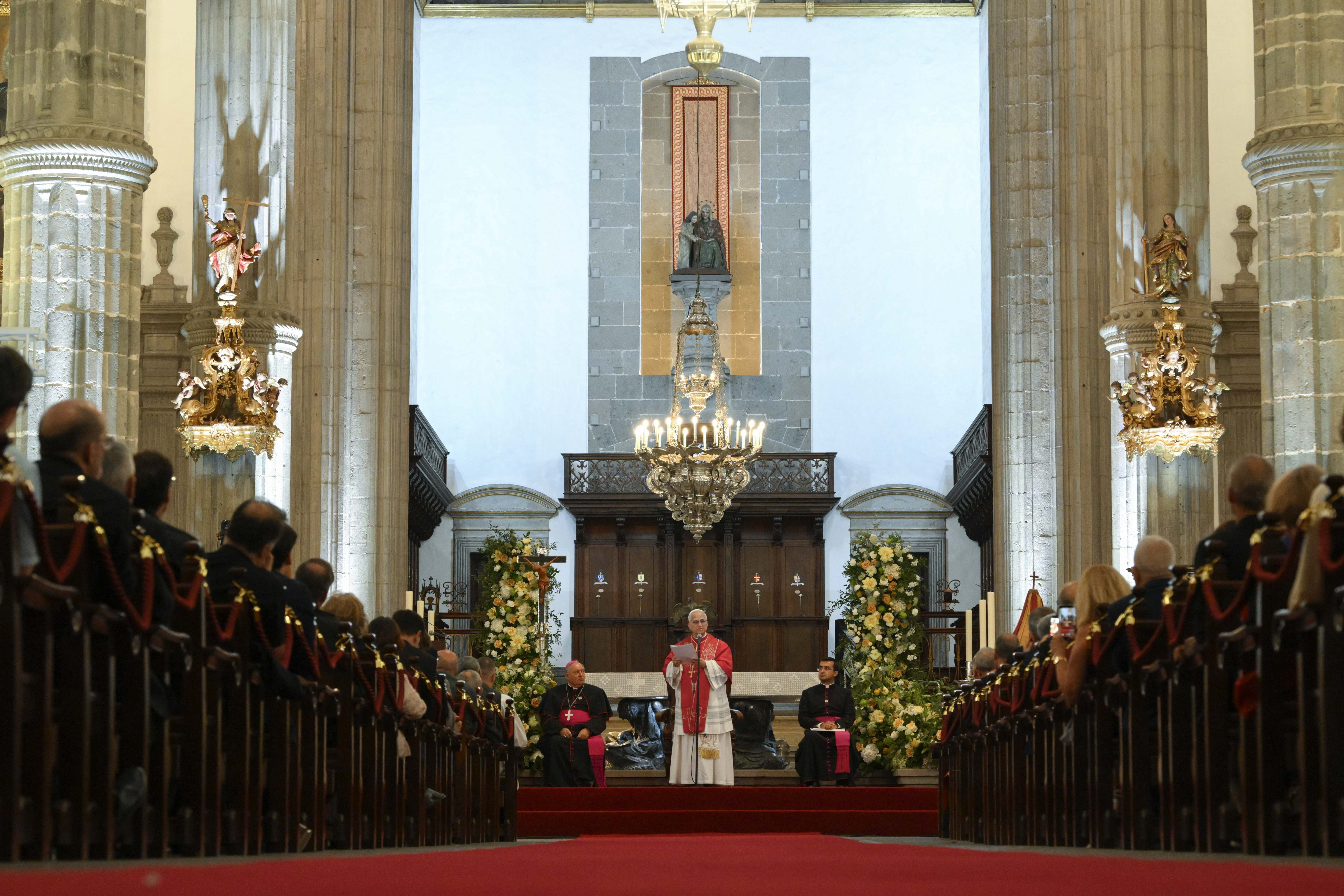
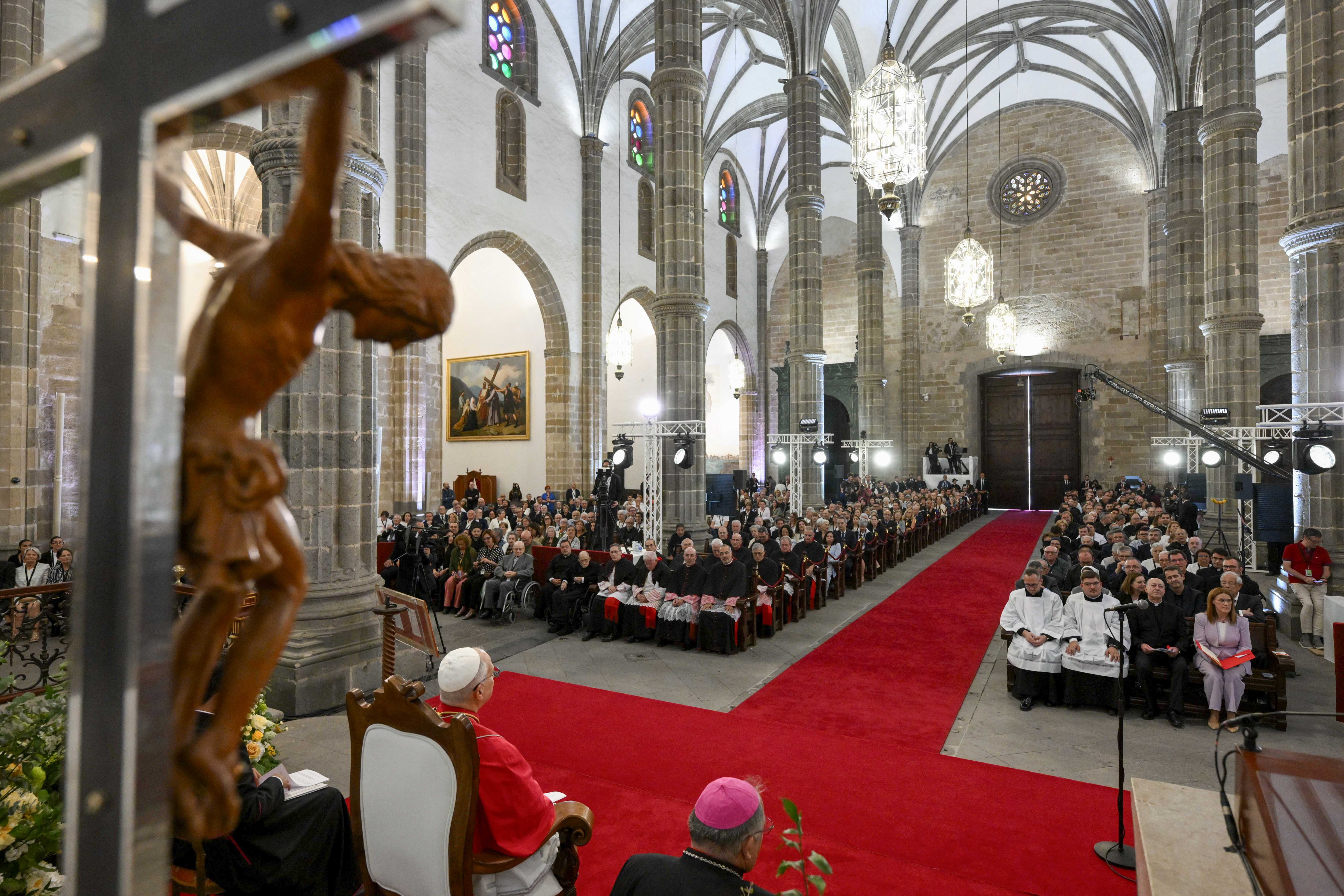
Pope Leo XIV meets with Catholics and religious leaders at the Cathedral of St. Anne in Las Palmas, Gran Canaria, Spain, June 11, 2026. | Credit: Vatican Media
Pope Leo XIV meets with Catholics and religious leaders at the Cathedral of St. Anne in Las Palmas, Gran Canaria, Spain, June 11, 2026. | Credit: Vatican Media
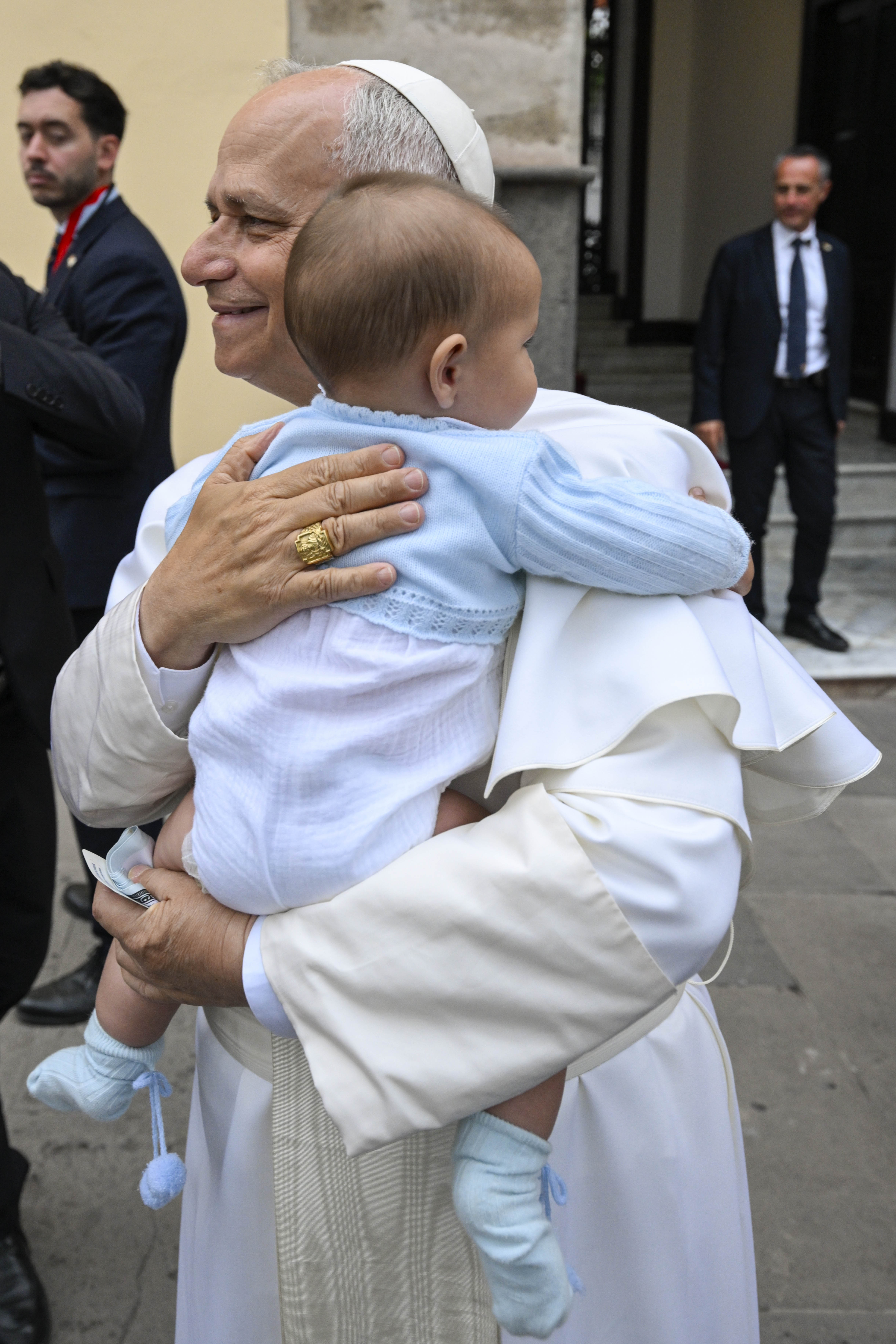
Pope Leo XIV holds a baby in Gran Canaria, June 12, 2026. | Credit: Vatican Media
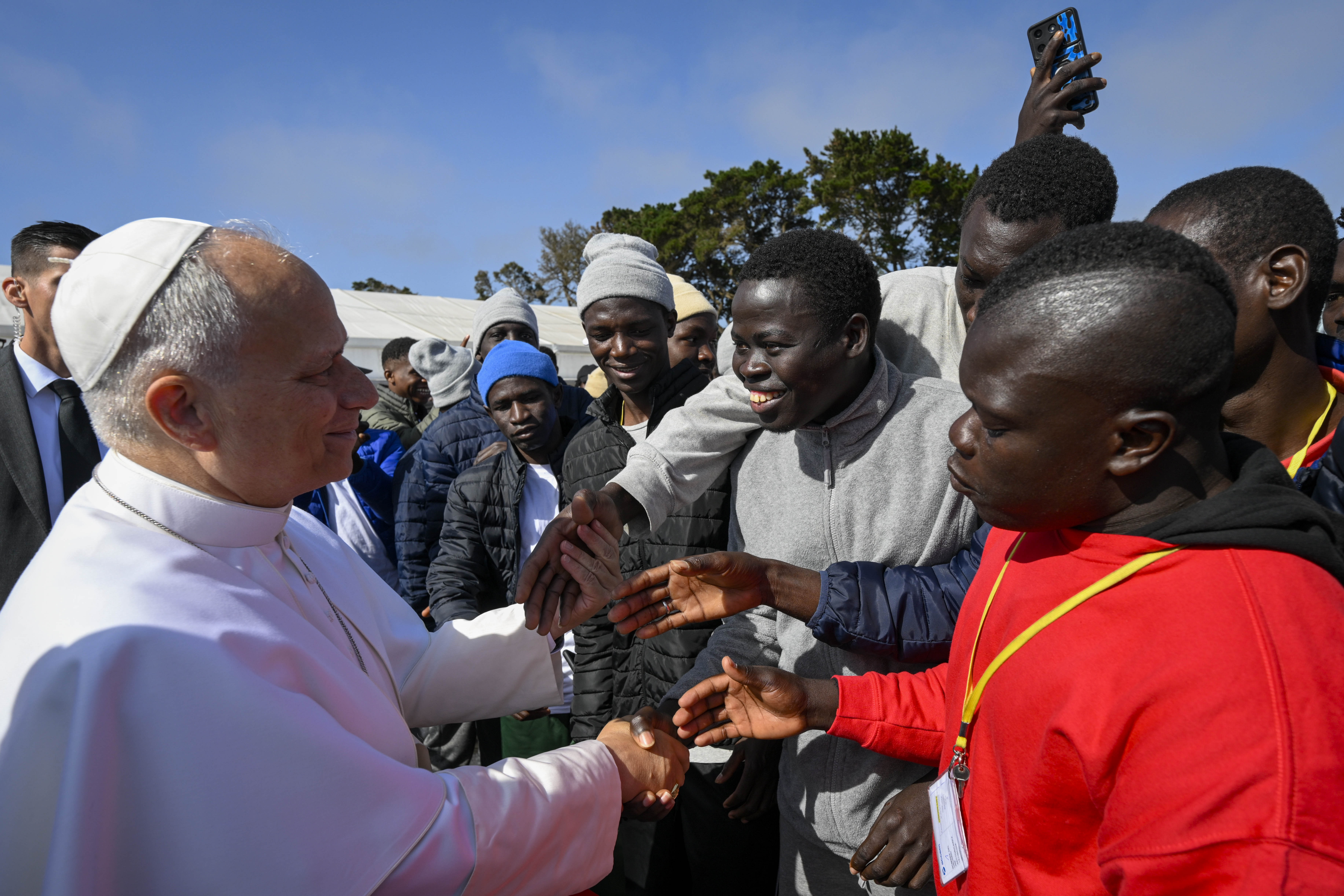
Pope Leo XIV meets with migrants in the Plaza del Cristo de La Laguna, Tenerife, June 12, 2026. | Credit: Vatican Media
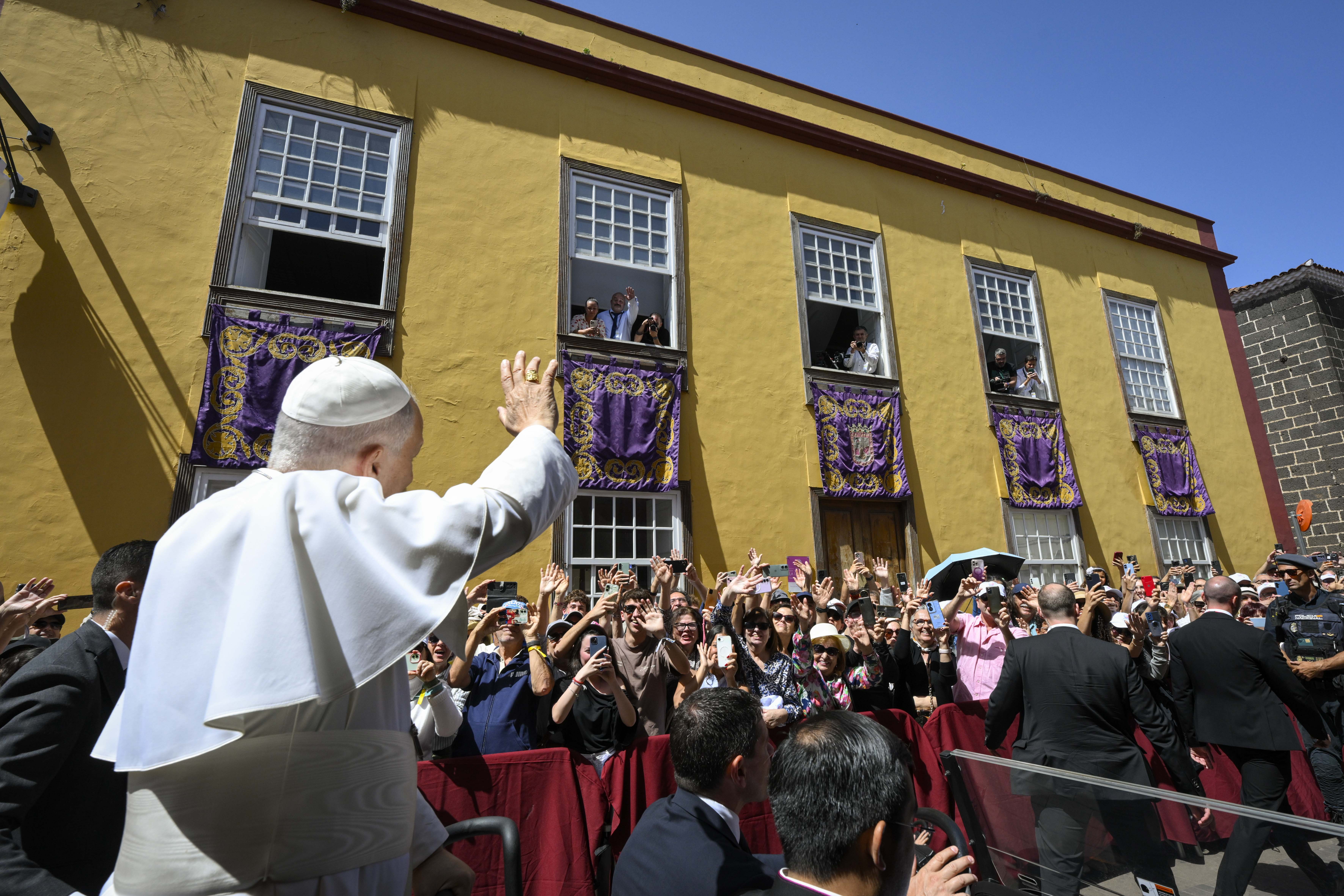
Pope Leo XIV waves at crowds during a meeting with organizations that assist with migrant integration, at the Plaza del Cristo de La Laguna, Tenerife, June 12, 2026. | Credit: Vatican Media
Pope Leo XIV waves to crowds before Mass at the Port of Santa Cruz in Tenerife, June 12, 2026. | Credit: Vatican Media
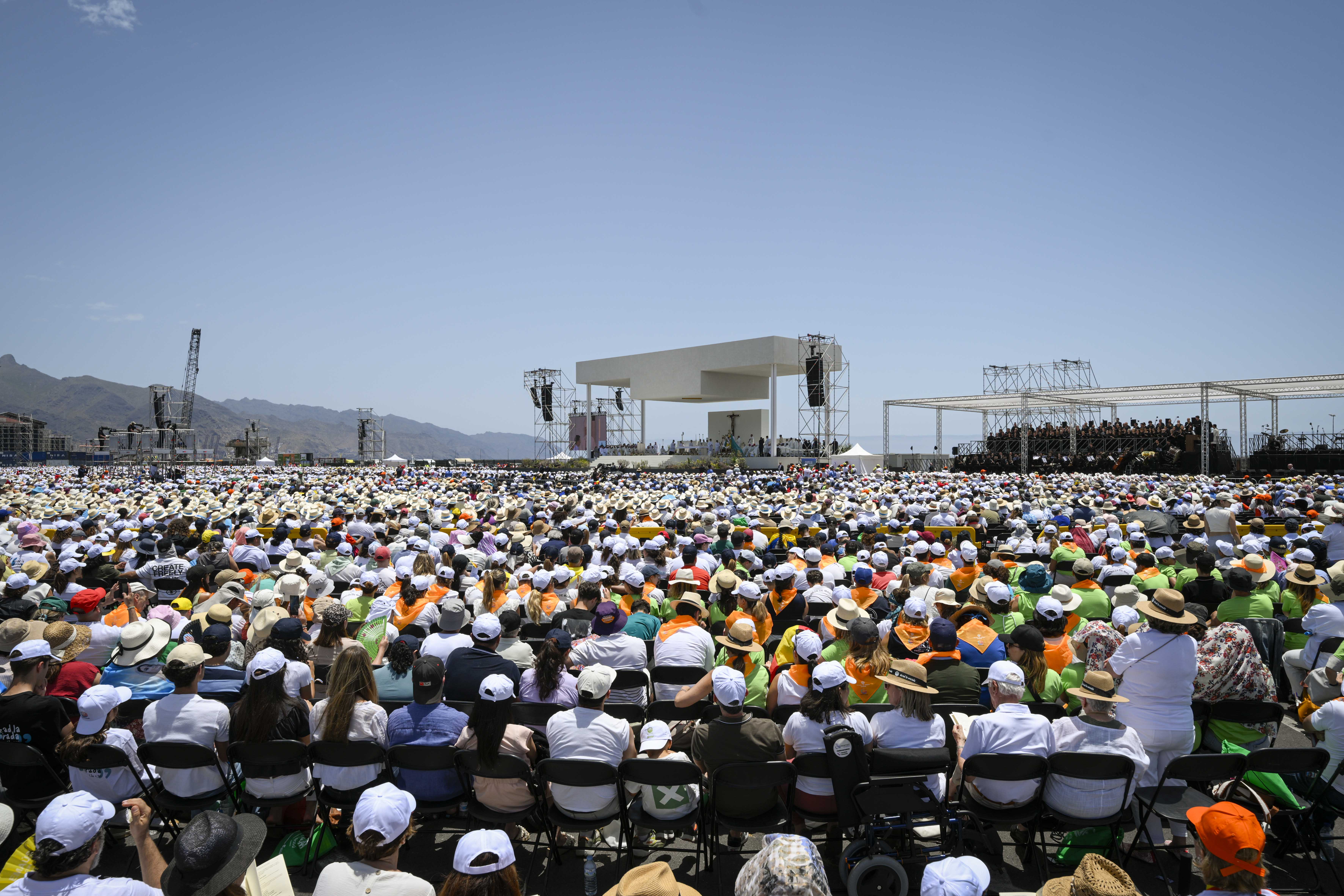
Thousands of Catholics gather for a papal Mass with Pope Leo XIV at the Port of Santa Cruz in Tenerife, June 12, 2026. | Credit: Vatican Media
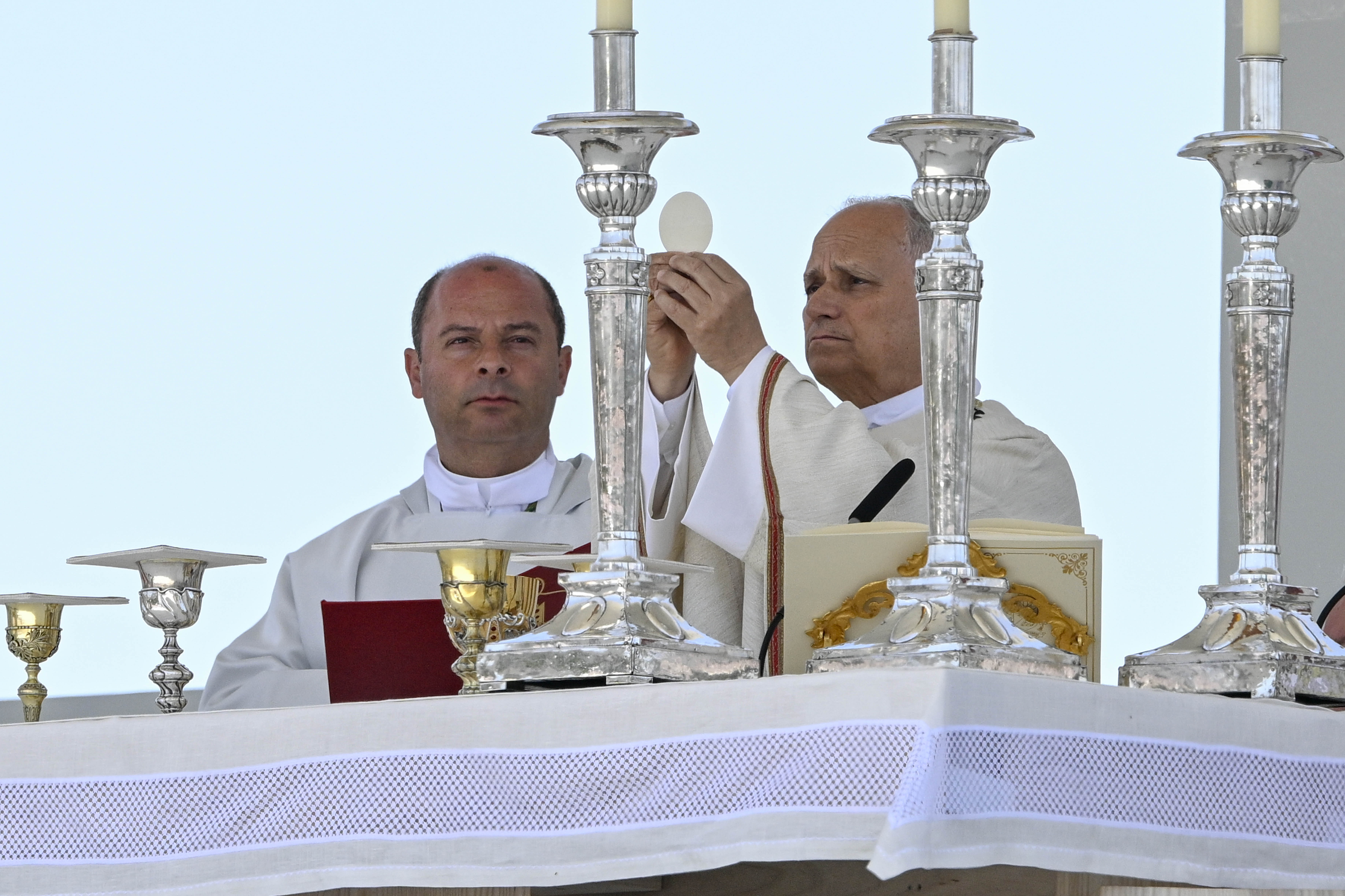
Pope Leo XIV elevates the Eucharist during Mass at the Port of Santa Cruz in Tenerife, June 12, 2026. | Credit: Vatican Media
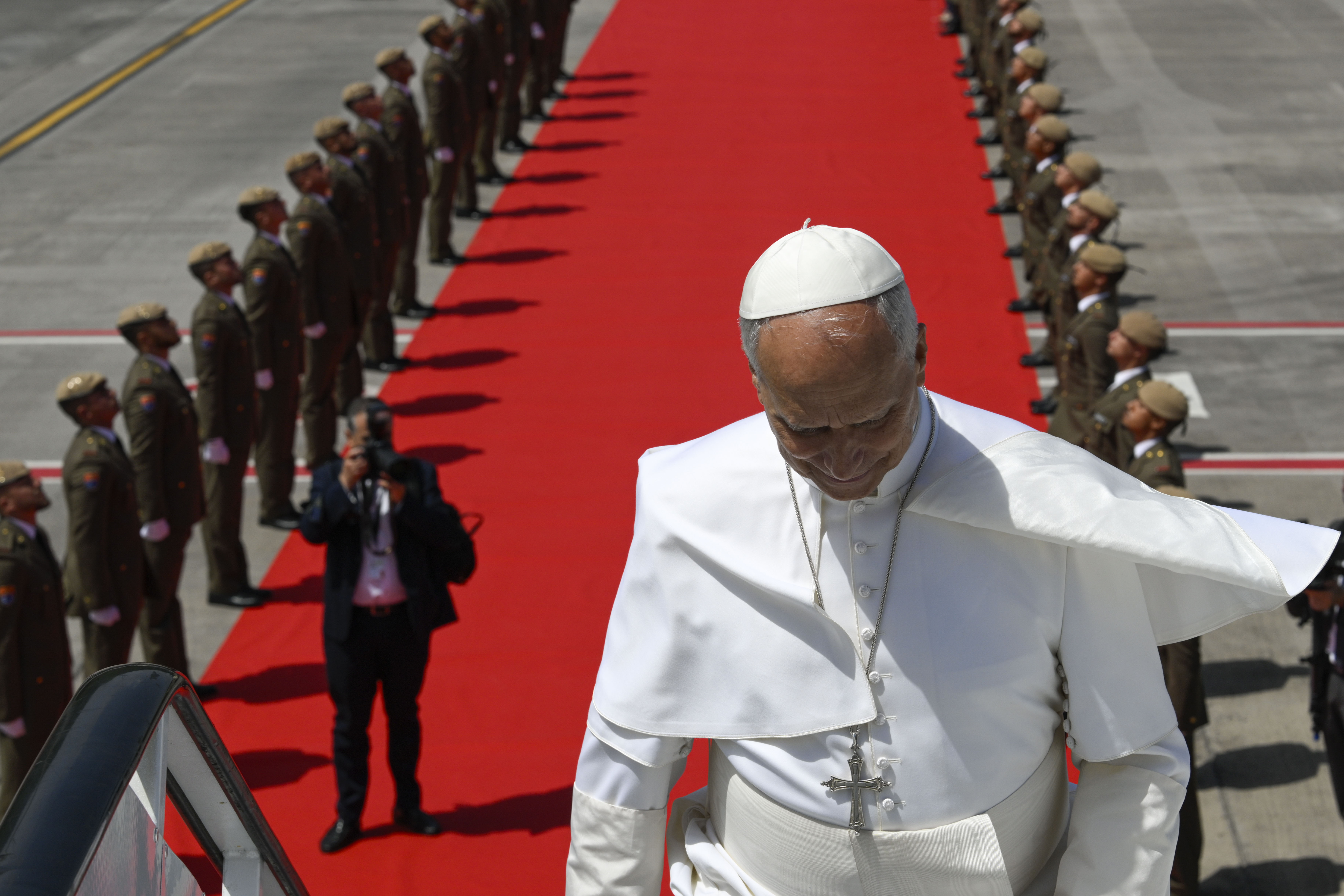
Pope Leo XIV boards the papal airplane at Tenerife International Airport, June 12, 2026. | Credit: Vatican Media
Pope Leo XIV leaves the plane he was to take back to Rome on June 12, 2026, from Tenerife, Spain. A malfunction on the plane forced the Holy Father to depart the aircraft unexpectedly. | Credit: Vatican Media
Pope Leo XIV boards the king of Spain’s airplane on June 12, 2026, in Tenerife, Spain. | Credit: Daniel Ibañez/EWTN News
If you value the news and views Catholic World Report provides, please consider donating to support our efforts. Your contribution will help us continue to make CWR available to all readers worldwide for free, without a subscription. Thank you for your generosity!
Click here for more information on donating to CWR. Click here to sign up for our newsletter.
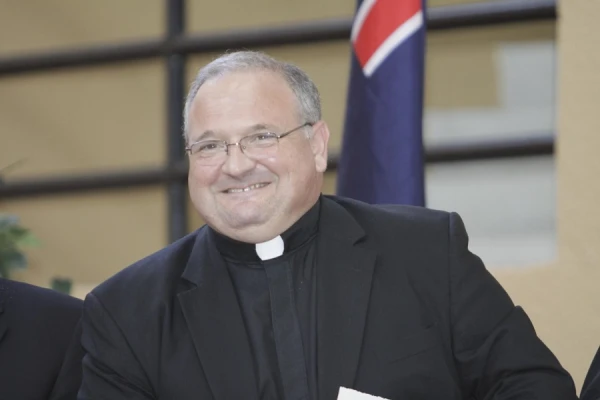
Vatican City, May 15, 2019 / 04:03 am (CNA).- Pope Francis Wednesday appointed Bishop Peter Baldacchino to head the Diocese of Las Cruces, New Mexico – making him the first diocesan bishop associated with the Neocatechumenal Way to serve in a mainland U.S. diocese.
Baldacchino, 58, has been an auxiliary bishop of Miami, Florida, since 2014. He was ordained a priest for the Archdiocese of Newark in 1996.
As a seminarian in Newark, Baldacchino studied at the Immaculate Conception Seminary at Seton Hall University but lived at the Redemptoris Mater Archdiocesan Missionary Seminary.
Baldacchino’s formation was in part guided by the Neocatechumenal Way, a post-baptismal itinerary of Christian formation first approved by Pope Paul VI and supported by each of the subsequent popes.
Seminarians who discern their vocation while involved with the Neocatechumenal Way are encouraged to place special emphasis on the universal missionary character of the priesthood and offer themselves, at the discretion of their local bishop, in service to the New Evangelization anywhere in the world.
Baldacchino is the first graduate of a Redemptoris Mater seminary to serve as a diocesan bishop in a mainland U.S. diocese.
He was born on the European island country of Malta, to a family of four children. His family joined the Neocatechumenal Way while he was a child, but he was not initially drawn to the priesthood.
After studying science and chemistry at the University of Malta, he began working as a technical manager at a bottling plant. At age 28 he attended the 1989 World Youth Day in Santiago de Compostela, Spain, after which he became more involved in the Neocatechumenal Way.
Through the movement he was sent on mission, during which he started to feel called to the priesthood, eventually being matched with the Redemptoris Mater seminary in Newark. He was ordained a priest for the Archdiocese of Newark on May 25, 1996.
Baldacchino served for over a decade as a missionary in the Turks and Caicos Islands in the Caribbean, and speaks Maltese, English, Italian, Creole, and Spanish.
The Diocese of Las Cruces was established in 1982. According to 2015 estimates, it has more than 236,600 Catholics, accounting for just over 42% of the area’s population.
Pope Leo XIV waves to pilgrims gathered for his Sunday Angelus in St. Peter’s Square at the Vatican on Sept. 14, 2025. / Credit: Vatican Media
Vatican City, Sep 18, 2025 / 10:08 am (CNA).
Pope Leo XIV, in his first interview since his election,… […]
1 Comment
The Holy Father is an ambassador of the Good News who preaches justice, peace, dignity, and solidarity. May God bless Pope Leo with strength and stamina.


 By
By 


The Holy Father is an ambassador of the Good News who preaches justice, peace, dignity, and solidarity. May God bless Pope Leo with strength and stamina.