No Picture
News Briefs

Calls for peace and justice ahead of Mexico’s general election
June 29, 2018 CNA Daily News 1

Mexico City, Mexico, Jun 29, 2018 / 05:17 pm (ACI Prensa).- Various civil organizations in Mexico, including one dedicated to the philosophy of St. Thomas More, have urged politicians participating in the upcoming general election to re-establish peace and justice in the country.

By signing of the “Pact for Peace,” the organizations stressed that “We educational, social, political and governmental actors must all be united  in order to strengthen the essential conditions for peace: the promotion of ethical, human and social values of respect and peaceful coexistence. The prevention of violence, drugs and crime. Social dialogue and conciliation.”

The signatories include National Parents Union, the Mexican Commission for Human Rights, the Citizen Coordinator, the Fundación Tomás Moro, and the Citizen Council for Public Safety and Criminal Justice.

Mexico’s July 1 general election will determine the country’s president as well as all of the members of the federal legislature. Many regional and local positions will also be voted on.

The Mexican civil organizations also expressed their rejection of campaign promises such as the creation of an “armed civilian guard.”

The signers encouraged “the Armed Forces to remain as long as necessary (performing) domestic security duties to protect citizens,” and at the same time they called for “the prohibition and dissolution of self-defense groups” and “the dismantling of armed organized crime gangs.”

They also asked the winners of the July 1 electoral contest to establish as public policy in the different levels of the government a substantial improvement in “care and assistance for crime victims and their families who are demanding justice and solidarity.”

“We social organizations that are fighting for peace demand from the political actors the commitment to create a social and political climate of peace and to resolve their conflicts without creating chaos, making threats, or encouraging acts of vengeance.”

The civil organizations also urged the authorities who are elected to work with “transparency” against corruption and that they provide “justice against impunity.”

“We ask the president of Mexico to report quarterly to the National Public Safety Council and to make the information public so society can evaluate the results in abating impunity, crime and vioence. And that the Council report on the performance of the public prosecutors, criminal judges and magistrates,” they said.

They then encouraged that there be order in the prisons and at the same time neither “hatred nor amnesty.”

“We urge that the prisons be put in order so they are not schools of criminality, that sentences be served with social work and that their assimilation back into society be effective with the participation of social organizations,” they stated.

The Pact for Peace concluded by urging candidates to accept the results of the July 1 elections and “in the case of disagreements,” that they turn to the board of elections and the other legally competent authorities.

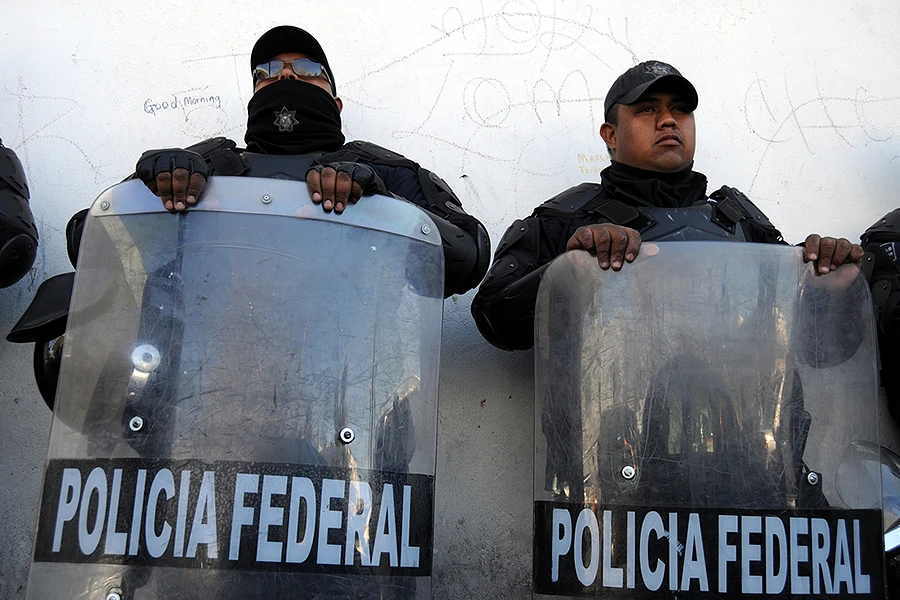
More than 100 politicians have been killed across Mexico ahead of the general election.

On June 21, Ocampo mayoral candidate Fernando Ángeles Juárez was killed by unknown gunmen, the BBC reported. When federal forces arrived to investigate the killing, they were stopped by local police. The entire local police force of the city in Michoacan state has since been detained.


This article was originally published by our sister agency, ACI Prensa. It has been translated and adapted by CNA.

[…]

No Picture
News Briefs

Masked, armed men attack chancery in Nicaragua

June 28, 2018 CNA Daily News 1

Matagalpa, Nicaragua, Jun 28, 2018 / 03:22 pm (ACI Prensa).- The pastoral center of the Diocese of Matagalpa in central Nicaragua, whose bishop is currently in Rome to inform the pope of the situation in his country, was attacked by men armed with machetes on Tuesday.

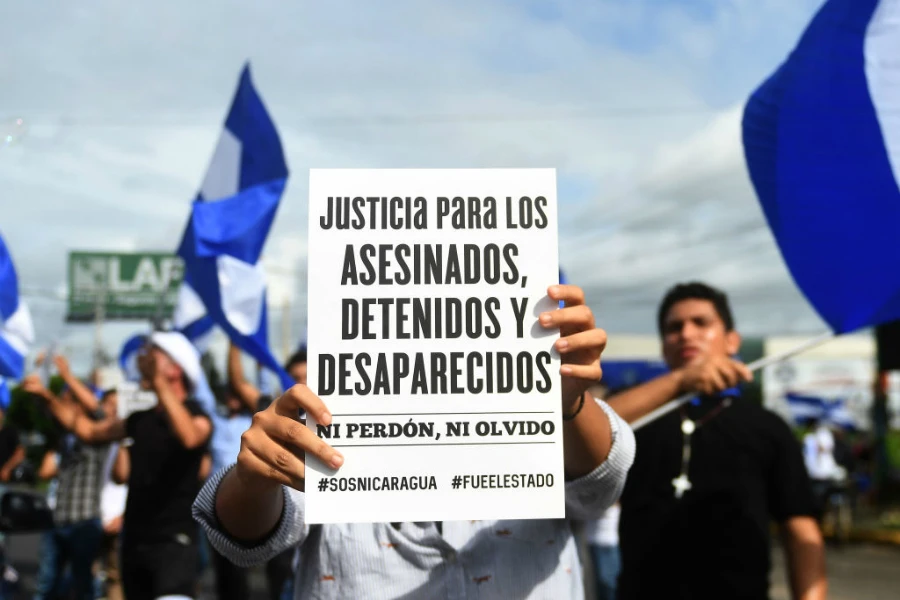
Two months of protests against Nicaraguan president Daniel Ortega have resulted in more than 200 deaths.

The priests of the Matagalpa diocese stated that around noon on June 26 “our Charterhouse Diocesan Pastoral Center was raided by a group of masked men armed with machetes.”

The priests indicated that the assailants “stormed into the center,” took away valuables, and damaged the furniture and the infrastructure. They also threatened the guard.

The priests expressed their sadness “for this desecration of a sacred place dedicated to evangelization and spirituality.” They also condemned the lack of respect for members of the Church and its goods.

“This shameful act is an affront to the person of our pastor Bishop Rolando Álvarez who is on his consultative trip to Rome, and to our parishioners,” the priests said, asking the authorities to find those responsible.

The clergy of the Matagalpa diocese renewed their “urgent call for peace, the end of the violence, and we strongly support the strengthening of the national dialogue in order to come to and honor a national accord for peace and justice. Let’s keep our sanity and respect for others. Let us pray untiringly to the Lord.”

The country’s bishops have mediated on-again, off-again peace talks between the government and opposition groups, and were quick to acknowledge the protesters’ complaints. Bishops and priests across Nicaragua have worked to separate protesters and security forces, and have been threatened and shot.

Bishop Álvarez is currently in Rome together with Cardinal Leopoldo José Brenes Solorzano of Managua to brief Pope Francis on the state of affairs in Nicaragua.

He wrote on Twitter June 27 that “As soon as I arrived in Rome, I was informed of the lamentable events that took place at the Charterhouse Pastoral Center. They achieved their objective. Already I knew. This was obviously directed. This is the reality Nicaragua is going through.”


“Apenas he llegado a Roma, me informan los lamentables acontecimientos acontecidos en el Centro Pastoral de la Cartuja. Cumplieron su objetivo. Ya lo supe. Obviamente ésto fue dirigido. Esta es la realidad que vive Nicaragua”. Mons. Rolando José.

— Monseñor Rolando José Alvarez L. (@DiocesisdeMat) June 27, 2018


Bishop Álvarez has been outspoken in favor of the opposition; he exhorted Nicaraguans during his June 10 homily to join “the immense majority” of the population which is asking for an urgent change in the country since “Nicaragua can no longer tolerate this.”

He has also said, “We hope there would be a series of electoral reforms, structural changes to the electoral authority – free, just and transparent elections, international observation without conditions … Effectively the democratization of the country.”

Fr. Vicente Martínez Bermúdez, a priest of the Diocese of Matagalpa, has reported that over the weekend he was detained by a group of 20 hooded men and threatened with death. Another priest of the Matagalpa diocese was wounded by shrapnel May 15 while trying to separate protesters and security forces, the AP reported.

Protests began April 18 after Ortega announced social security and pension reforms. The changes were soon abandoned in the face of widespread, vocal opposition, but protests only intensified after more than 40 protestors were killed by security forces initially.

Barricades and roadblocks are now found throughout the country, and clashes frequently turn lethal.

Peace talks resumed June 25 under the Church’s mediation.

But the day prior, the Nicaraguan Center for Human Rights charged that Matagalpa, as well as Diriamba, Managua, Masaya, Nagarote, and Tipitapa were attacked by “combined forces” made up of regular police, riot police, paramilitaries, and pro-government vigilantes.

The Nicaraguan government has suggested that protestors are killing their own supporters so as to destabilize Ortega’s administration.

The pension reforms which triggered the unrest were modest, but protests quickly turned to Ortega’s authoritarian bent.

Ortega has shown resistance to calls for elections, which are not scheduled until 2021, to be held early.

Ortega has been president of Nicaragua since 2007, and oversaw the abolition of presidential term limits in 2014.

He was a leader in the Sandinista National Liberation Front, which had ousted the Somoza dictatorship in 1979 and fought US-backed right-wing counterrevolutionaries during the 1980s. Ortega was also leader of Nicaragua from 1979 to 1990.


This article was originally published by our sister agency, ACI Prensa. It has been translated and adapted by CNA.

[…]

No Picture
News Briefs

In Rome, Nicaraguan bishops will inform pope of worsening crisis

June 27, 2018 CNA Daily News 0

Managua, Nicaragua, Jun 27, 2018 / 06:01 am (ACI Prensa).- As the situation in Nicaragua continues to deteriorate, two of the country’s bishops are travelling to Rome, where they will brief Pope Francis on the state of affairs in their nation.

Cardinal Leopoldo José Brenes Solorzano of Managua and Bishop Rolando José Álvarez Lagos of Matagalpa will “inform the Holy Father of the pain and suffering  we Nicaraguans are going through and the impetus we have given to the dialogue we are participating in at the request of the government and with the trust and support of the people,” read a statement of the Nicaraguan bishops’ conference.

Cardinal Brenes is going to Rome to participate in the June 29 consistory of cardinals.

The Nicaraguan bishops expressed to the people their “closeness and accompaniment especially in this painful time” in their statement.

They asked the faithful to accompany Cardinal Brenes and Bishop Álvarez with their prayers and also requested the intercession of the Virgin Mary.

Two months of protests against Nicaraguan president Daniel Ortega have resulted in more than 200 deaths. The country’s bishops have mediated on-again, off-again peace talks between the government and opposition groups.

Protests began April 18 after Ortega announced social security and pension reforms. The changes were soon abandoned in the face of widespread, vocal opposition, but protests only intensified after more than 40 protestors were killed by security forces initially.

The Church in Nicaragua was quick to acknowledge the protestors’ complaints. Barricades and roadblocks are now found throughout the country, and clashes frequently turn lethal.

Peace talks resumed June 25 under the Church’s mediation.

But the day prior, the Nicaraguan Center for Human Rights charged that Diriamba, Managua, Masaya, Matagalpa, Nagarote, and Tipitapa were attacked June 24 by “combined forces” made up of regular  police, riot police, paramilitaries, and pro-government vigilantes.

It was reported that two people died in Managua and one in Tipitapa. In Nagarote four were reported injured.

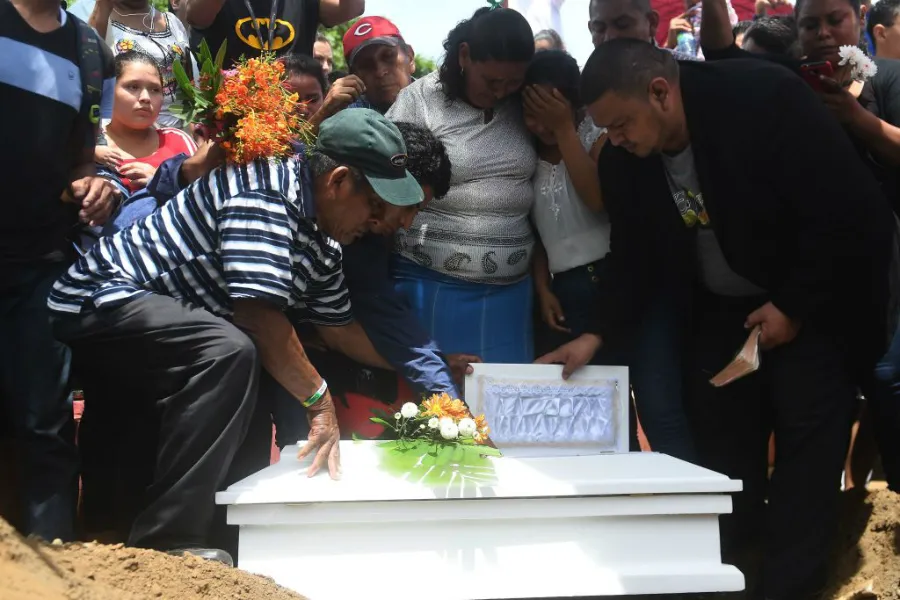
Four people, including an 15-month-old infant, were killed in Managua June 23 when security forces fired on protesters at the National Autonomous University of Nicaragua , according to activists.

Karina Navarrete, the mother of Teiler Lorio Navarrete, said she saw her son struck by a bullet fired by police while he was being taken to a babysitter. The government has denied her claim, and has blamed local criminals for the death.

On June 21 Cardinal Brenes, along with the  Auxiliary Bishop of  Managua, Silvio José Báez Ortega; and the Apostolic Nuncio, Archbishop Stanislaw Waldemar Sommertag went to Masaya to prevent further attacks against the population.

Bishops and priests across Nicaragua have worked to separate protestors and security forces, and have been threatened and shot.

Church-mediated peace talks had begun May 16 and were suspended May 23, and began again June 15 and were called off June 19. The latest round began June 25.

The Nicaraguan government has suggested that protestors are killing their own supporters so as to destabilize Ortega’s administration.

The pension reforms which triggered the unrest were modest, but protests quickly turned to Ortega’s authoritarian bent.

Ortega has shown resistance to calls for elections, which are not scheduled until 2021, to be held early.

Ortega has been president of Nicaragua since 2007, and oversaw the abolition of presidential term limits in 2014.

He was a leader in the Sandinista National Liberation Front, which had ousted the Somoza dictatorship in 1979 and fought US-backed right-wing counterrevolutionaries during the 1980s. Ortega was also leader of Nicaragua from 1979 to 1990.


This article was originally published by our sister agency, ACI Prensa. It has been translated and adapted by CNA.

[…]

No Picture
News Briefs

‘Not one more death’ – Nicaraguan bishops appeal for peace

June 22, 2018 CNA Daily News 1

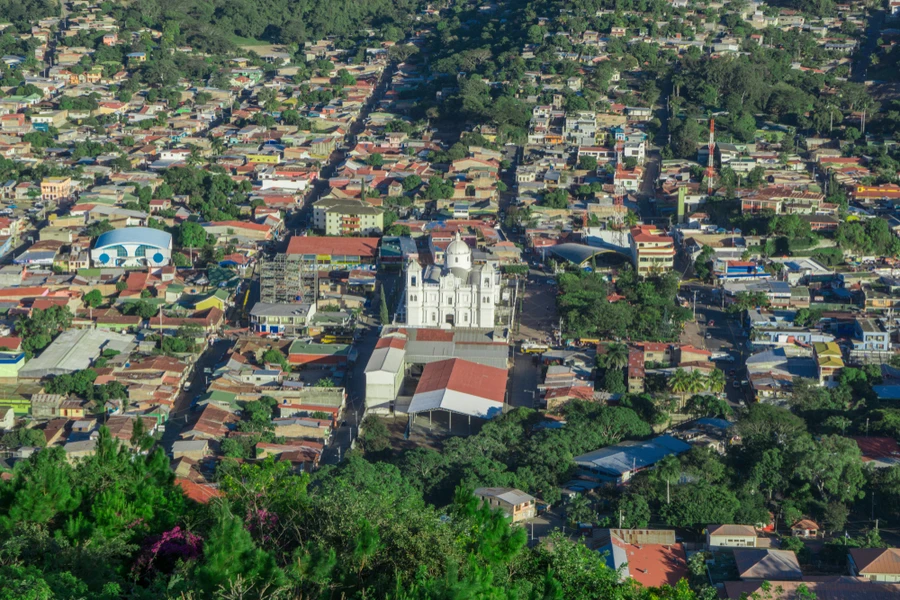
Masaya, Nicaragua, Jun 22, 2018 / 04:00 pm (CNA).- Amid continued unrest in Nicaragua, Church leaders traveled to the city of Masaya Thursday to pray and appeal for peace.

Protests began April 18 after Nicaraguan President Daniel Ortega announced social security and pension reforms. The changes were soon abandoned in the face of widespread, vocal opposition, but protests only intensified after more than 40 protestors were killed by security forces initially.

More than 200 in the country have been killed in the violence, according to estimates.

On June 19, government-linked paramilitary groups entered Masaya, clashing with protesters. Six people were killed and 35 wounded. Masaya is one of the cities in the west of the country which has shown resistance to the paramilitaries and pushed for Ortega to be removed from office.

With reports of government forces surrounding Masaya again on Thursday, Cardinal Leopoldo José Brenes, Bishop Silvio José Báez and Apostolic Nuncio Archbishop Stanislaw Waldemar Sommertag traveled to the city in hopes of mediating the situation there and calling for an end to the violence.

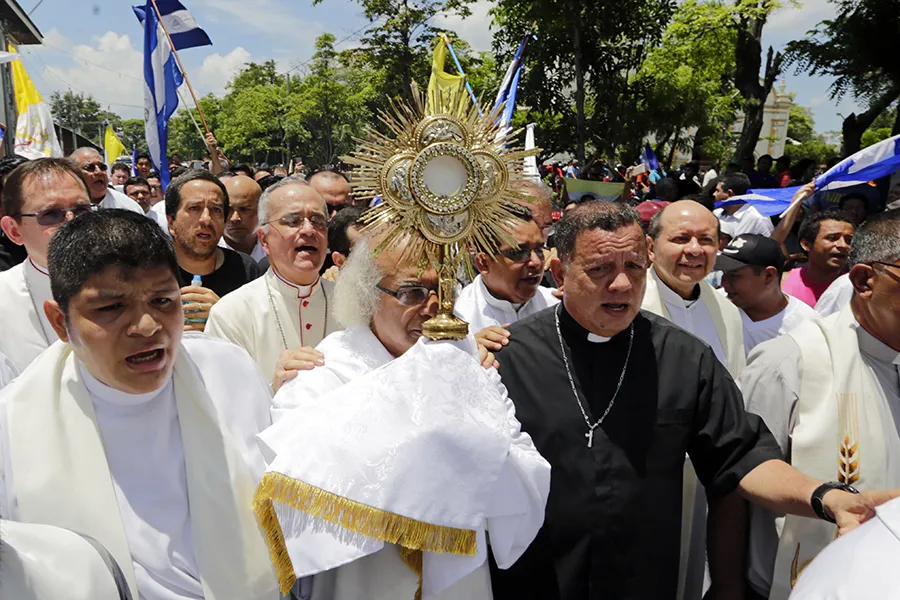
Bishop Báez, who was born in Masaya, led a procession with the Blessed Sacrament through the streets filled with hundreds of people, some crying and on their knees. When they arrived at San Sebastián church in the Monimbó neighborhood, he spoke to the crowds, voicing solidarity and grief.

The bishop called Masaya a “martyred” city and compared it to “Jesus crucified,” according to the Managua archdiocese’s Facebook page. He said that like Jesus, the city will rise again.

Bishop Báez said that as they were walking through the city streets, he heard cries for justice but reminded the people that justice is not vengeance.

“Here at the church of San Sebastián I want to remind [everyone] of one of the commandments of God: ‘Thou shalt not kill’.”

The bishop then appealed to “those who came to the city to kill… not one more death in Masaya.”

Archbishop Sommertag echoed the call for peace.

“We cannot respond to violence with…more violence, because remember that any death here is an outrage to God, that is why you have to become aware, it’s a call to everyone to be responsible for your actions small or great.”

In a follow-up to the day’s events, the Archdiocese of Managua posted on Facebook that Cardinal Brenes spoke for an hour with the police commissioner, who “committed to stop the attacks.”

The cardinal and the nuncio asked for the release of all those who had been arrested, presenting a list of detainees, and the police commissioner agreed to release them.


This article was originally published by our sister agency, ACI Prensa. It has been translated and adapted by CNA.
 

[…]

No Picture
News Briefs

Church in Mexico releases security protocols to prevent crime

June 21, 2018 CNA Daily News 1

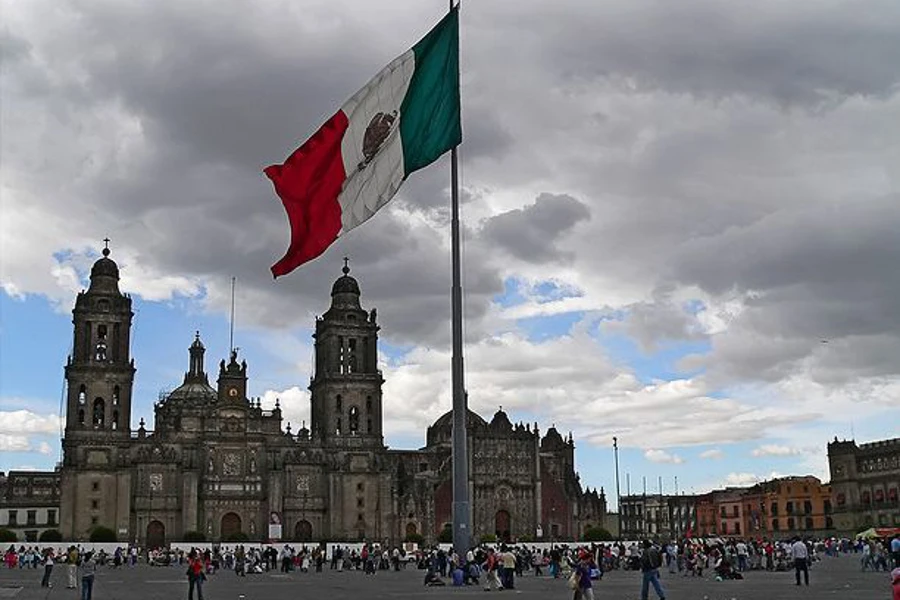
Mexico City, Mexico, Jun 21, 2018 / 04:14 pm (CNA/EWTN News).- As increased levels of violence in Mexico continue, the Mexican Bishops Conference has published a protocol guide to help prevent crimes against priests, religious and faithful in the country.

The protocols are not intended to hinder “the pastoral activity of bishops, nuns and lay people, but to [help them] do it in the safest possible way,” said Bishop Alfonso Miranda Guardiola, secretary general of the Mexican Bishops’ Conference.

The bishop spoke at a June 19 press conference unveiling the document, “Basic Church Security Protocols: Personnel and Religious Sites.”

The document offers safety processes in different situations, such as pastoral visits and Masses in outlying areas. It includes an inventory form for church-related equipment and items of value.

Advice includes details about how to handle travel, making a withdrawal from an ATM, and what to do if you are kidnapped, robbed, threatened, or extorted.

When traveling to an unfamiliar area, the document recommends doing a trial run to learn the way, and researching the safest times to go out.

Security measures are also proposed for churches, houses of religious communities and other sites.

Violence in Mexico, mainly organized crime, has intensified in recent years. It is estimated that 2017 was the most violent year in recent decades, with more than 25,000 homicides.

According to the Catholic Multimedia Center, 24 priests have been killed in the last six years, including four so far in 2018.

Bishop Miranda said that “the security protocols respond to what has happened in the last two, three years, where there have been more and more murders, not just of priests but also journalists, police officers, soldiers and also candidates…for public office.”

“If this protocol serves to prevents one more death, it will have been a success,” he said.

Fr. Rogelio Narváez Martinez, the executive secretary of the Bishops’ Committee on Social Ministry and director of Mexican Caritas, said that it is not only the deaths of priests and religious that worry the Church.

“What is concerning to us is the death of any Mexican, the death of any person, of someone who’s at the mall, or going to the church, who’s in a plaza, going in a car, or going with his family.”

“Every death is a wound upon our nation,” he said.

Archbishop Carlos Garfias Merlos of Morelia, who heads up the bishops’ Working Group on Justice, Peace and Reconciliation, said that while the protocols are designed to respond to violence, they can also be helpful in other emergency situations, such as natural disasters.

“We know there are some places in Mexico every year that due to natural phenomena such as hurricanes, earthquakes, tremors we find ourselves in emergency situations,” he said

Bishop Miranda said that there are no plans for “police or soldiers in the churches.”

He also clarified that “the protocols are proposals” and “not a law we’re putting on the Church.”

“These are measures suggested to the priests, bishops, etc. And also according to the capacity of every parish. Where it can be done, it is recommended that alarm systems be put in place. Where it’s not possible, at least there should be minimum security measures.”

In a June 19 statement, Fr. Omar Sotelo, director of the Catholic Multimedia Center, emphasized that the document published by the bishops “responds to the needs of what’s happening in our country.”

“It’s a security plan, a protocol which one way or another helps prevention,” he said.

For Fr. Sotelo, the violence in Mexico “has become widespread, more sophisticated and has touched important sectors of society.”

The director of the Catholic Multimedia Center said the document also “calls to the attention of the authorities that they have not done their work effectively.”

According to Fr. Sotelo, “some authorities, not all of them, have been corrupted or have been overrun by” organized crime.

He noted that addressing the underlying issue of organized crime is “very complicated.”

“It’s hard to change the mentality of thousands of people who unfortunately have become dehumanized and have resorted to organized crime to make their way in life.  To transform this kind of a situation it going to take a lot of work.”

However, recalling the Gospel admonition to love one’s enemies, he said that “we have to make a way to reach these people’s hearts.”

“Reaching out to these people is a process, an important element that we mustn’t neglect,” he said.


This article was originally published by our sister agency, ACI Prensa. It has been translated and adapted by CNA. 
 

[…]

No Picture
News Briefs

Chilean bishops establish ‘Listening Service’ to accompany abuse victims

June 20, 2018 CNA Daily News 2

Santiago, Chile, Jun 20, 2018 / 05:17 pm (CNA/EWTN News).- The Chilean bishops’ conference announced Tuesday the members of a “Listening Service” set up to welcome and guide victims of sexual abuse.

The list was published June 19 after Archbishop Scicluna of Malta and Msgr. Jordi Bertomeu, Pope Francis’ envoys for the Pastoral Mission to Osorno confirmed the creation of this service in order to facilitate the process for victims.

The members of the Listening Service belong to the National Council for the Prevention of Abuse and Accompaniment of the Victims of the Chilean bishops’ conference and will have as their mission “to welcome and guide” those people who could not meet with the papal envoys.

Appointed by Archbishop Scicluna, the members are Pilar Ramírez, the current coordinator of the council; Josefina Martínez; Sister Marcela Sáenz; Fr. Larry Yévenes; and Fr. David Albornoz.

“The members of the National Council who will perform this service will offer a point of contact victims can trust so they can feel supported in the process of the search for the truth with charity and justice,” the statement said.

Two local Churches in Chile also announced this week investigations into priests accused of sexual abuse.

The Diocese of Temuco made known in a June 18 statement the cases of three diocesan priests accused of the sexual abuse of minors.

Pablo Walter Isler Venegas was sanctioned October 20, 2015 for the sexual abuse of minors  and was prohibited from the public exercise of the priestly ministry and pastoral work with adolescents and young people.

He was also “definitively prohibited” from residing in that diocese or from visiting the parishes of Lautaro, Imperial, and Traiguén without the prior and express authorization  of the bishop.

The process began in 2011 when the first accusations were received.

Isler had left the Temuco diocese in 2003, “and was performing various pastoral works in the Prelature of Illapel.”

The diocese explained that  “at the express request of the victims who at the time asked for complete confidentiality, the case had not been made public.”

“From what we have learned over the years,  we realized that respect and protection for the victims in no case exempts us from the moral duty of informing the community of these grave crimes,” the statement says.

The second case involves Juan Carlos Mercado Elgueta who in 2013 submitted his resignation from the priestly ministry following a preliminary investigation for the sexual abuse of minors.

The third priest sanctioned is José Vicente Bastías Ñanco, who is facing a canonical trial for the sexual abuse of minors and who is “temporarily suspended from the public exercise of the ministry.”

The diocese’s statement  reiterated the “firm disposition” of Bishop Héctor Eduardo Vargas Bastidas “to take up the challenges Pope Francis has called for, by ensuring the Church has healthy and safe environments people can trust, for boys, girls and youths.”

And the Vicariate Apostolic of Aysén stated June 18 that it had begun a canonical investigation into Fr. Porfirio Díaz Reyes, accused of the sexual abuse of a minor.

The accusation was made to the Council for Care and Hope of the vicariate June 17 and refers to incidents that took place in the parish in Puerto Aysén in 2002.

As a precautionary measure, the priest “is suspended from the public exercise of the priestly ministry while the investigation lasts,” a statement from the Aysén vicariate apostolic stated.


This article was originally published by our sister agency, ACI Prensa. It has been translated and adapted by CNA.
[…]

No Picture
News Briefs

Ceasefire reached in Nicaragua crisis as Church-mediated talks resume

June 18, 2018 CNA Daily News 0

Managua, Nicaragua, Jun 18, 2018 / 05:02 pm (ACI Prensa).- The Nicaraguan government and opposition groups agreed Friday to a truce during talks mediated by the Nicaraguan bishops, after nearly two months of protests that have left 170 dead.

Nevertheless, at least eight people died in violent incidents across Managua, the Nicaraguan capital, the following day.

The bishops of Nicaragua reconvened a national dialogue June 15 to make known the response of president Daniel Ortega to the proposals he was given in order to end the crisis. The talks (which began May 16) had been suspended May 23 for lack of consensus.

A 24-hour general strike had closed many businesses June 14, though some violent clashes were reported. Bishop Silvio José Báez Ortega, Auxiliary Bishop of Managua, said a 15-year-old altar boy had been shot and killed by security forces.

Protests began April 18 after Ortega announced social security and pension reforms. The changes were soon abandoned in the face of widespread, vocal opposition, but protests only intensified after more than 40 protestors were killed by security forces initially.

The Church in Nicaragua was quick to acknowledge the protestors’ complaints. Barricades and roadblocks are now found throughout the country, and clashes frequently turn lethal.

Participating in the talks June 15 were representatives of the government, private businesses, students, universities, civil society, workers, rural residents, evangelical ecclesial communities, indigenous communities, and people of African descent. They were overseen by Cardinal Leopoldo José Brenes Solorzano of Managua.

The ceasefire agreement calls for the establishment of a truth commission, the presence of international observers from several groups, and the removal of roadblocks.

The truth and security commission is to “verify if an atmosphere of peace and security exists for all Nicaraguans,” according to a communique from the National Dialogue, and to investigate all deaths and violence, and to identify those responsible.

The commique added that “process of the the democratization of the country, which includes the agenda items presented to the President of the Republic by the Bishops’ Conference on June 7” will be among the conditions of continuing dialogue.

Their June 7 statement had said that dialogue could not resume while Nicaraguans continue to be denied the right to demonstrate freely and are “repressed and assassinated.”

Despite the signing of the ceasefire, a family of at least six died in an arson attack on their home and business in Managua June 16. Opposition groups have said a pro-government militia was responsible for the blaze, a charge the government has denied.

Two more people in Managua were killed the same day in incidents “attributed to masked pro-government groups backed up by armed police,” the BBC reported.

Bishops and priests across Nicaragua have worked to separate protestors and security forces, and have been threatened and shot.

The Nicaraguan government has suggested that protestors are killing their own supporters so as to destabilize Ortega’s administration.

The pension reforms which triggered the unrest were modest, but protests quickly turned to Ortega’s authoritarian bent.

Ortega has shown resistance to calls for elections to be held early. His term is scheduled to end in 2021.

Ortega has been president of Nicaragua since 2007, and oversaw the abolition of presidential term limits in 2014.

He was a leader in the Sandinista National Liberation Front, which had ousted the Somoza dictatorship in 1979 and fought US-backed right-wing counterrevolutionaries during the 1980s. Ortega was also leader of Nicaragua from 1979 to 1990.


This article was originally published by our sister agency, ACI Prensa. It has been translated and adapted by CNA.

[…]