

 By
By The outcome of the newly-ordained Father Martin Umeatuegbu’s case could set a precedent for other foreign-born priests from countries designated by the U.S. as “high risk.”
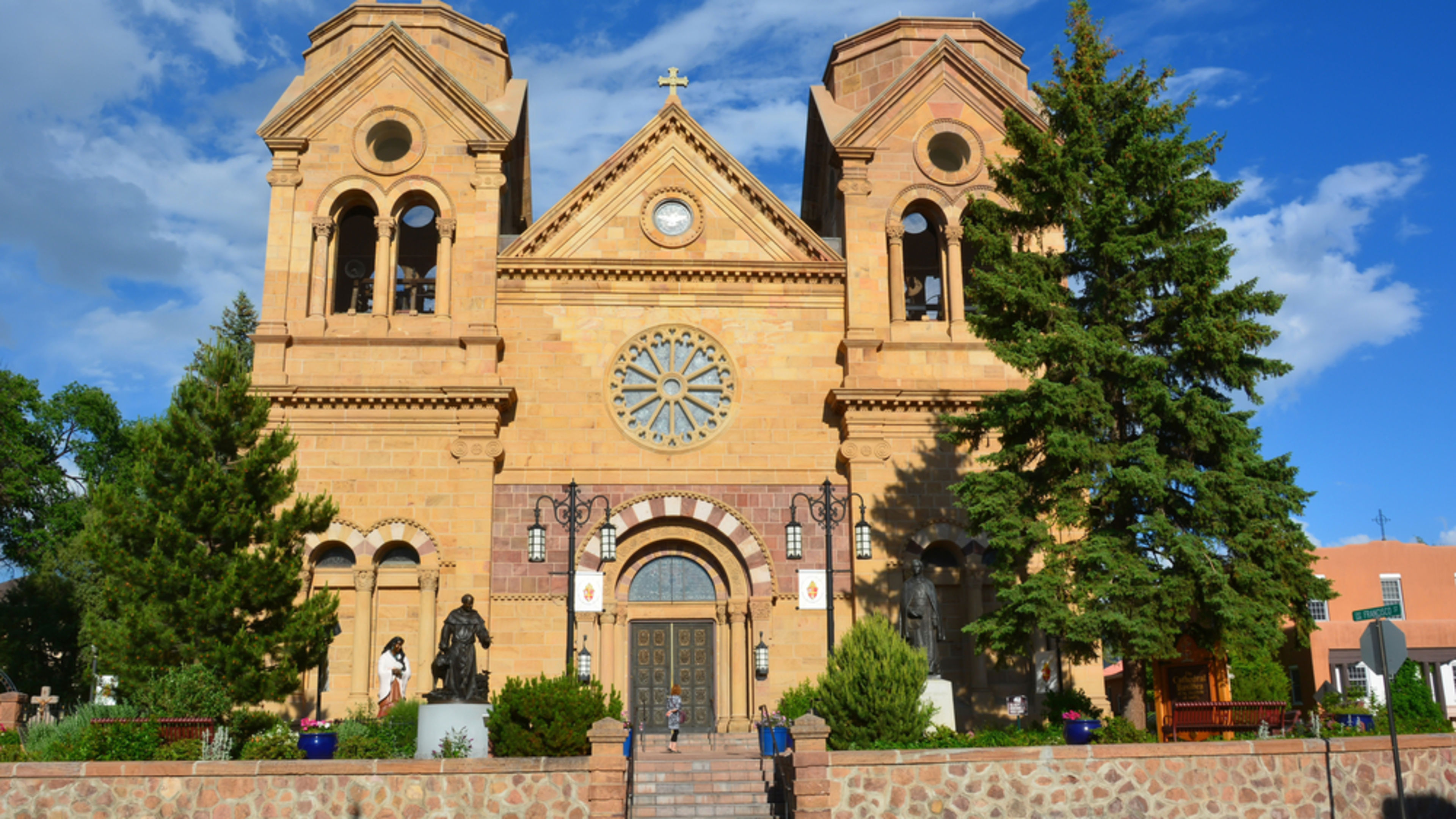
The U.S. District Court for the District of New Mexico issued a temporary restraining order staying the expiration of a Nigerian priest’s student visa while the archdiocese petitions to sponsor his R-1 religious worker visa.
The court’s June 4 decision to issue a temporary stay for Nigerian priest Father Martin Umeatuegbu’s student visa comes after the Trump administration issued proclamations placing a hold on all visa adjustment of status applications and restricting entry for all foreign nationals from “high-risk” countries, including Nigeria.
The 14‑day stay, granted in response to the archdiocese’s May 22 emergency request for a preliminary injunction and temporary restraining order, gives the Archdiocese of Santa Fe time to petition the U.S. government to upgrade Umeatuegbu’s student visa to an R‑1 religious worker visa, a five-year visa typically held by foreign-born priests while serving in the U.S. and applying for green card status.
The outcome of Umeatuegbu’s case could set a precedent for other foreign-born priests from countries designated by the U.S. as “high risk.”
Umeatuegbu’s visa was set to expire on June 4. The Archdiocese of Santa Fe had filed its petition to upgrade his visa to R-1 status on Dec. 31, 2025. Umeatuegbu was ordained to the priesthood on May 23 and has been assigned to St. Anne Parish in Santa Fe.
Umeatuegbu obtained a master of arts degree in theology from Mount Angel Abbey Seminary and was ordained to the diaconate on June 5, 2025, according to the seminary’s website.
The archdiocese did not return EWTN News’ request for comment.
U.S. District Judge Kenneth Gonzales wrote that “the archdiocese is likely to succeed on merits under the Religious Freedom Restoration Act” and said the policy of the U.S. Citizenship and Immigration Services “infringes on the archdiocese’s right to select its minister of choice.”
Gonzales said the U.S. government “is unlikely to demonstrate that the policy is the least restrictive means of furthering a compelling governmental interest,” especially since it has already lifted adjudicative holds on other categories of petitions.
If you value the news and views Catholic World Report provides, please consider donating to support our efforts. Your contribution will help us continue to make CWR available to all readers worldwide for free, without a subscription. Thank you for your generosity!
Click here for more information on donating to CWR. Click here to sign up for our newsletter.

Leave a Reply