

 By
By Researchers confirmed more than 2,000 square meters — around half an acre — of original 18th-century murals survive beneath later paint in the church at the heart of Vilnius University.

Hidden beneath layers of paint for more than 200 years, one of the largest surviving Baroque Christian painting programs in the Baltic region has emerged inside St. John’s Church at Vilnius University in Lithuania.
The church, formally named the Church of St. John the Baptist and St. John the Apostle and Evangelist, has yielded a discovery that is both archaeological and religious.
It reveals an almost untouched vision of Catholic worship from the 18th century and offers new evidence that Lithuania was an important center of Europe’s shared Christian artistic tradition.
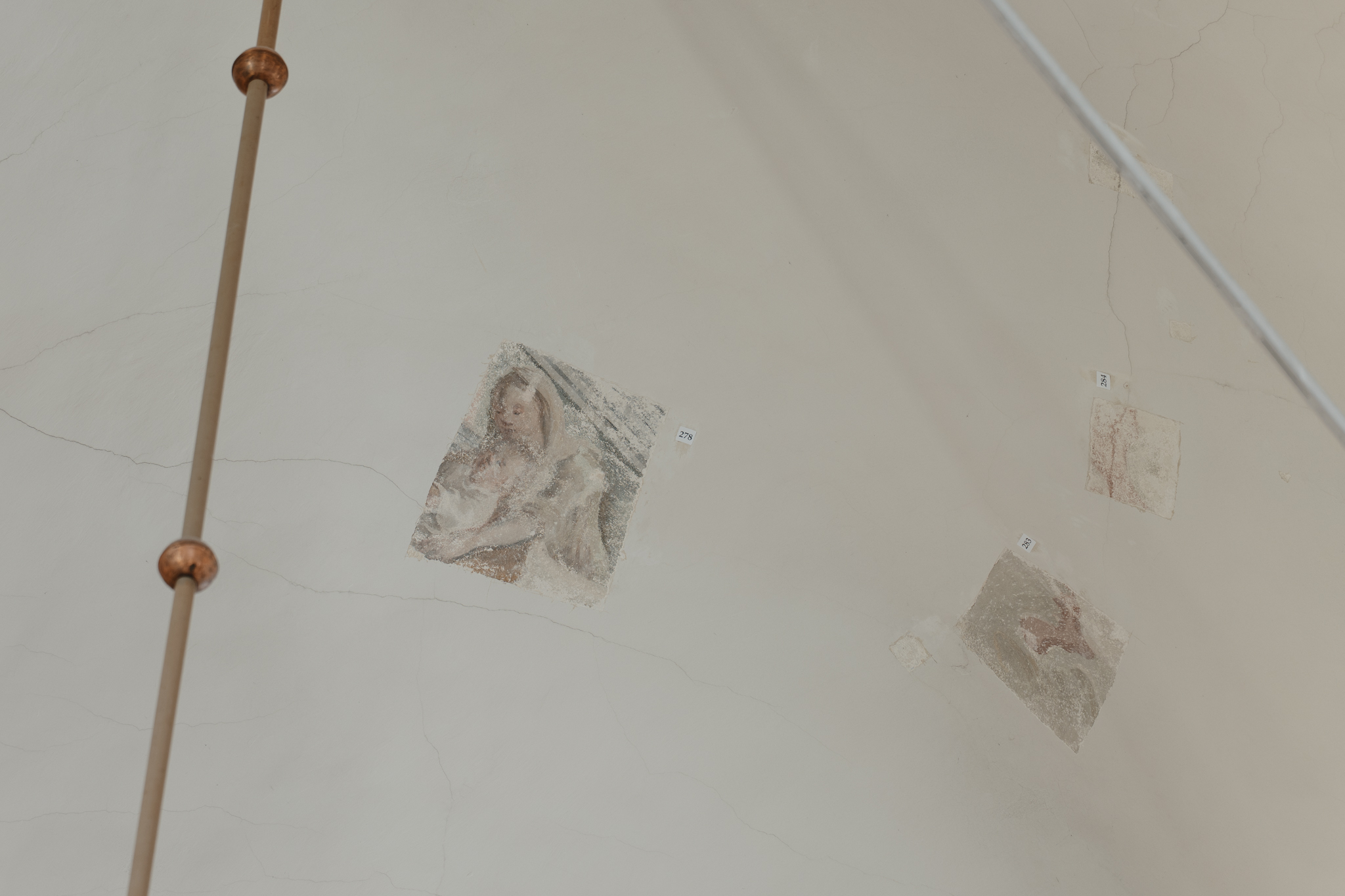
Researchers have confirmed that more than 2,000 square meters (21,500 square feet) of original Baroque murals remain preserved beneath later paint layers, making it one of the most authentic surviving Baroque church interiors in the Baltic region.
Baroque architecture was heavily promoted by the Catholic Church in the early 1600s to counter the austere architectural style present in Lutheran churches following the Reformation.
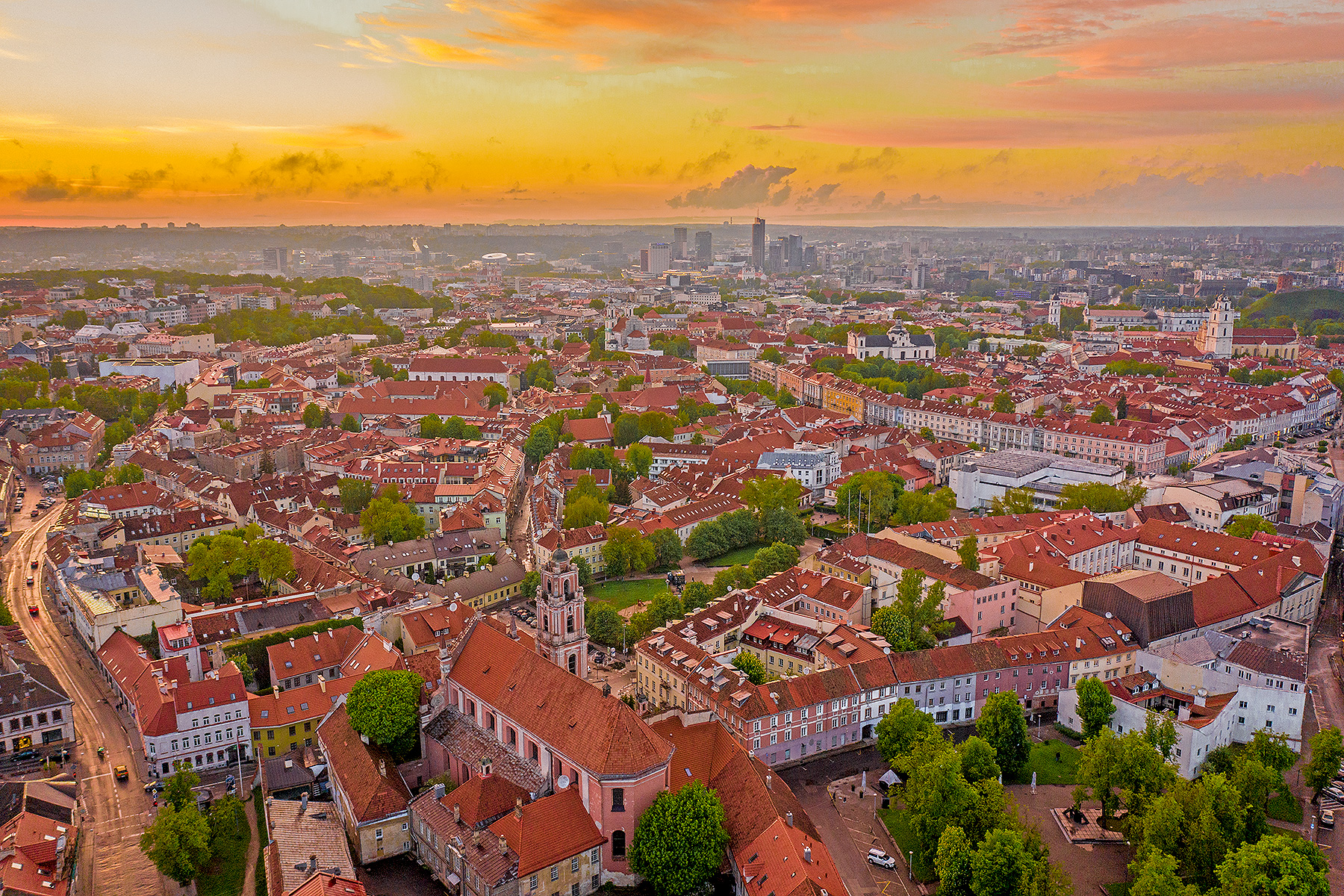
Starting in Rome, the style spread across Italy, Spain, and Portugal before gaining popularity in Austria, Poland, and Lithuania. Vilnius is today known as the “Rome of the North” because it boasts the largest collection of Baroque architecture in Eastern and Central Europe.
A rare moment of discovery
For lead conservator Indrė Valkiūnienė, the first glimpse of the hidden paintings immediately signaled that the team had uncovered something extraordinary.
“Uncovering the first painted figures brought a wonderful sense of discovery,” she told EWTN News. “It immediately became clear that they had been executed with great skill.” The paintings’ refined technique and vivid colors, she said, point to “highly accomplished painters active in 18th-century Vilnius.”
“An even greater sense of satisfaction came when we realized that the paintings had escaped later alterations and overpainting until the third decade of the 19th century,” Valkiūnienė said. “They were not overpainted because they could no longer be conserved, but because there was an intention to fundamentally change the decoration of the church interior.”

For Valkiūnienė, the paintings are important as works of art but also as expressions of Christian faith and culture in Vilnius and broader Lithuania.
“The character of Vilnius Baroque is expressed not only through architecture but also through the artistic conception of church interiors,” she explained. Churches were designed as unified sacred spaces where marble, stucco sculpture, gilding, and monumental paintings together proclaimed the Christian message.
The newly investigated vault paintings formed part of that unified program.
Historically across Europe, many Baroque church interiors have been repeatedly restored or repainted, leaving scholars to distinguish original artwork from later interventions. At St. John’s Church, the paintings were simply concealed.
Researchers have now identified the arrangement of scenes depicting the lives of St. John the Baptist and St. John the Evangelist while also establishing the original color scheme and assessing the condition of the concealed paintings. This information will guide any future restoration.
For visitors today, Valkiūnienė believes the discovery places Lithuania firmly within Europe’s Christian artistic heritage.
A Jesuit church at the heart of Lithuania
The discovery carries added significance because St. John’s Church stands at the heart of Vilnius University, one of Eastern Europe’s oldest universities.
Founded by the Jesuits in 1579, it was one of just 23 Jesuit universities in Europe between the 16th and 18th centuries and, for nearly 200 years, the easternmost university on the continent. From there, it served as a leading center of Catholic learning during the Counter-Reformation, shaping the intellectual and spiritual life of the region.
The university also has close ties to one of the Church’s best-known modern devotions. Among its professors was Blessed Michał Sopoćko, the confessor and spiritual director of St. Faustina Kowalska, who encouraged the Polish nun to record her mystical experiences and helped spread the message of divine mercy throughout the Church.
For centuries, St. John’s Church also hosted royal ceremonies and gatherings of nobles, reflecting its central place in the religious and civic life of Lithuania.
More than restoring art
For Jesuit Father Aldonas Gudaitis, the chaplain of Vilnius University, the discovery is about far more than recovering historical paintings.
“The beauty of Baroque inspires young people to admire art,” he said. That fascination, he explained, often encourages them not only to explore Christian artistic traditions more deeply but also awakens an interest in the Christian faith itself. He believes the restoration also carries a powerful message for Lithuania, whose churches suffered greatly during decades of Soviet occupation.
Under the USSR, St. John’s Church was closed to worshippers, damaged while being stripped of its religious functions, and later repurposed as a warehouse.
Across the country, Gudaitis explained, restoring what was damaged or hidden has become a source of hope for many people. Comparing the process to the Catholic sacrament of reconciliation, Gudaitis said that just as forgiveness frees a person to live without the burden of guilt, restoring sacred art brings a similar spiritual renewal to communities.
“The restoration of art in churches enriches people spiritually,” he said. “It strengthens the hope that even a violent occupation cannot destroy what is beautiful and cherished.”
That message may ultimately become the discovery’s greatest legacy.
Beyond revealing one of the Baltic region’s largest surviving Baroque painting programs, the hidden murals of St. John’s Church remind Catholics that beauty created for the glory of God can endure through wars, occupations, and changing fashions, all while waiting patiently to inspire a new generation.
If you value the news and views Catholic World Report provides, please consider donating to support our efforts. Your contribution will help us continue to make CWR available to all readers worldwide for free, without a subscription. Thank you for your generosity!
Click here for more information on donating to CWR. Click here to sign up for our newsletter.

Leave a Reply