

 By
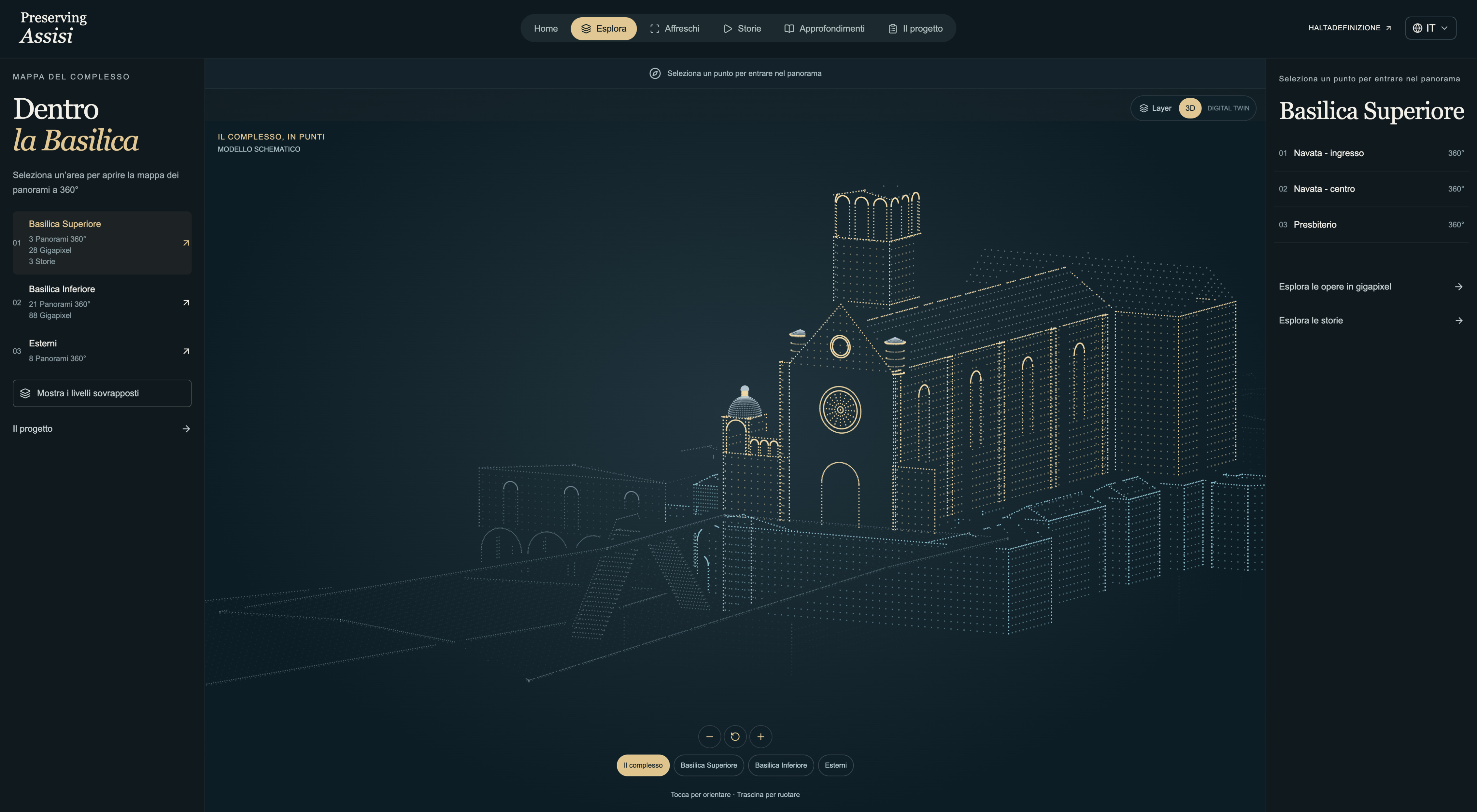
By Preserving Assisi is dedicated to safeguarding the Basilica of St. Francis in Assisi, Italy, using 27,000 photographs, 3D surveys, and immersive tours.

In honor of the 800th anniversary of the death of St. Francis of Assisi, a new digital platform has been launched dedicated to the preservation of the Basilica of St. Francis in Assisi, Italy.
Preserving Assisi combines ultra-high-resolution photography, 3D surveying, immersive virtual tours, and a digital archive to create an unparalleled record of the basilica and its history.
The new digital platform was developed by Haltadefinizione, part of the Gruppo Panini Cultura, and in collaboration with the General Custody of the Sacred Convent of Saint Francis.
Preserving Assisi aims to offer a new way to explore and understand the famous site. It also aims to provide the opportunity for a digital version of the basilica to be created so that a detailed record of its architecture, paintings, and surfaces can be used for future research and support documentation, monitoring, and conservation over time.
The inspiration for the project came from an extensive photographic campaign commissioned by Franco Cosimo Panini Editore. The campaign was called “Mirabilia Italiae” and it was dedicated to the systematic documentation of Italy’s major monuments. Around 2,000 photographs were produced.
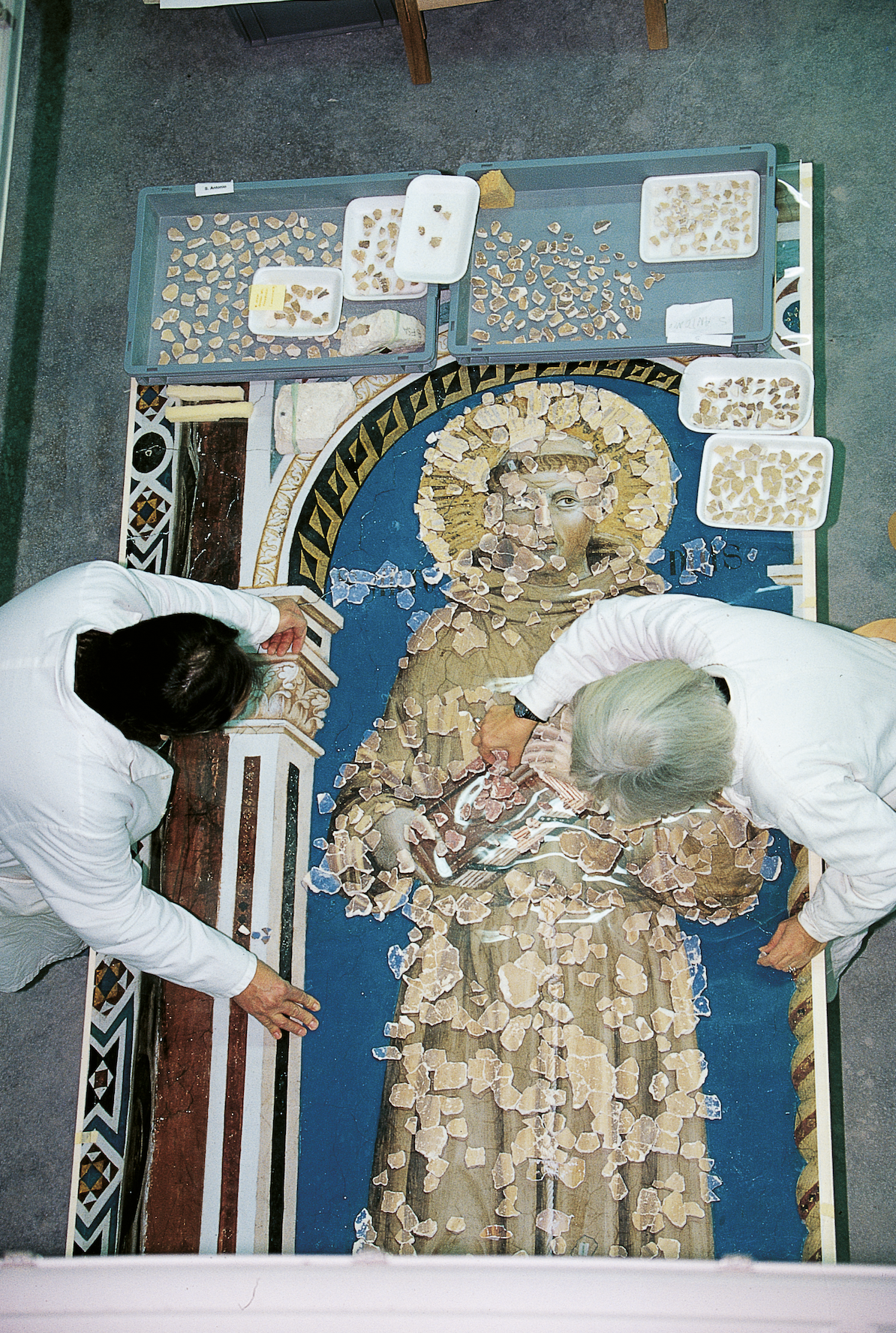
On Sept. 26, 1997, an earthquake hit the Umbria and Marche regions of Italy, which resulted in the collapse of sections of the upper basilica. Providentially, hours before the earthquake struck, photographs were taken for the “Mirabilia Italiae” of those very sections that then collapsed. These photographs ended up playing a major role and serving as key references in the reconstruction and restoration of the basilica.
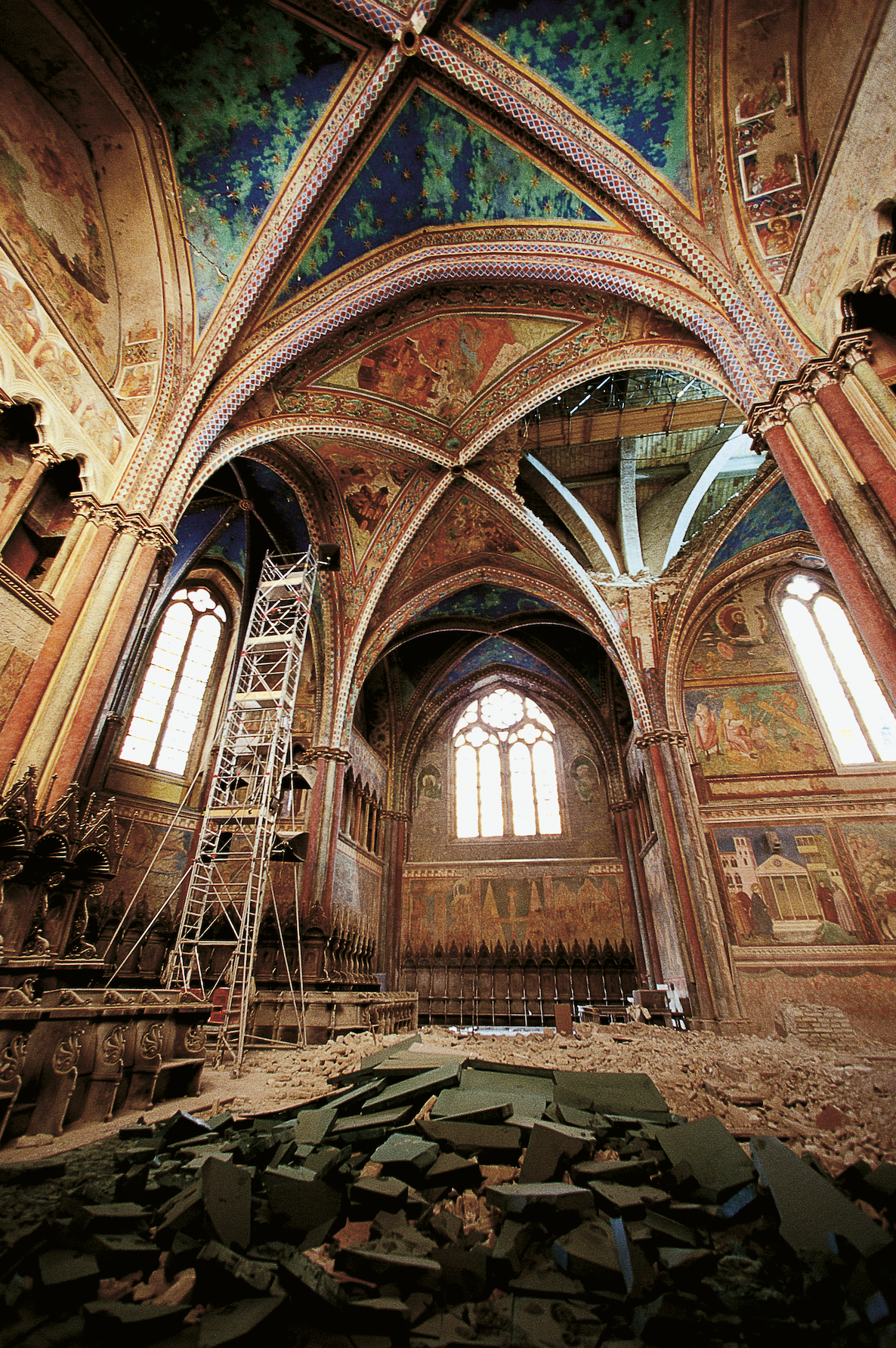
The experience became one of the driving factors behind the Preserving Assisi digital platform in that it not only serves as a way to document the basilica’s past but also provides knowledge for its future preservation.
“Over the past thirty years, the technologies we use to document cultural heritage have changed radically, but our purpose has remained the same: to organize and preserve knowledge so that it can be studied, shared and passed on to future generations,” Lucia Panini, co-founder of Gruppo Panini Cultura, said in a press release.
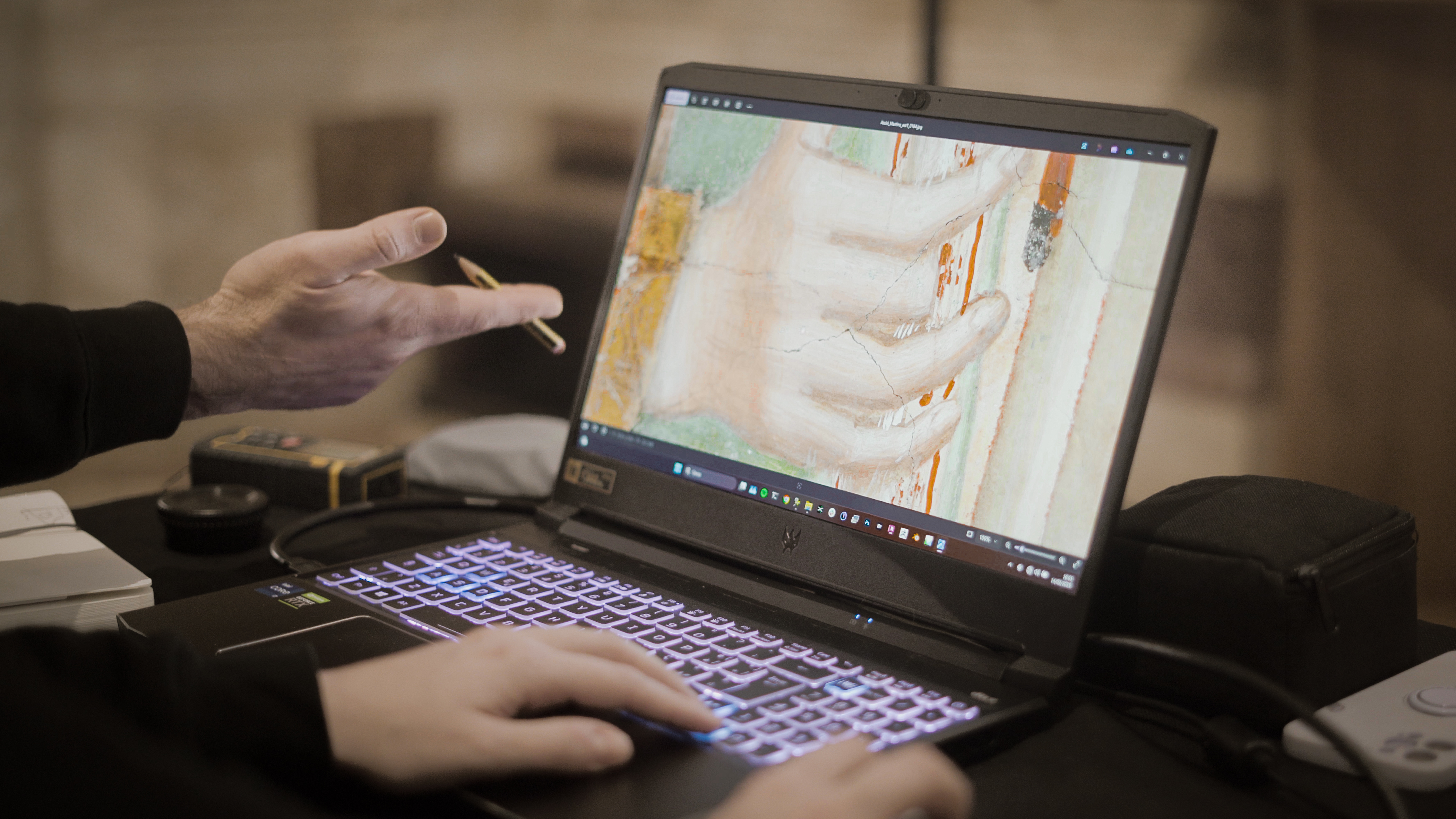
The project has captured over 27,000 photographs, resulting in 12 terabytes (TB) of data and 98 completed digital assets, including gigapixel images and 360-degree panoramas.
One of the most significant results from the project so far is the gigapixel image of Pietro Lorenzetti’s Crucifixion painting. Measuring 101,627 by 78,170 pixels, it contains nearly 8 billion pixels.
“Preserving Assisi is one of the most complex projects we have undertaken in our 20 years of work,” Luca Ponzio, founder and CEO of Haltadefinizione, said. “It brings together, within a single digital environment, a range of tools and multimedia content designed to present, document, and support the study of the Basilica of St. Francis.”
He added: “It is a project that will continue to grow over time through new acquisitions, further research, and new ways of exploring the site.”
Friar Marco Moroni, custos of the Sacred Convent of Saint Francis in Assisi, said: “Preserving Assisi is a project that fills us with great enthusiasm. The experience of the 1997 Assisi earthquake made us even more aware of the importance of creating a photographic record of the highest possible quality to safeguard and enhance this extraordinary artistic heritage, together with its profound significance as an expression of faith.”
He added: “This documentation will allow future restoration work to be undertaken with an extraordinary level of knowledge and precision, while also opening up these artistic and spiritual treasures to audiences around the world in the finest possible detail.”
The project is supported by the National Committee for the Celebration of the Eighth Centenary of the Death of Saint Francis of Assisi, together with the Umbria Region and the City of Assisi in collaboration with the University of Florence.
If you value the news and views Catholic World Report provides, please consider donating to support our efforts. Your contribution will help us continue to make CWR available to all readers worldwide for free, without a subscription. Thank you for your generosity!
Click here for more information on donating to CWR. Click here to sign up for our newsletter.

Leave a Reply