

 By
By After liturgical disputes in India nearly led to a schism in 2025, the Syro-Malabar community came together July 9–12 in Chicago to honor its 25th year as an official eparchy in the U.S.

CHICAGO — While most Christians can’t trace their faith lineage to a specific saint, Syro-Malabar Catholics know exactly who brought their ancestors the faith. They proudly call themselves “St. Thomas Christians” — descendants of the first Christians to whom St. Thomas the Apostle brought the Gospel in Kerala, India, in A.D. 52.
The Syro-Malabar community came together July 9–12 in Chicago for “Syro26,” a jubilee convention not only to honor its 25th year as an official eparchy in the U.S. but also to reaffirm and celebrate its unity as a church after liturgical disputes in India nearly led to a schism last year.
Counting some 5 million members worldwide, the Syro-Malabar Catholic Church is the largest of the 22 Eastern Catholic churches in communion with Rome. Originally found mostly in India, the church has experienced explosive growth in the U.S. during the 21st century.
Just 25 years ago, St. John Paul II established the St. Thomas Syro-Malabar Catholic Eparchy to serve the growing immigrant community. Headquartered in Chicago, the eparchy — what Western Churches call a “diocese” — has jurisdiction over the entire U.S., a region that includes some 87,000 souls who attend 53 parishes and 32 missions, served by 86 devoted priests.
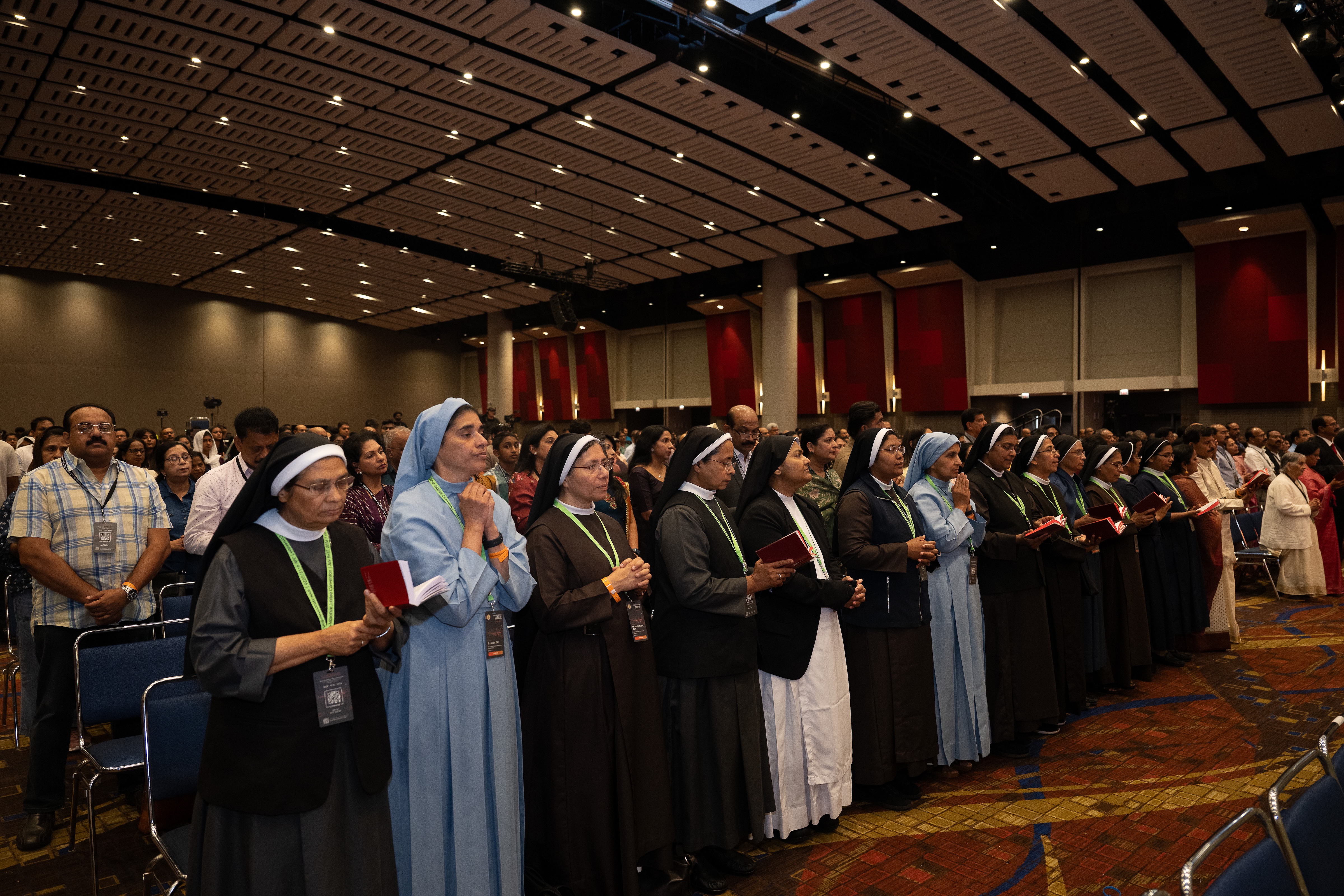
More than 3,500 people flooded Chicago’s McCormick Place for the four-day-long festival that featured luminous cultural and dramatic performances, engaging talks from well-known Catholic speakers, a congratulatory visit from local archbishop Cardinal Blaise Cupich, and a dizzying array of events designed for everyone in attendance.
In some ways, Syro26 was like other Catholic conferences — plenty of clergy and religious in attendance, daily prayer and Holy Qurbana (the Syro-Malabar liturgy), Catholic speakers, ongoing Eucharistic adoration, and confession. But in other ways, it was its own distinct cultural experience, with attendees in vivid sarees and other traditional clothing; as many conversations in Malayalam as in English; and events that included Bollywood dance and traditional music.
Unity as a church and with Rome
Cupich, head of the Chicago Archdiocese, attended the inauguration and warmly affirmed the local Roman Catholic Church’s unity and friendship with the eparchy.
Addressing those gathered, he said of the eparchy: “Today, this very thriving community is a sign of hope, with its robust youth ministry, catechetical programs, and outreach to immigrant families navigating the cultural differences of life in the United States, while always continuing the Indian traditions.”
“We give thanks this evening for the many blessings — among them, the spiritual sustenance and the formation that this eparchy brings to the Syro-Malabar Catholics, the witness it offers to all Catholics in spiritual renewal, and the example that you give to all Americans,” he continued.
The “witness to all Catholics” may include in part the church’s recent hard-fought efforts for unity over division. After decades of dispute, the Syro-Malabar Church reached a historic agreement in July 2025 to keep the church united rather than enter into schism.
“There will always be issues that come down the line about which we have to be diligent and well-versed, and our leadership has set a good path for us as to how to manage any disagreements,” said Sony Thevalakara, a father of seven who is highly involved in the Chicago eparchy and gave a talk about parenting at Syro26.
Events for young and old
With attendees ranging from newborn babies to the elderly, Syro26 included a vast array of events.
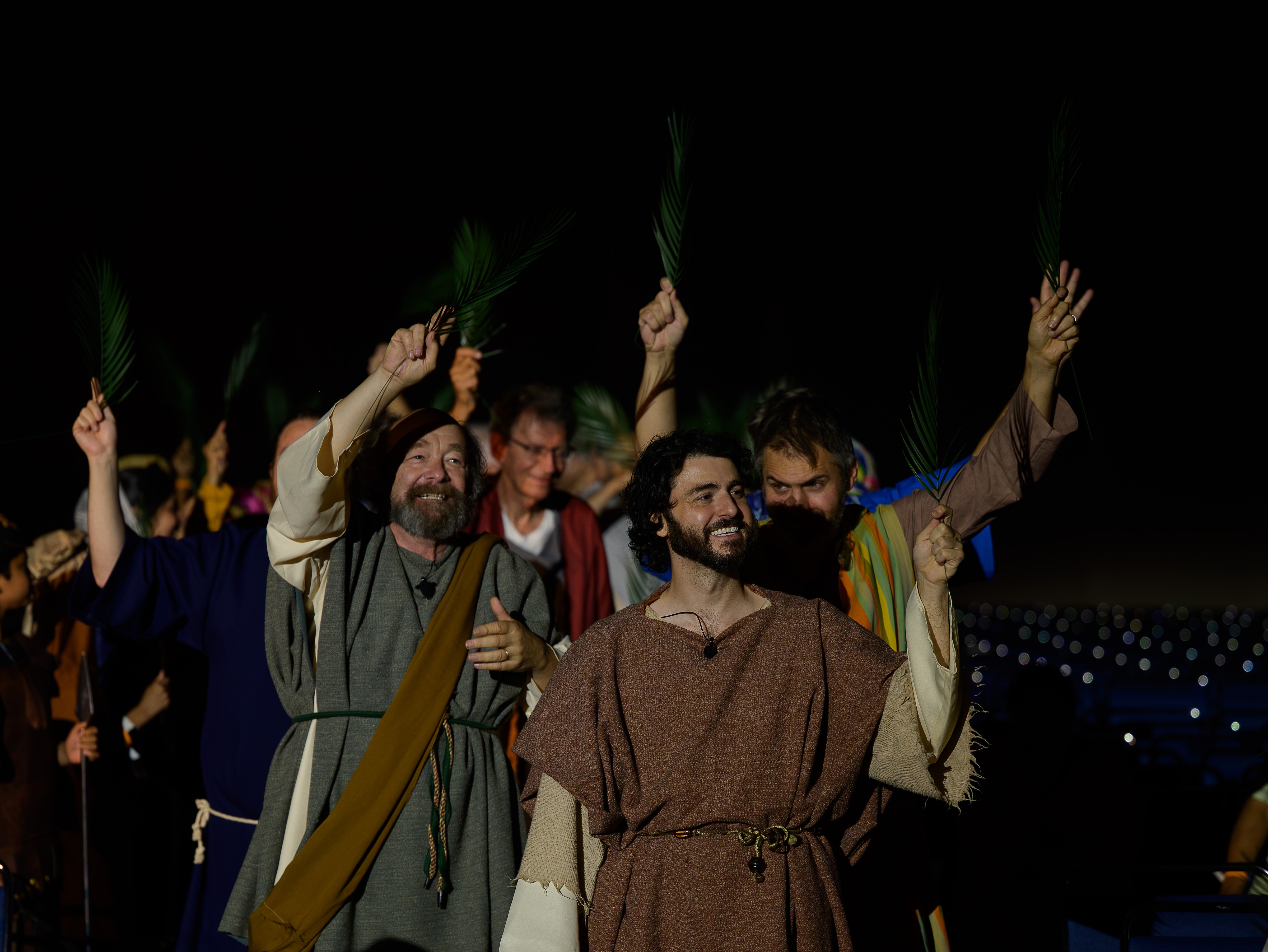
Theatrical productions brought to life the Gospel story and how St. Thomas brought the Catholic faith to India, and many attendees mentioned especially enjoying the formal gala and the Chicago River cruise.
Catholic speakers like bestselling author Edward Sri, astrophysicist priest Father John Kartje, college chaplain Father Tim Anastos, and others addressed theological and lifestyle topics, while special gatherings brought together groups of catechists, seniors, choir members, nurses, sacristans and altar servers, artists, filmmakers, schoolteachers, youth ministers, and those of other interests.
Breakout sessions included topics like college admissions, financial literacy, faith and mental health, skin care, professional networking with a “Syro Shark Tank” business startup summit, a Pietra Fitness workout class, a Bollywood dance workshop, and a saree draping and styling class.
Younger participants mentioned enjoying the dodgeball tournament and World Cup Soccer watch party — and especially the 21+ rooftop social and the singles mixer. “I feel like thatʼs kind of half the purpose of the convention,” one young woman joked.
Sister Dr. Jocelyn Edathil of the Bethany Sisters, who spoke on a “Catholic Ask Me Anything” panel, told EWTN News: “Coming here and being able to have a shared lived experience is really a blessing. Thereʼs a lot of love in this room.”
Brian Kuncheria, logistics director for Syro26, said he hopes the event will make the Syro-Malabar Church better known, as he sometimes runs into misconceptions about being Eastern Catholic.
“Often when I explain our church to someone, they’re not very familiar and they think the Roman Catholic Church is the only Catholic church. Itʼs very cool to explain to them the history of St. Thomas coming to India, spreading the faith to our people in India, and how our church is a direct result of that,” he said. “This convention is a unique opportunity to showcase and explain how our church maintains our heritage and traditions while being fully in communion with Rome.”
Several speakers and organizers mentioned their hope for their church to grow in evangelization efforts and a missionary spirit here in the U.S. and how they are looking forward to the next 25 years of growth.
But perhaps St. Thomas himself said it best in one of Syro26’s theatrical performances: “This mission did not end with St. Thomas. I planted its seed among your ancestors and they took it. They lived it… And in the fullness of time, from the Indian shores, that faith — in its unique expression — set sail for North America and other distant lands.”
“It followed those Indian sons and daughters who ventured from their homes to settle in those places, and where they settled, the faith took root… And even still, the story continues.”
If you value the news and views Catholic World Report provides, please consider donating to support our efforts. Your contribution will help us continue to make CWR available to all readers worldwide for free, without a subscription. Thank you for your generosity!
Click here for more information on donating to CWR. Click here to sign up for our newsletter.

Leave a Reply