

Hezbollah supporters have reportedly used AI-generated manipulated images to attack Cardinal Bechara Boutros al-Rai, the Maronite Patriarch of Antioch and All the East.

Hezbollah supporters have reportedly used AI-generated manipulated images to target Cardinal Bechara Boutros al-Rai, the Maronite patriarch of Antioch and All the East.
The patriarch described the digital attack on him as “a war of words, not freedom of opinion, but a worrying decline in the standards of language and values, and a violation of human dignity that no one has the right to infringe upon, regardless of its source or form.”
The digital attack involved the circulation of altered images portraying the patriarch in mocking and degrading ways.
Jowelle M. Howayeck, a Lebanese civic activist and 2022 parliamentary candidate, argued that the campaign is neither spontaneous nor ambiguous in its intent. “It is both intimidation and sectarian provocation, and it is deliberate,” she said.
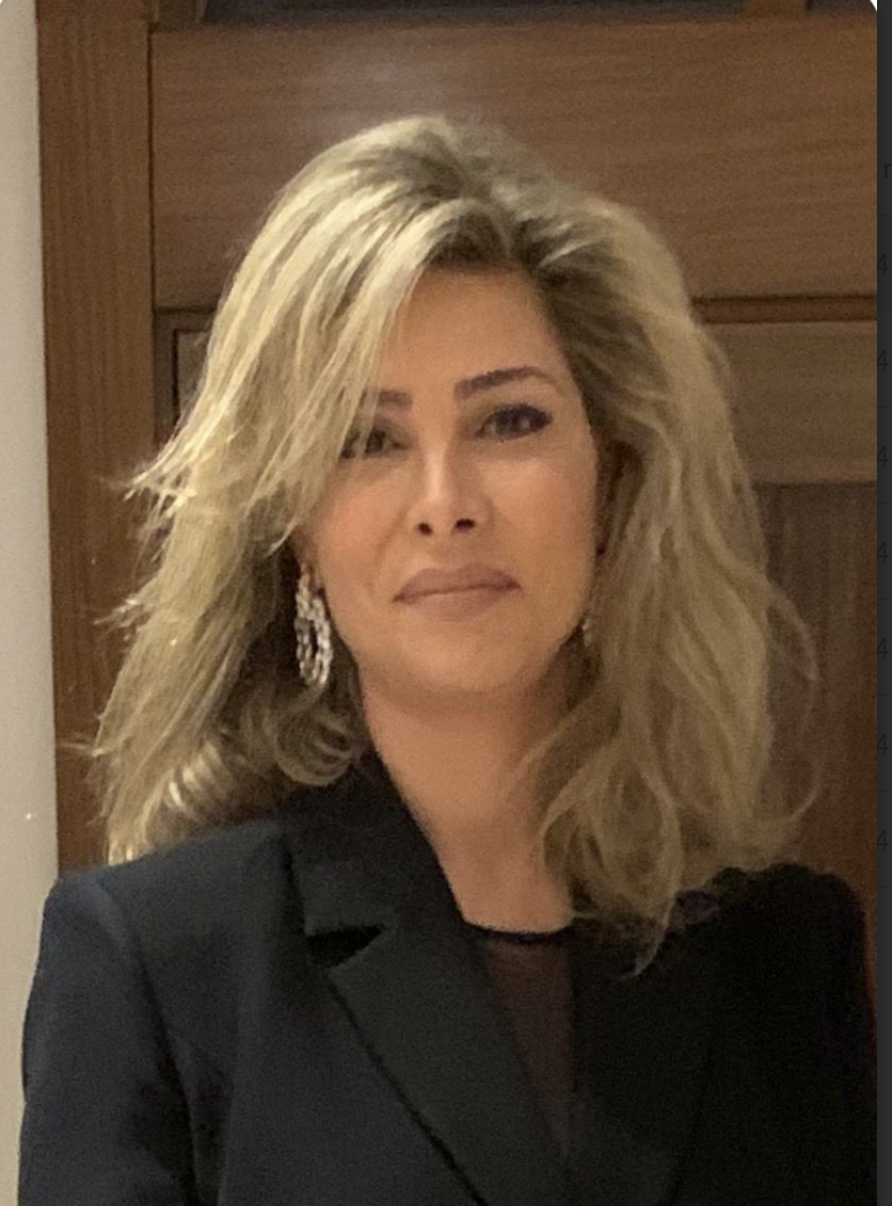
For Howayeck, the timing is not accidental. She links the campaign to a broader political context in which Hezbollah is “losing political ground,” prompting what she describes as a predictable shift in strategy: “Divert attention from the core issue and construct a new confrontation that can be framed as a symbolic victory.”
In her view, “this is not political engagement. It is crisis management through fear, distraction, and division.”
The campaign, she added, also reflects a deepening rupture between Hezbollah and the Christian community.
Digital confrontations of this kind are not new in Lebanon’s political landscape, but they carry particular risks in a country built on a fragile and strained social contract.
The patriarch himself has been targeted before “because the patriarch represents a form of authority that cannot be coerced or absorbed: moral legitimacy anchored in national identity,” Howayeck said. “Whenever his positions align with state sovereignty, they expose a structural contradiction within the opposing project.”
If you value the news and views Catholic World Report provides, please consider donating to support our efforts. Your contribution will help us continue to make CWR available to all readers worldwide for free, without a subscription. Thank you for your generosity!
Click here for more information on donating to CWR. Click here to sign up for our newsletter.

Hezbollah=Islamic
Why don’t we name things for what they are?