

 By
By The unreliability of electricity in Cuba has limited the production of Communion hosts, forcing the Cuban Church to ask bishops and priest to ration the distribution of the Eucharist.
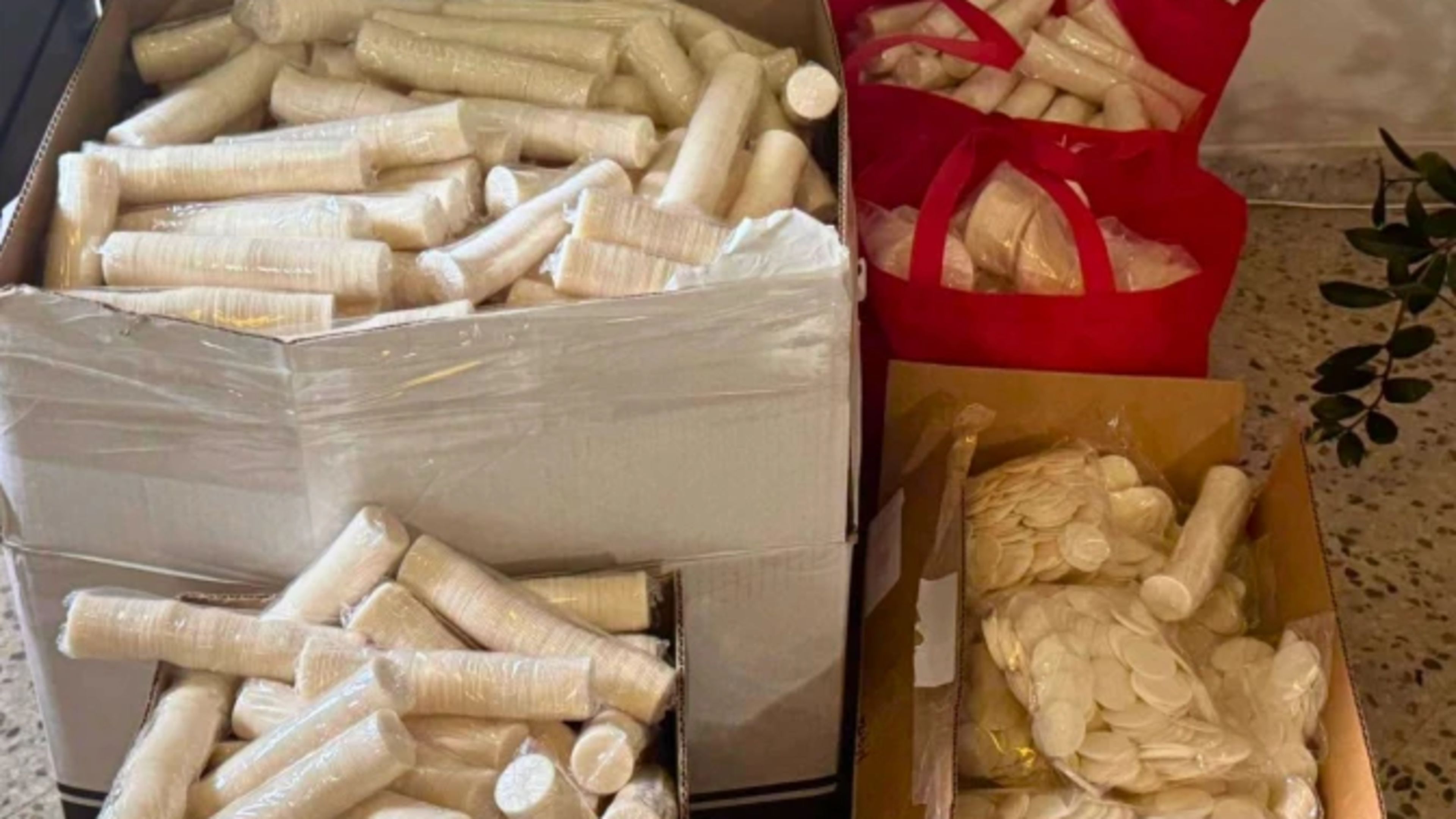
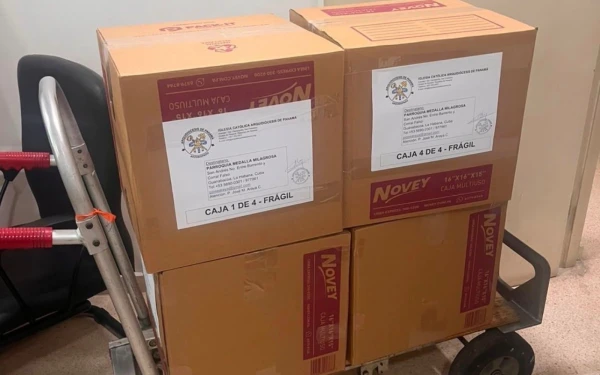
In response to a shortage of Communion hosts in Cuba, the Catholic Church in Panama announced that it had sent 35,000 hosts, while another 300,000 were sent from Puerto Rico, to support the celebration of the Eucharist on the island.
In a statement, Archbishop José Domingo Ulloa Mendieta of Panama announced that this gesture of fraternity “arises in response to the difficulties several Cuban dioceses are facing in ensuring a supply of hosts, an essential element for the celebration of the sacrament that constitutes the source and summit of the Christian life.”
Meanwhile, El Visitante, the official newspaper of the Catholic Church in Puerto Rico, reported that Archbishop Roberto O. González Nieves of San Juan is coordinating the country’s efforts to get the aid to Cuba.
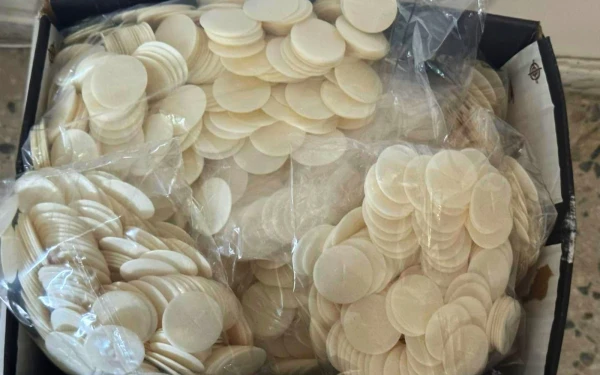
Currently, all of Cuba’s hosts are produced at the Monastery of Santa Teresa and San José, home to a Discalced Carmelite community. However, the lack of a reliable power supply has hindered production.
Eucharist, the ‘sacrament of unity’
Friar George Payano, a Dominican priest, told Agence France-Presse that making Communion hosts requires time and suitable machinery, but “the hours of electricity are very limited.”
“This results in lower production and means they have to, as they announced to the priests and bishops, ration distribution somewhat,” the friar noted.
Ulloa stated in his message that beyond the material value of the shipment, “this act constitutes a concrete sign of the Communion that unites the Church beyond borders.”
The archbishop noted that the Eucharist “is the sacrament of unity. Gathered around the same bread of life, we recognize ourselves as brothers and sisters and as members of one body.”
“Therefore, when a community lacks what is necessary to celebrate this mystery, we feel the duty from the Gospel to reach out and accompany them,” he said.
El Visitante noted that González described the initiative similarly, saying that it is “a visible sign of communion among the particular Churches of the Caribbean and a concrete expression of the unity born of the Eucharist.”
The Puerto Rican newspaper added that the shipment also serves as an invitation to “keep on praying for the Cuban people, for their pastors and the faithful, so that strengthened by God’s grace they may continue to proclaim the Gospel and joyfully celebrate the mysteries of our faith.”
The hosts sent from Panama were made by the Sisters of the Monastery of the Visitation and shipped free of charge by Copa Airlines. In Puerto Rico, production involved the collaboration of the cloistered Dominican sisters of the Mother of God Monastery as well as the support of the faithful who made donations for their preparation.
This story was first published by ACI Prensa, the Spanish-language sister service of EWTN News. It has been translated and adapted by EWTN News English.
If you value the news and views Catholic World Report provides, please consider donating to support our efforts. Your contribution will help us continue to make CWR available to all readers worldwide for free, without a subscription. Thank you for your generosity!
Click here for more information on donating to CWR. Click here to sign up for our newsletter.

Leave a Reply