

 By
By Two neighbors objected to the shrine and filed suit. Lawyers for the Missionaries of St. John the Baptist say federal religious liberty protections guarantee their right to construct the shrine.
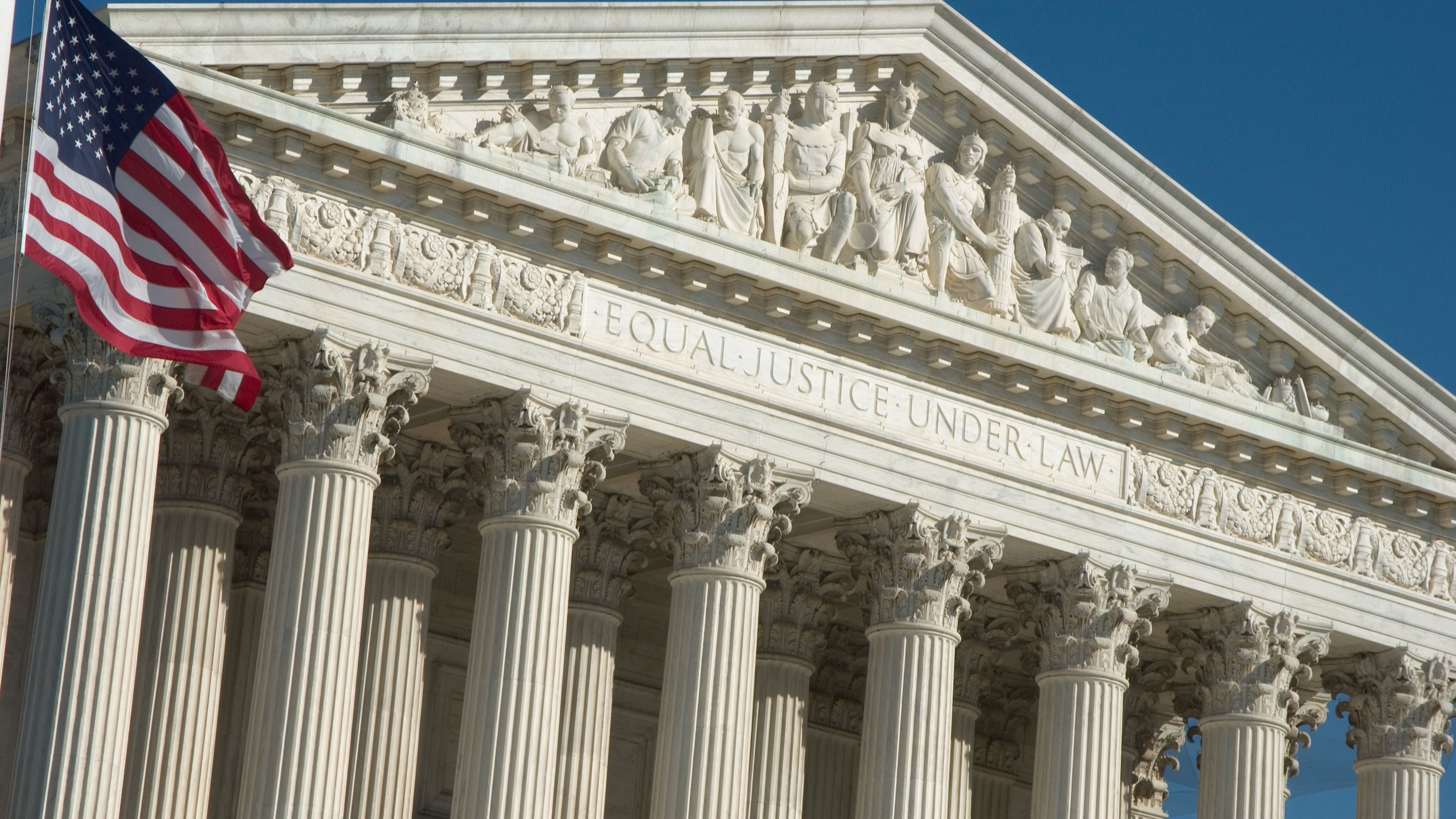
The U.S. Supreme Court has agreed to hear a religious liberty case about a local zoning dispute that pitted two residents of a northern Kentucky city against a Catholic chapel that wants to build a Marian shrine.
Missionaries of St. John the Baptist, a Catholic religious association that runs the Our Lady of Lourdes Chapel in Park Hills, Kentucky — just south of Cincinnati, Ohio — faces a lawsuit that seeks to block its construction of a grotto shrine that pays homage to the Marian apparitions in 1858 in Lourdes, France.
The city board initially approved the chapel’s request to construct the shrine by granting it a variance from a zoning ordinance that would have typically prevented construction in that location, but two neighbors objected to the shrine and filed a lawsuit.
The case went up to the Kentucky Supreme Court, which ruled against the chapel, finding that the city board exceeded its authority when it gave the chapel a variance from the ordinance.
Joel and Elizabeth Frederic, the neighbors, expressed concerns about traffic and parking if the shrine were to become a pilgrimage site. The chapel argued the shrine would simply include a statue of Mary inside a grotto, a statue of St. Bernadette — who witnessed the apparitions — and a patio and walkway.
The Catholic association that operates the chapel argues that blocking the construction of the shrine would violate the federal Religious Land Use and Institutionalized Persons Act, which states that zoning laws cannot substantially burden a church’s exercise of religion. This is also the law cited by the city council as its reason for approving the chapel’s variance.
“Telling a church it can’t build a modest place for prayer and reflection on its own property is outrageous,” Kelly Shackelford, president, CEO, and chief counsel at the First Liberty Institute, which is providing legal representation to the chapel, said in a statement.
“Federal law provides clear protections for how faith-based organizations can use their property to support their mission,” she said. “This is an important case for religious freedom.”
Oral arguments have not yet been scheduled. The case could set nationwide precedent for how cities are expected to handle zoning laws that could impose burdens on religious practice.
If you value the news and views Catholic World Report provides, please consider donating to support our efforts. Your contribution will help us continue to make CWR available to all readers worldwide for free, without a subscription. Thank you for your generosity!
Click here for more information on donating to CWR. Click here to sign up for our newsletter.

Leave a Reply