Madrid, Spain, Mar 21, 2017 / 03:19 pm (CNA/EWTN News).- A recent video ad released by the Down Federation seeks to increase awareness of persons with Down syndrome.
Through a series of videos and photographs, the campaign seeks to challenge the prejudices faced by persons affected by disability, noting that “with appropriate supports, they can carry out any goal that is proposed.”
The campaign was launched in advance of World Down Syndrome Day, which is celebrated all over the world on March 21, and aims to “increase social awareness regarding people with this intellectual disability.”
In the video, four famous Spanish actors – Jordi Rebellón, Vanesa Romero, Eva Isanta and Jesús Olmedo – sit with their eyes closed in front of people with Down syndrome. Little by little, they open their eyes, and break away from the “prejudices, stereotypes, doubts, misgivings and appearances” that the video says “create an invisible blindfold that prevents one from seeing reality.”
The Down Federation of Spain video closes by inviting Spaniards to “open your eyes and look at the person in front of you,” as a concrete way to “change the view of Down Syndrome.”
The video is part of a larger campaign the organization is launching under the theme: “Change your view on Down syndrome.” The group has also hosted a performance by dancers with Down syndrome as well as a chance for the public to read both discriminatory messages and positive messages received by individuals with Down syndrome.
“We want to encourage real change” in the way society views people with Trisomy 21, the genetic disorder that causes Down syndrome, the organization said in a statement.
Agustín Matía, manager of the Down Federation of Spain, told the Spanish newspaper La Razón that “the number of people with this syndrome has remained stable in recent years, between 34,000 and 35,000, but the trend is that this number will decrease, although their lifespans are increasing. There are already people in their 70s and 80s, but births are falling.”
According to previous interviews in 2015 by Matía, Spain has one of the smallest populations of persons with intellectual disabilities in the world, and the lowest rate of Down syndrome diagnoses to births on the planet. In the past, Matía has blamed the abortion of those prenatally diagnosed with Trisomy 21 – along with societal biases – for these incredibly low rates.
“Disability is not assumed. Many people believe, when they see on the street some of these children, that they are unhappy, and it is the opposite. They are very wrong,” Mattia said in a statement on the group’s most recent project.
He also pointed to the need for support from the medical community when a couple is informed that they may have a child with the condition.
Matía also argued that children with Down syndrome “should be integrated into normal schools with the supports they need.” This is something that rarely happens Spanish schools.
If you value the news and views Catholic World Report provides, please consider donating to support our efforts. Your contribution will help us continue to make CWR available to all readers worldwide for free, without a subscription. Thank you for your generosity!
Click here for more information on donating to CWR. Click here to sign up for our newsletter.
London, England, Jun 9, 2021 / 04:00 am (CNA).
Some of St. John Henry Newman’s best-loved words will be heard on Thursday as they have never been heard before.They will feature in a new work by the composer Si… […]
As prior of the Augustinians (below, in a white shirt), in 2003 Leo XIV visited the Valley of the Fallen with a group of young people. / Credit: Courtesy of Israel @profedeprimari on X
Madrid, Spain, May 20, 2025 / 06:00 am (CNA).
Pope Leo XIV … […]
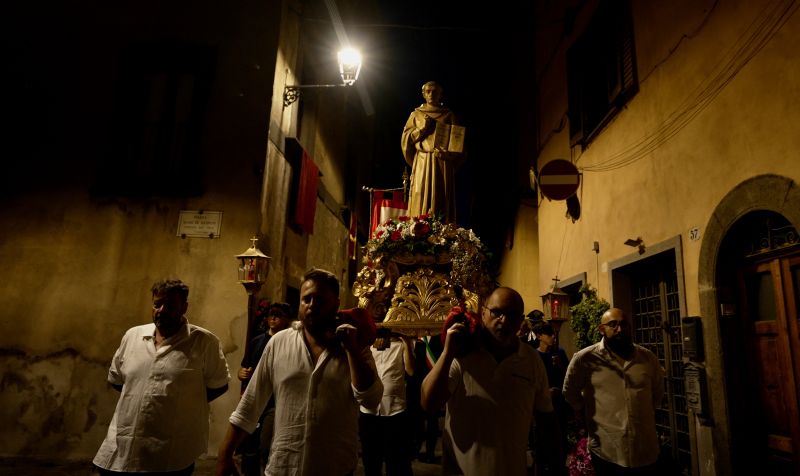
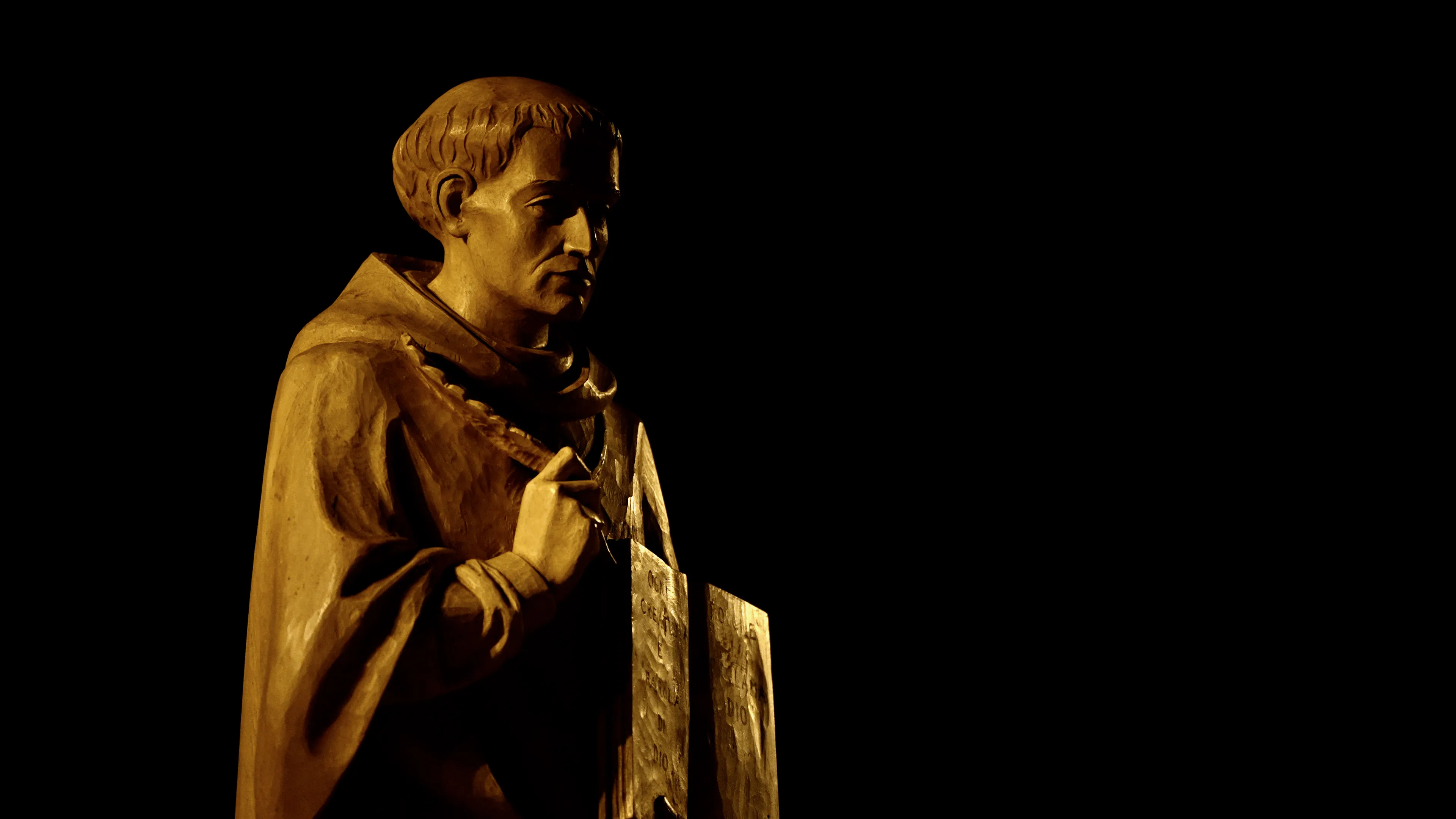
Four men carry a statue of St. Bonaventure during a candlelight procession on July 14, 2023, in Bagnoregio, Italy, his birthplace, on the vigil of the saint’s feast day. / Patrick Leonard/CNA
Bagnoregio, Italy, Jul 15, 2023 / 12:15 pm (CNA).
The birthplace of St. Bonaventure, a 13th-century intellectual giant now revered as a doctor of the Church and the “second founder” of the Franciscans, paid homage to its patron Friday night on the vigil of his feast day with music, prayers, and a candlelight procession.
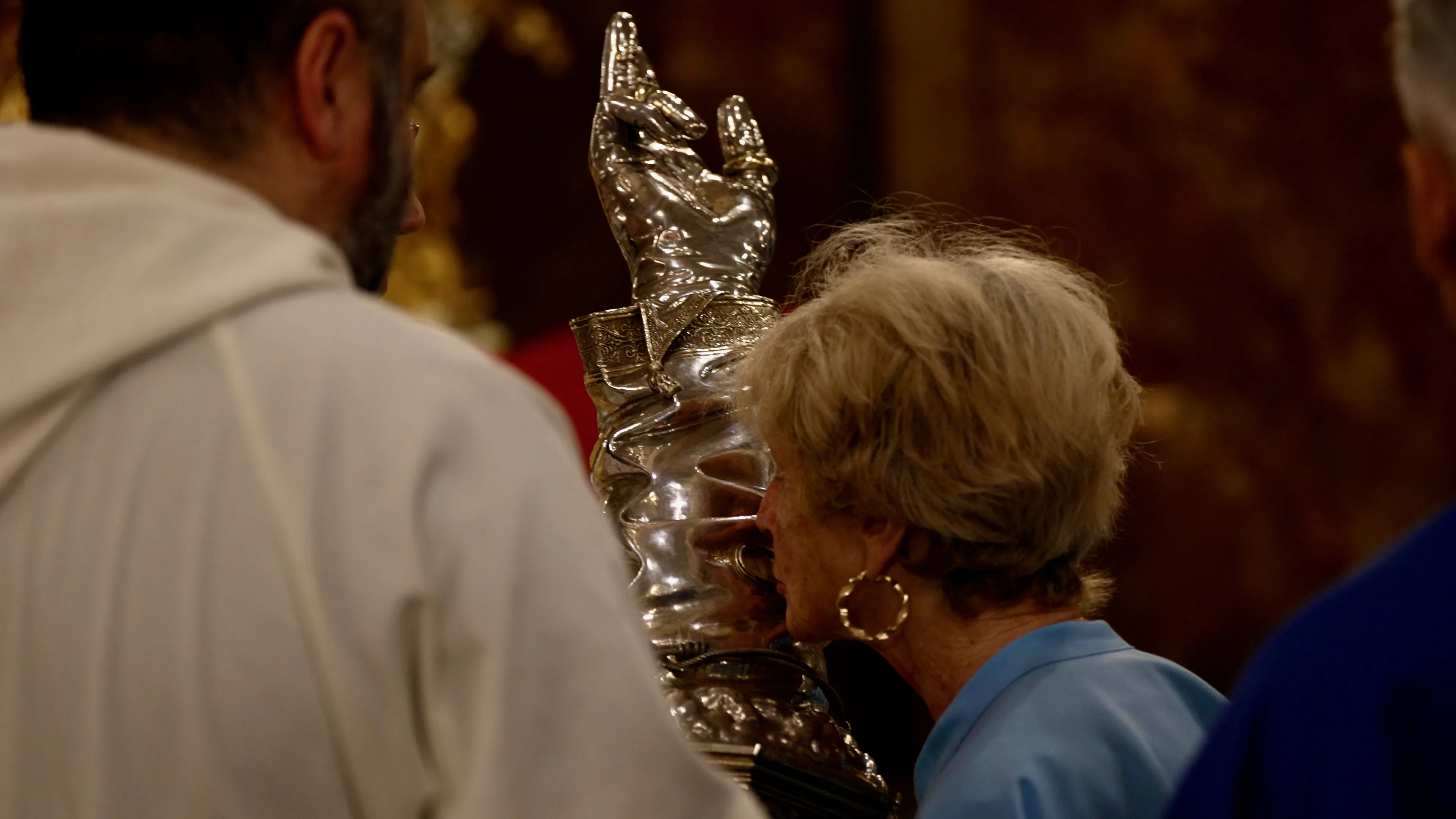
For the citizens of Bagnoregio, an idyllic town nestled in Italy’s Lazio region about a 1½ drive north of Rome, the July 15 feast is both a solemn holy day and a wellspring of civic pride. Bonaventure’s “braccio santo,” or holy arm — the only surviving relic of the saint — is kept in a silver, arm-shaped reliquary housed in a side chapel of Bagnoregio’s Cathedral of San Nicola and San Donato.
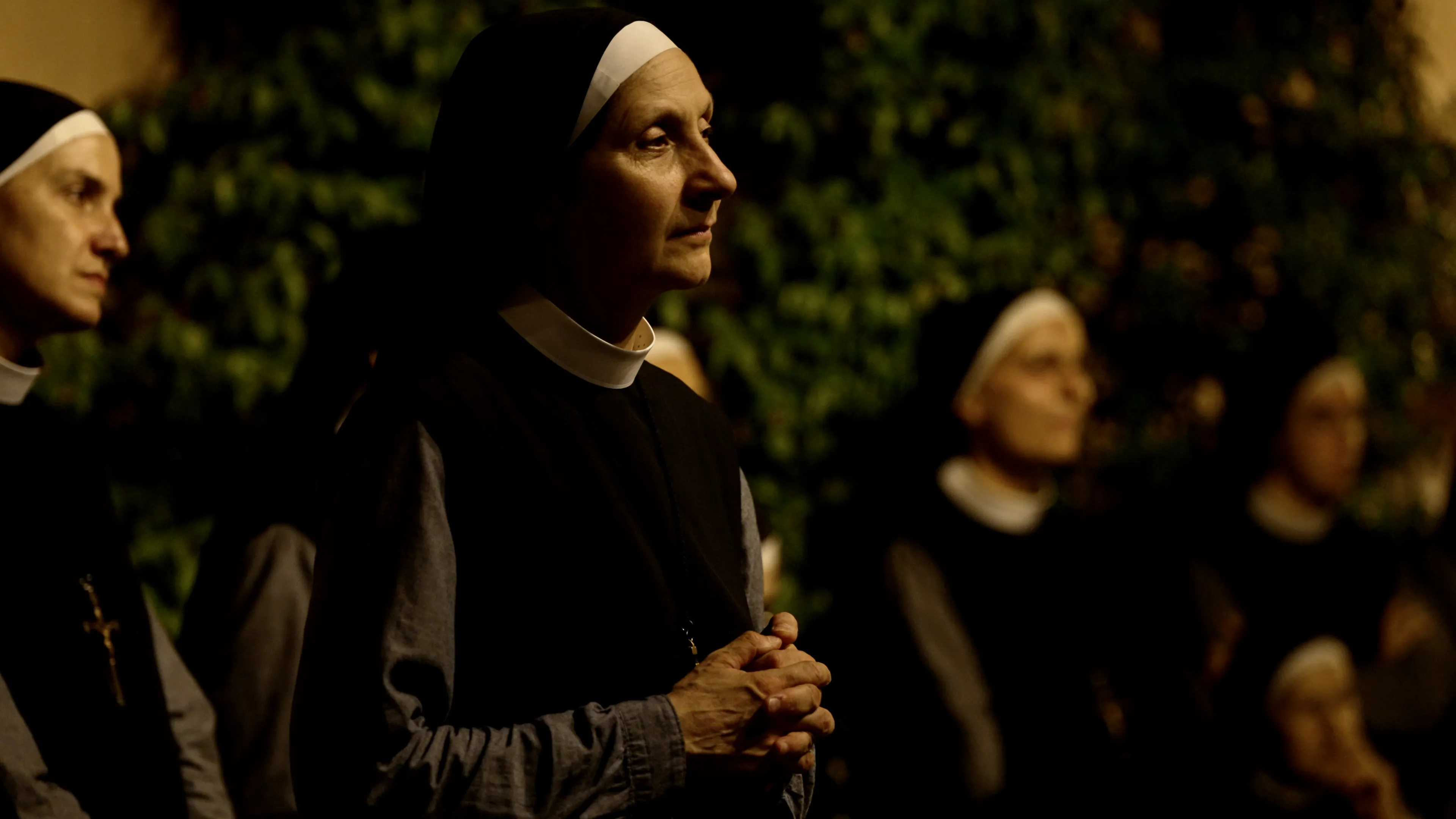
Religious sisters participating in a candlelight procession on July 14, 2023, in Bagnoregio, Italy, in honor of the town’s patron saint and native son, St. Bonaventure. Patrick Leonard/CNA
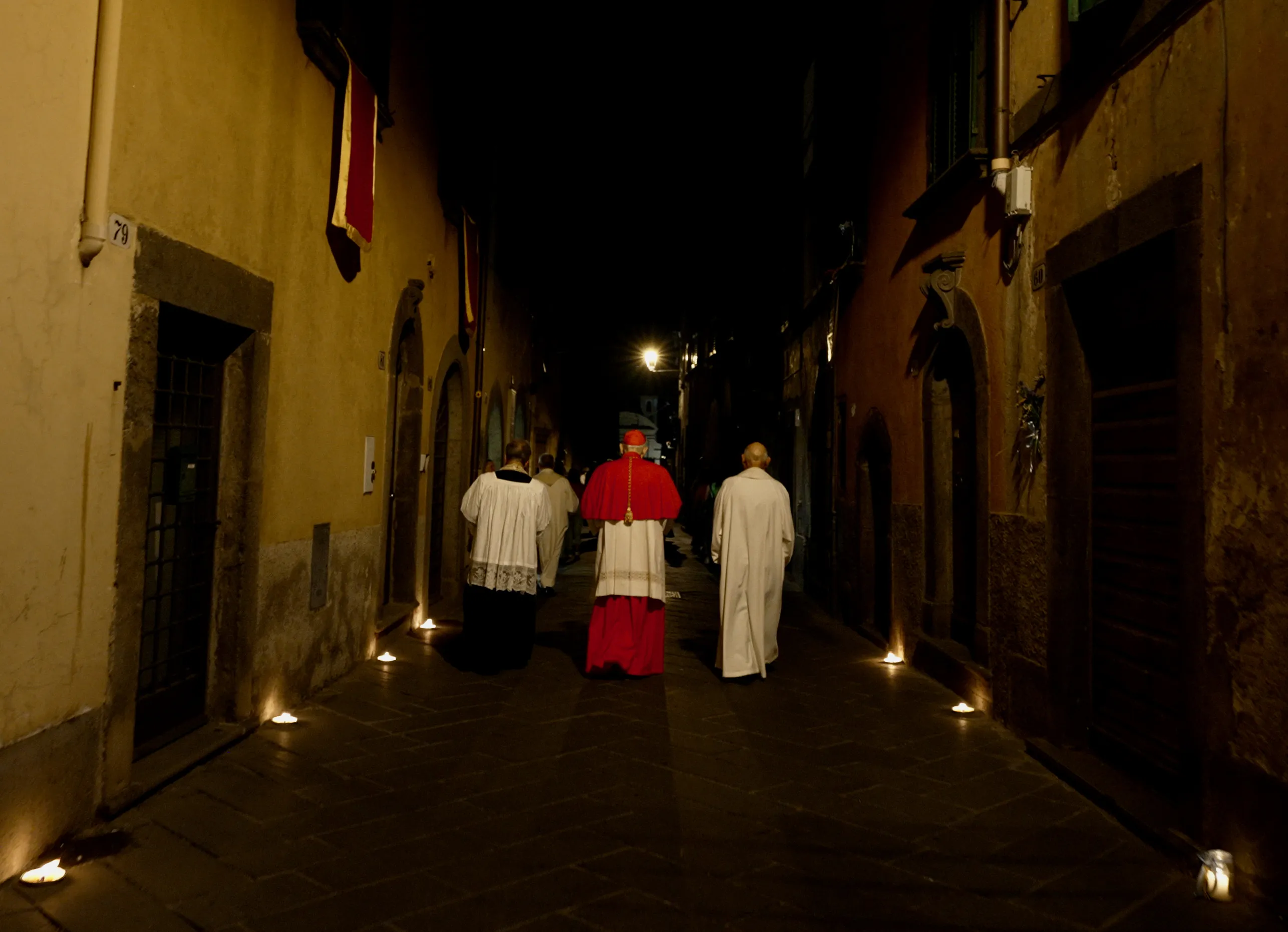
Friday’s procession, which commenced at the cathedral, was led by the town’s confraternities of the Most Blessed Sacrament, St. Francis, and St. Peter. Following them were a brass band, a statue of the saint adorned with flowers and carried by four men, and a priest carrying the holy arm. Then came Cardinal Fortunato Frezza, numerous priests, and this year’s first communicants, followed by other religious and residents.
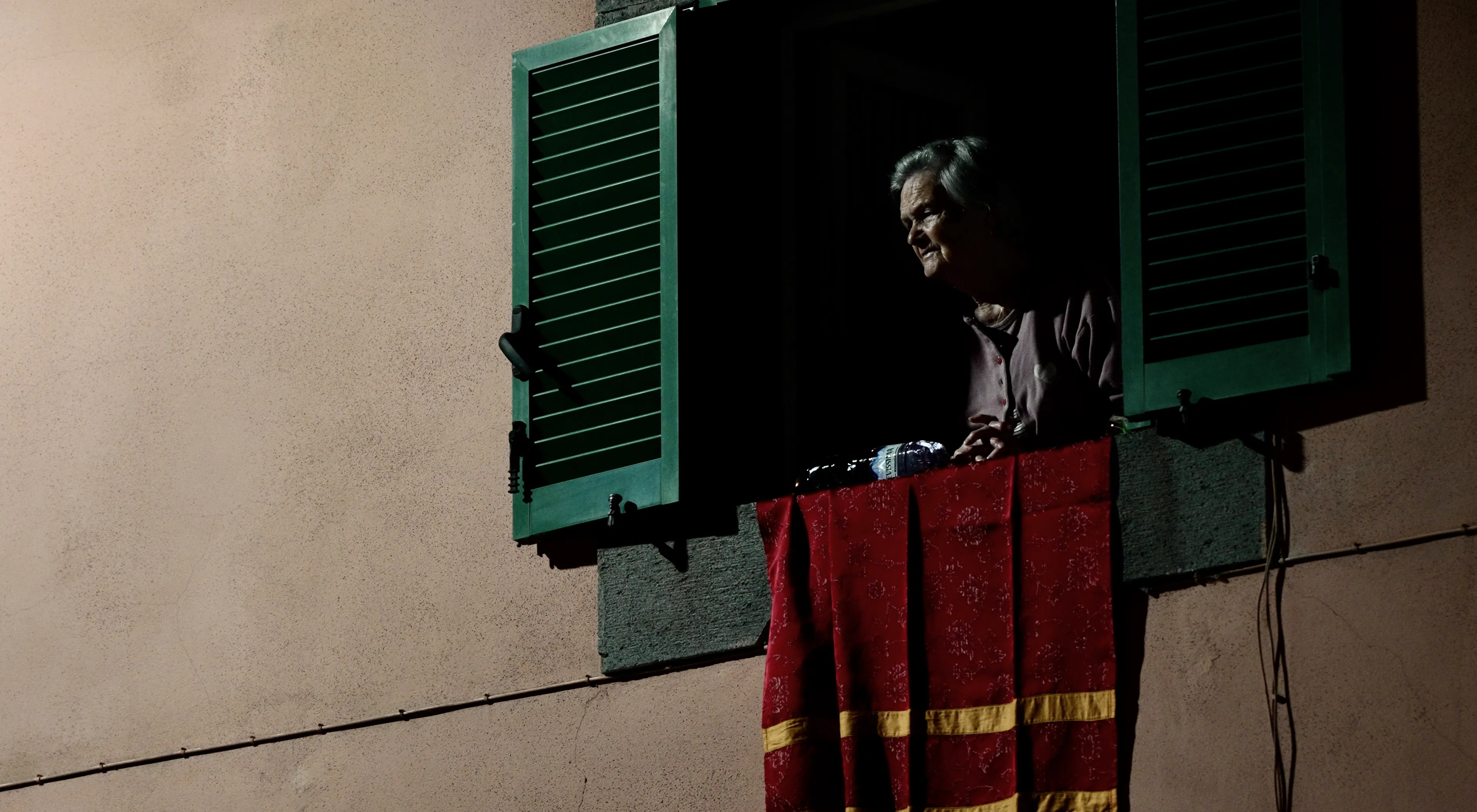
As the participants made their way down the candlelit Via Roma, onlookers watched from windows, balconies, and restaurants bustling with patrons on a warm summer evening.
A resident of Bagnoregio, Italy, watches a candlelight procession through the streets of the town in honor of its patron saint, St. Bonaventure, on July 14, 2023. Patrick Leonard/CNA
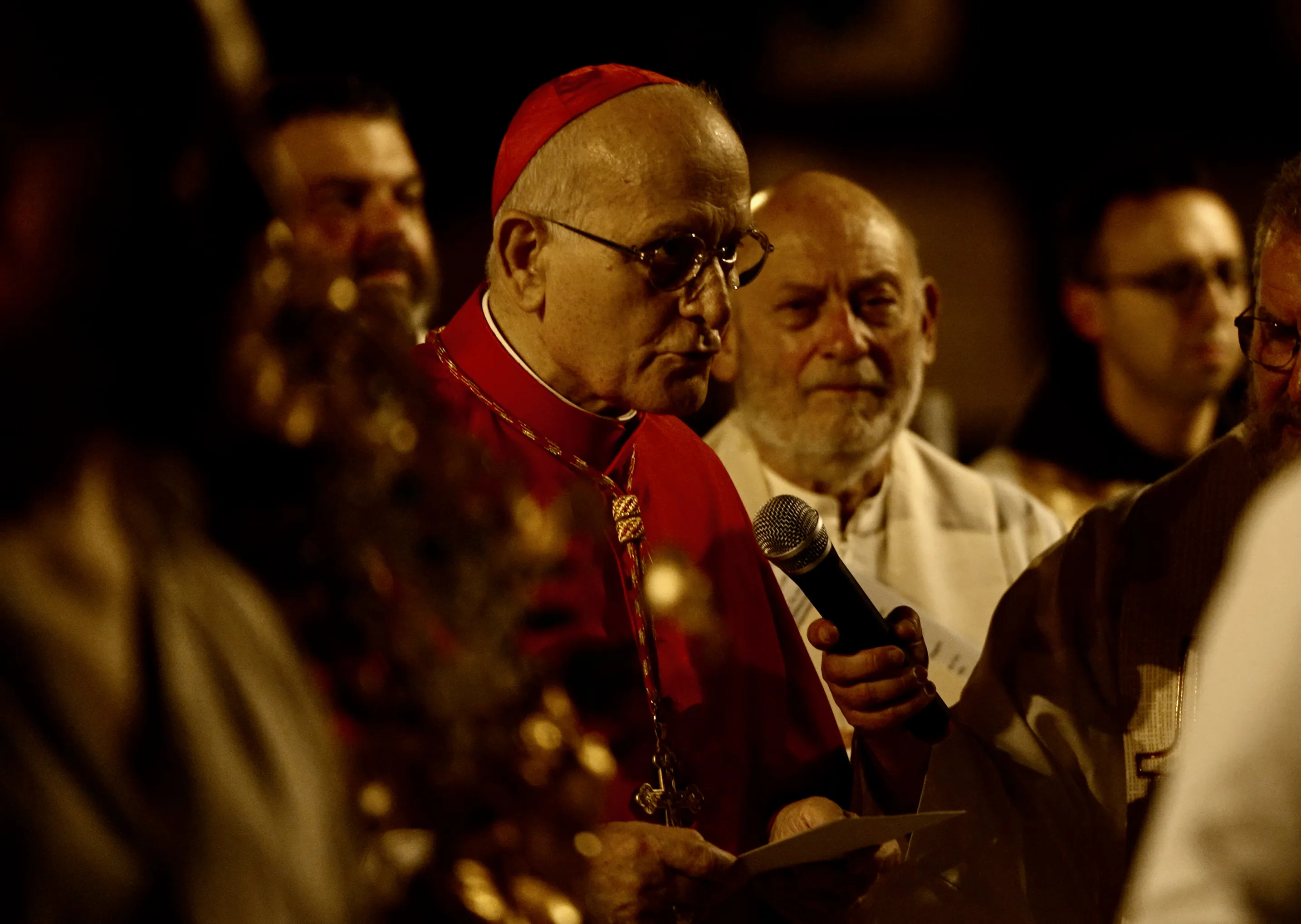
Arriving at the piazza Sant’Agostino, Cardinal Frezza, standing beneath a monument of Bonaventure, offered a brief reflection on the importance of the saint and of procession as a form of popular devotion.
The relic “gives us strength to sustain our weakness … It is a relic that is alive and active,” observed the cardinal, a noted biblical scholar. It is “an arm that teaches,” he said, the very right arm that “wrote his works of great intellect and wisdom.”
The cardinal closed his brief catechesis by saying “our life is a holy procession, an itinerary of the mind towards God.” Here he was playing on the title of one of Bonaventure’s most important theological works, Itinerarium Mentis in Deum, “The Journey of the Mind to God.” Following a benediction with the relic, the procession continued down Via Fidanza, looping around the main gate and then back up Via Roma to the cathedral. The faithful entered and Cardinal Frezza imparted the final blessing, again with the relic.
Cardinal Fortunato Frezza leads a prayer service on July 14, 2023, in Bagnoregio, Italy, in honor of the town’s patron saint and native son, St. Bonaventure. Patrick Leonard/CNA
The Franciscans’ ‘second founder’
Born in 1217 (or 1221, according to some accounts) as Giovanni Fidanza in Civita di Bagnoregio (then in the territory of the Papal States), he displayed great acumen and intellectual curiosity. He was, however, plagued by ill health in his youth. His mother called upon the intercession of St. Francis of Assisi, and he was, according to the legend, miraculously cured.
The young Bonaventure studied at the nearby Franciscan convent. Given his great talent, at 18 he left Bagnoregio to study in Paris, then the intellectual capital of Europe.
He joined the Franciscan Order of Friars Minor in 1243. At the University of Paris, he studied under the renowned Franciscan theologian Alexander de Hales; in 1257 he earned his teaching license (magister cathedratus) in theology there. Bonaventure was a contemporary of St. Thomas Aquinas, whom he met as they were both teaching at the university. The two future doctors of the Church were united in defending the then-nascent Franciscan and Dominican orders, whose orthodoxy was called into question by the secular clergy.
A statue of St. Bonaventure is shown during a candlelight procession on July 14, 2023, in Bagnoregio, Italy, his birthplace, on the vigil of the saint’s feast day. Patrick Leonard/CNA
Bonaventure’s teaching career was cut short; in 1257 when he was appointed minister general of the Franciscan order, which was then plagued by internal factionalism due to divergent understandings of Francis’ spirituality following his death.
To rectify this, Bonaventure spent much time traveling around Europe to help maintain the unity of the order. In 1260 went to Narbonne, France, to solidify the rule of the order and that same year he started writing (which was completed three years later in 1263) the Legenda Maior, “The Major Legend,” considered the definitive biography of St. Francis. For Bonaventure, the key to righting the order lie in Francis’ ideals of obedience, chastity, and poverty, which he re-established as the Franciscans’ guiding principles.
A woman venerates the “braccio santo,” or holy arm, of St. Bonaventure on July 14, 2023, the vigil of the saint’s feast day, at the Cathedral of San Nicola and San Donato in his hometown, Bagnoregio, Italy. Patrick Leonard/CNA
Enduring influence
In addition to his contributions as the “second founder” of the Franciscans, Bonaventure had a profound impact on the papacy. Following the chaos of the three-year conclave in Viterbo that elected Gregory X in 1271 (the longest papal election in the history of the Church), the new pontiff, also a Franciscan, entrusted Bonaventure with preparing many of the key documents for the Second Council of Lyon (1272-1274) which sought to unify the Latin and Greek Churches.
He was made a cardinal in the consistory of May 28, 1273. He did not, however, see the end of the council, as he died on July 15, 1274. He was canonized in 1482 by Pope Sixtus IV and proclaimed Doctor of the Church by Pope Sixtus V in 1588.
A candlelight procession through the streets of Bagnoregio, Italy, on July 14, 2023, honors the town’s native son and patron saint, St. Bonaventure. Patrick Leonard/CNA
In 2009, Pope Benedict XVI, who was a great admirer of Bonaventure, visited the saint’s birthplace to venerate the relic and address the faithful. In 2010 he dedicated three consecutive Wednesday audiences on the saint, outlining the importance of his governance of the Franciscans and his theological, philosophical, and mystical works. Bonaventure’s writings, Benedict observed, demonstrate that “Christ’s works do not go backwards, they do not fail but progress.”
“For St. Bonaventure, Christ was no longer the end of history, as he was for the Fathers of the Church, but rather its center; history does not end with Christ but begins a new period,” Benedict said.
“The following is another consequence: Until that moment the idea that the Fathers of the Church were the absolute summit of theology predominated, all successive generations could only be their disciples,” Pope Benedict explained.
“St. Bonaventure also recognized the Fathers as teachers forever, but the phenomenon of St. Francis assured him that the riches of Christ’s word are inexhaustible and that new light could also appear to the new generations,” he said. “The oneness of Christ also guarantees newness and renewal in all the periods of history.”




Leave a Reply