

St. Charbel Trail is a pilgrimage and hiking trail that crosses some of Lebanon’s most striking natural and spiritual landscapes, linking monasteries, villages, and historic sites.
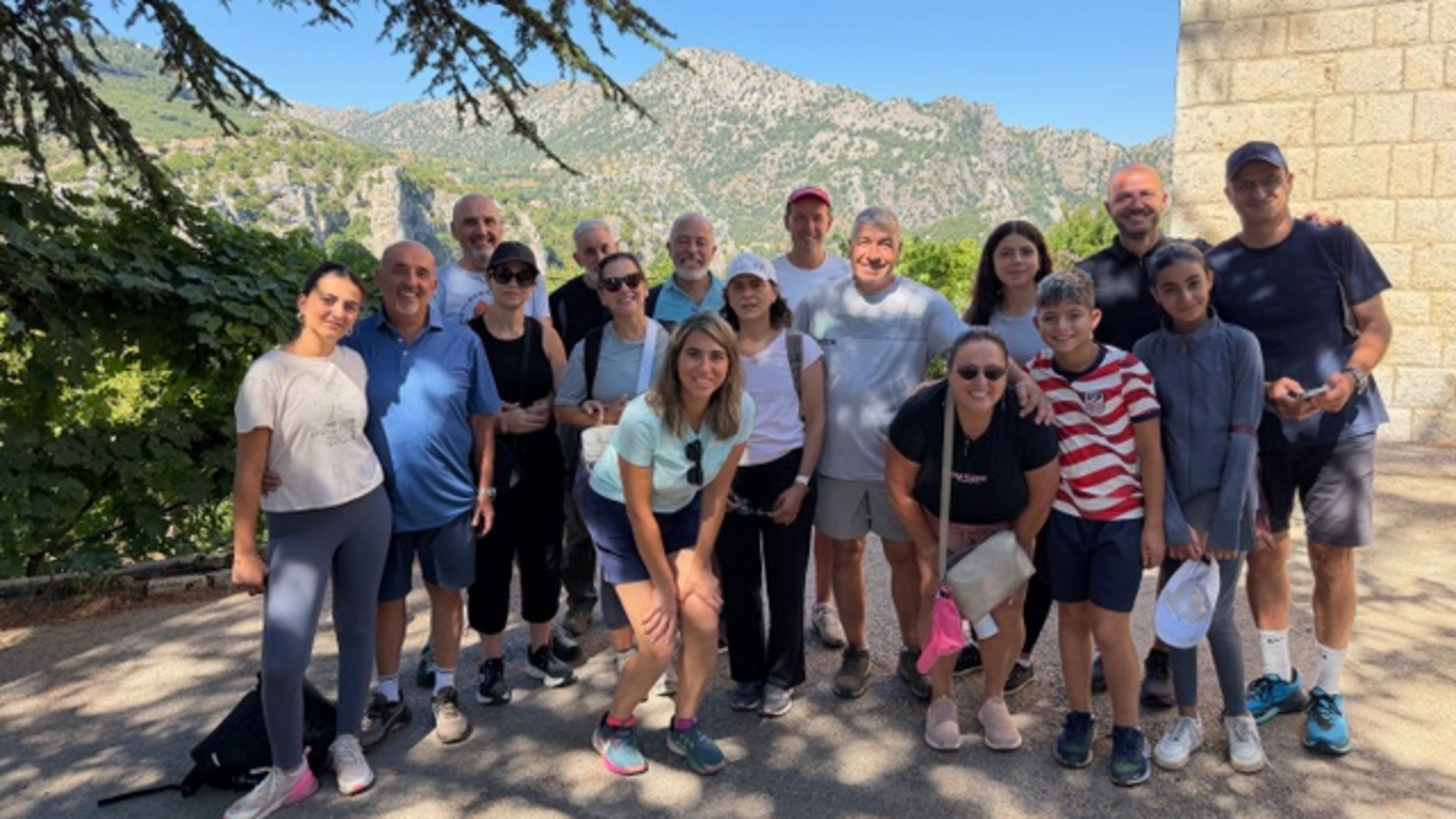
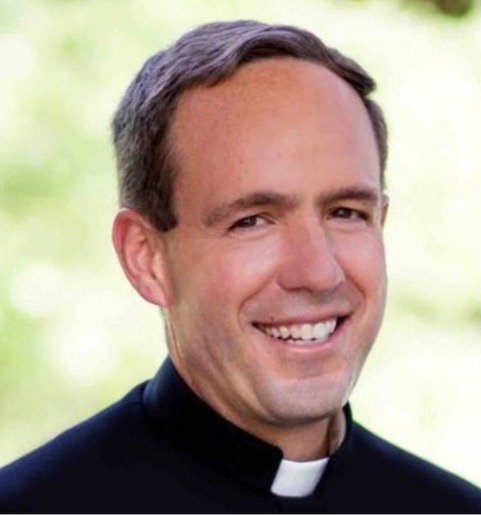
American priest Father Michael Sliney, LC, recently took part in a pilgrimage along the St. Charbel Trail in Lebanon and said he was deeply marked by the experience, describing the discovery as a “hidden gem.” Now back in the United States, he said he hopes to promote the trail among American Catholics, especially Lebanese Americans, and encourage them to experience it for themselves.
St. Charbel Trail, known in the region as Darb Mar Charbel, is a 80.8-mile pilgrimage and hiking trail that crosses some of Lebanon’s most striking natural and spiritual landscapes, linking monasteries, villages, and historic sites associated with St. Charbel and the Maronite tradition.
The trail is currently divided into two main routes. The northern route stretches roughly 50 miles, beginning at the Monastery of St. Anthony of Qozhaya in the Qadisha Valley and continuing through sites including St. Charbel’s birthplace and the Monastery of St. Maroun in Annaya, where Pope Leo XIV prayed during his visit to Lebanon in 2025.
The southern route covers approximately 31 miles, beginning at the Maronite Patriarchal See in Bkerke and passing through Harissa, home to the Shrine of Our Lady of Lebanon, one of the country’s most important Marian pilgrimage sites, and ending at St. Charbel’s tomb in Annaya.
A landscape shaped by centuries of faith
Sliney, who has spent more than 27 years in priestly ministry serving young people and families in Washington, D.C., and New York City, said the trail “creates a peaceful, silent environment where you can actually hear God.”
That sense was especially strong, he said, in the Qadisha Valley, also known as the Valley of the Saints, a historic center of Maronite monastic life. “I felt this is where the heart of God is beating,” he said. “It’s beating in the Valley of the Saints. It’s beating in these monasteries.”
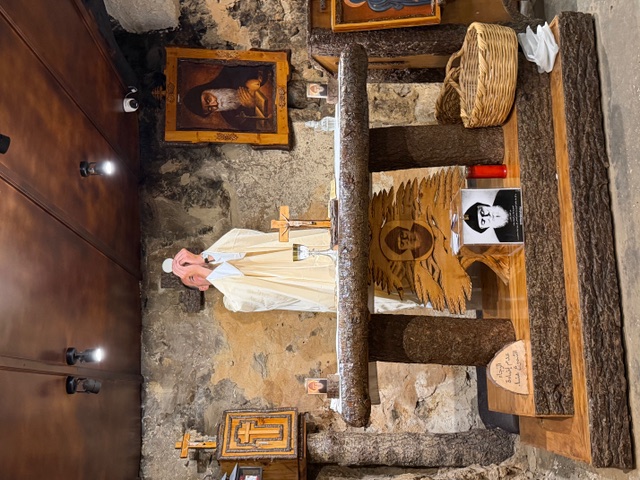
For Sliney, walking through the valley felt “almost like going back to a time capsule.” He said he was struck by the continuity of monastic life there, where Christians have prayed for centuries in monasteries and caves carved into the mountains.
At the Cave of St. Anthony, which dates back to the fourth century, that history became particularly tangible. “For 1,700 years people have been coming here to pray,” he said. “It’s hard to imagine… really since the time of Christ almost, people have been praying in that particular cave.”
The people along the trail
More than the monasteries, caves, and churches, what affected Sliney most during the pilgrimage, he said, were the people he encountered, especially the monks and nuns.
He described the nuns he met as “dynamic,” “happy,” and “joyful.” The monks left a similar impression. “I was very, very impressed by the fervor, the humility, the joy, and the dedication of these monks,” he said. “I really believe the Valley of the Saints is such a holy place because of these monks and these nuns.”
Sliney said he was also deeply marked by the resilience, hospitality, and spirit of service he encountered among Lebanese people more broadly.
He recalled being welcomed to celebrate Mass in the house of St. Charbel and being invited to wear Maronite vestments. He was also moved by small, personal gestures from people he had only just met.
At one monastery, a monk gave him a bag of medals of the saints that he had collected since childhood, asking him to distribute them among the pilgrims. The monk then offered him a rosary he had made for himself.
Family life also stood out to him. He recalled entering restaurants and seeing families of 15 or 20 people gathered around the same table.
A path back to faith and heritage
Sliney wants more people to experience the trail. He said he believes American Catholics would benefit from making the pilgrimage but says Lebanese Americans in particular should be among the first to rediscover it.
“I think they need to rediscover the beauty of their faith and the beauty of their heritage,” he said. “I think it would spark a faith in them that needs to be rekindled.”
While acknowledging the opportunities American life has offered many Lebanese families, Sliney said he worries that they can also become absorbed by “materialism” and “noise.”
“I think Lebanon — the peace, the serenity, the simplicity of this country and of the people — is something not just they need, but I think we need as Americans,” he said. “Our culture could use the silence so we can hear the whisper of God.”
For Lebanese living abroad, he sees the trail as more than a pilgrimage route. He believes it could become a way of reconnecting them with a faith and heritage that may have weakened across generations. “I think it would spark a faith in them that needs to be rekindled,” he said.
“I really believe St. Charbel is behind this trail. Our world today needs to learn from the simplicity and the humility and the joy of the monks and of the nuns and of the people of Lebanon. And I think the trail will allow them to experience that.”
Is Lebanon safe for pilgrims?
Sliney also pushed back against perceptions of Lebanon as uniformly unsafe. He said he felt safer in Lebanon than in Washington, D.C., while acknowledging the ongoing war in the south, which he did not visit.
“Lebanon being a very unsafe [place] to go to is a false narrative. And I feel it does an injustice to the country,” he noted.
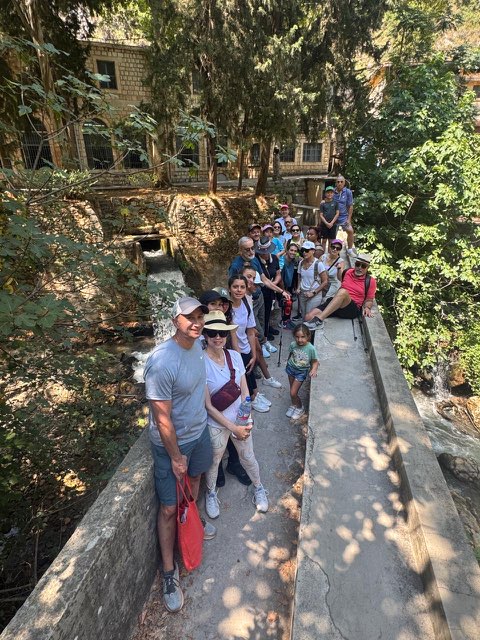
He also described the hiking as “pretty intense,” with steep climbs and descents — despite being a marathon runner himself.
As parts of the trail are still being developed and funds are being raised, he said he plans to return to Lebanon to complete it once more sections are open.
If you value the news and views Catholic World Report provides, please consider donating to support our efforts. Your contribution will help us continue to make CWR available to all readers worldwide for free, without a subscription. Thank you for your generosity!
Click here for more information on donating to CWR. Click here to sign up for our newsletter.

Leave a Reply