


Distribution Service: Netflix
MPAA Rating: PG-13
Reel Rating: 3 out of 5 reels
It usually takes around half a decade for Hollywood to catch up to current events. After 9/11, it was only a matter of time before the events would enter cinematic literature, and, sure enough, United 93 and World Trade Center came out in 2006.
As such, there is now a small trickle of films that deal with COVID-19 and all the madness that ensued. The Last House feeds into these fears by setting up a robust horror premise that unfortunately botches the last act, leaving a film that begins as a decent Saturday night thriller floundering at the end.
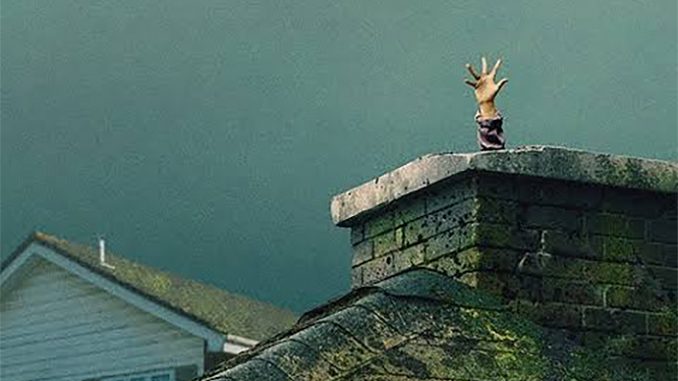
Jason (Wagner Moura) is fishing on a perfectly ordinary day, but decides to head home when he sees a strange storm on the horizon. As the rain begins falling, he enters his house for lunch with his wife Ann and children Graham and Ruth. When he tries to leave a few hours later, he discovers that all the doors are mysteriously stuck. So are the windows. Even when he tries drilling holes or smashing through the wall, nothing works. The rain has somehow made it impossible for anyone to leave the premises.
Fortunately, there is still electricity and water (for the moment), and air seems to permeate. Yet as the days turn to weeks, the reality of physical survival arises, not to mention the constant mystery of what has happened and who is behind it.
One of the film’s strengths is watching the progression of the characters and their focus throughout the story. First, there is an assumption that this will all go away soon. The family cooks nice meals, watches movies, does homework, and tinkers on projects. The enemy is boredom, and their situation is an impromptu vacation. As the calendar lengthens, concerns turn to the essentials, especially food and water.
At this point, the house feels like a deserted island, where every resource must be managed. Now the enemy is starvation. They create gardens in the floorboards, systems to collect rainwater, and even traps for outside animals. The family finally reaches a point of equilibrium, but discovers survival isn’t enough. The children want to experiment and pursue understanding why they are trapped. There are strange beings that sometimes appear in the rain that may provide answers.
Jason, however, doesn’t want to rock their unsteady boat and discourages such inquiry. Yet without a reason to survive, what is the point?
This mirrors the experience of the 2020 lockdowns. Most people, including myself, fell into the trap of “two weeks (or 15 days) to slow the curve.” We accepted quarantine and solitude as a temporary measure. Once it became clear that such was not the case, people found ways to attempt to restart their lives, including social distancing, masks, vaccine mandates, and hybrid classrooms. When people pushed for a return to normal, they were often met with harsh accusations of recklessness, like Jason to his children.
Security became the central value rather than the pursuit of truth, goodness, and God’s kingdom. Every action in the world involves risk, but we must live our vocations in this world, trusting in God rather than our own devices.
After these wonderfully developed themes begin to take form, however, the film suddenly goes off the rails in the third act. Without spoiling too much, the film suddenly becomes a creature feature with a strange PETA-esque pro-environmental message that ignores the setup almost entirely.
It’s hard to pinpoint the cause of this misstep. Perhaps the writers started a good story but were unsure how to end it. Perhaps the logical conclusions of the lockdown metaphor were too conservative and made the producers uneasy.
At any rate, the ending doesn’t ruin the film entirely but makes the whole thing rather silly. Someday cinema might get a great COVID allegory, as the Red Scare did with High Noon. But that day is still in the future.
If you value the news and views Catholic World Report provides, please consider donating to support our efforts. Your contribution will help us continue to make CWR available to all readers worldwide for free, without a subscription. Thank you for your generosity!
Click here for more information on donating to CWR. Click here to sign up for our newsletter.


Leave a Reply