

 By
By Makeshift public memorials are a way for friends and family to commemorate a loved one who died at that location, often a street or road, and in the case of murder, can serve as a call for justice.

Small memorials adorned with crosses, candles, flowers, images of the Virgin Mary, and plaques with a deceased person’s name are part of the urban landscape in some Latin American cities. These memorials are known as cenotaphs, erected to keep alive the memory of those who perished, usually in a violent way.
The term “cenotaph” comes from a Greek expression meaning “empty tomb” and traditionally refers to a monument built to honor a person whose remains are buried elsewhere.
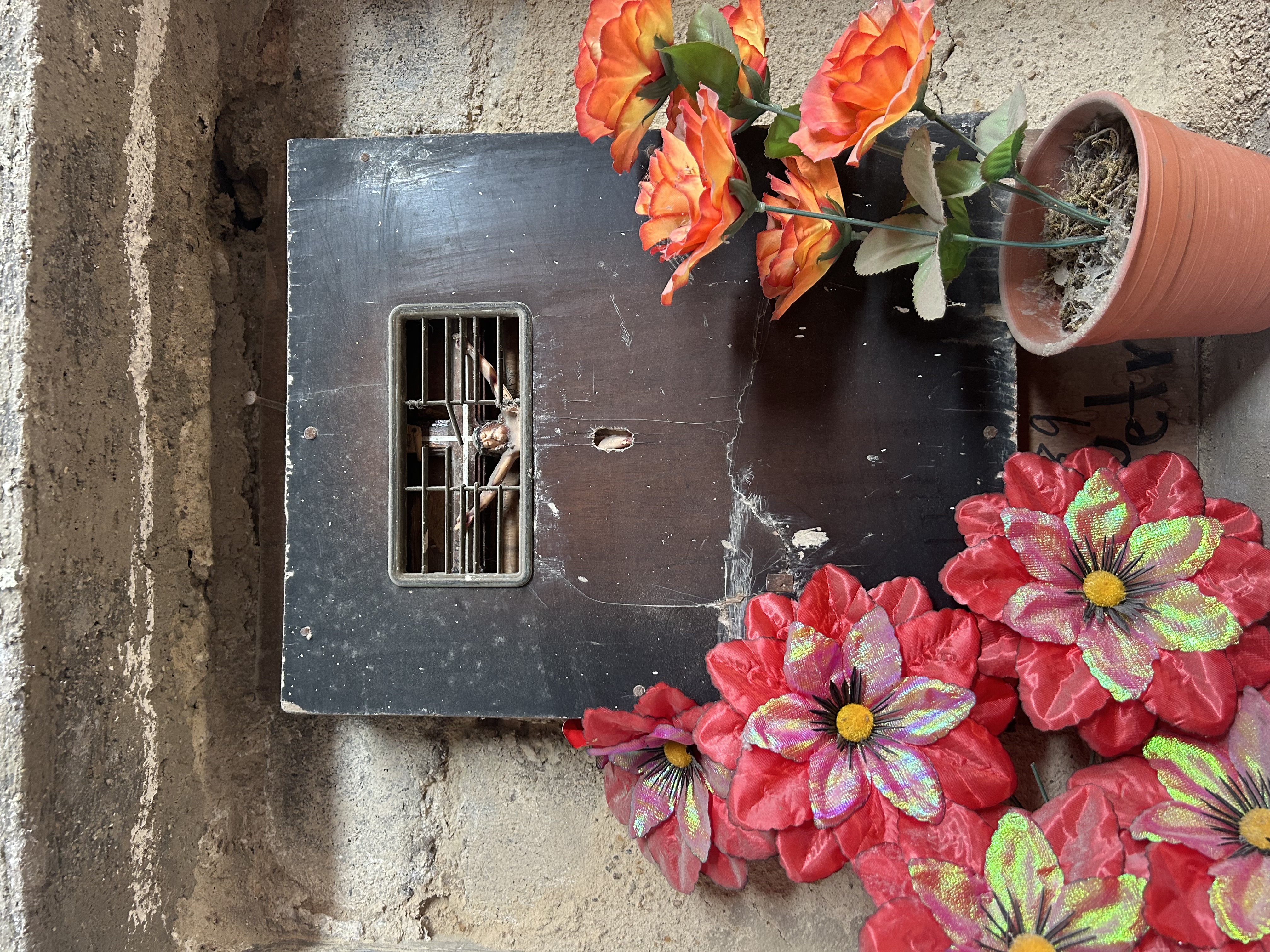
It is common to find these small structures on streets, sidewalks, medians, and highways in countries such as Peru, Colombia, or Mexico, usually placed to mark the location where a person lost his or her life.
In an interview with ACI Prensa, the Spanish-language sister service of EWTN News, Father Roberto Delgado Suárez, a priest of the Diocese of Nezahualcóyotl in Mexico specializing in grief ministry and palliative care, explained that through Christ’s sacrifice, the cross was transformed from “a sign of condemnation into a sign of salvation.”
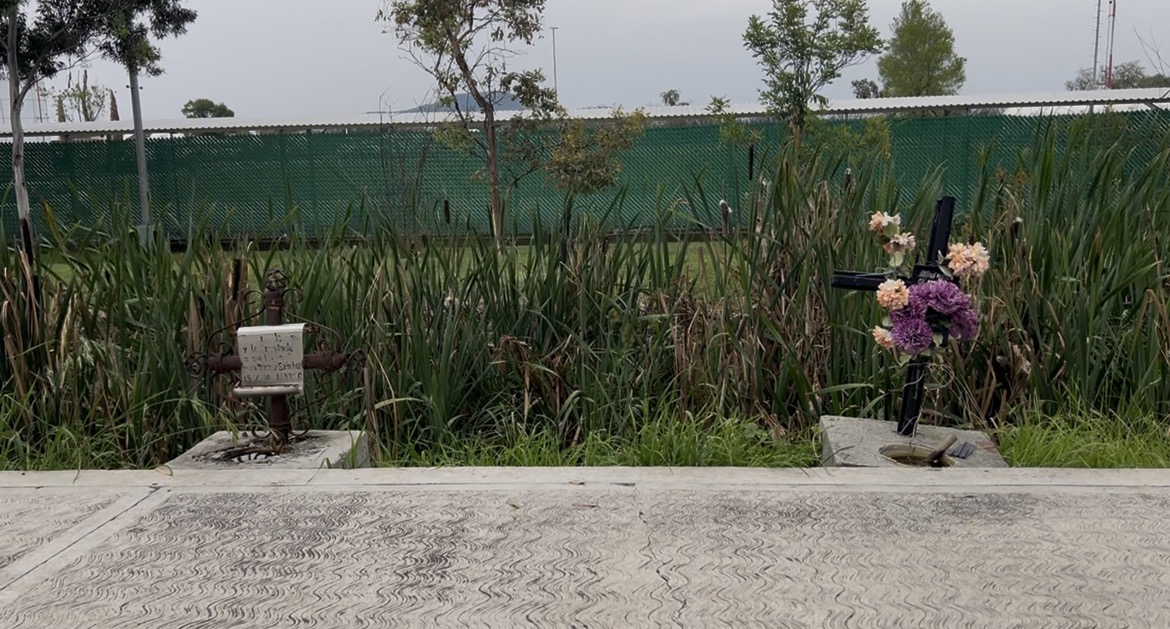
He noted that such memorials can help people reinterpret the site where their loved one died, turning a space associated with sorrow into “a sacred place.” He pointed out that, especially for families, the cenotaph serves as a way to express “This is where I last saw my son; this is where my son was — here in this world.”
On the other hand, Delgado noted that for some people, a cenotaph can represent a “call for justice,” as is the case with “mothers or families searching for their children.” In this way, the memorials can take on a dual meaning: an expression of faith, but also “a sign [calling for] justice.”
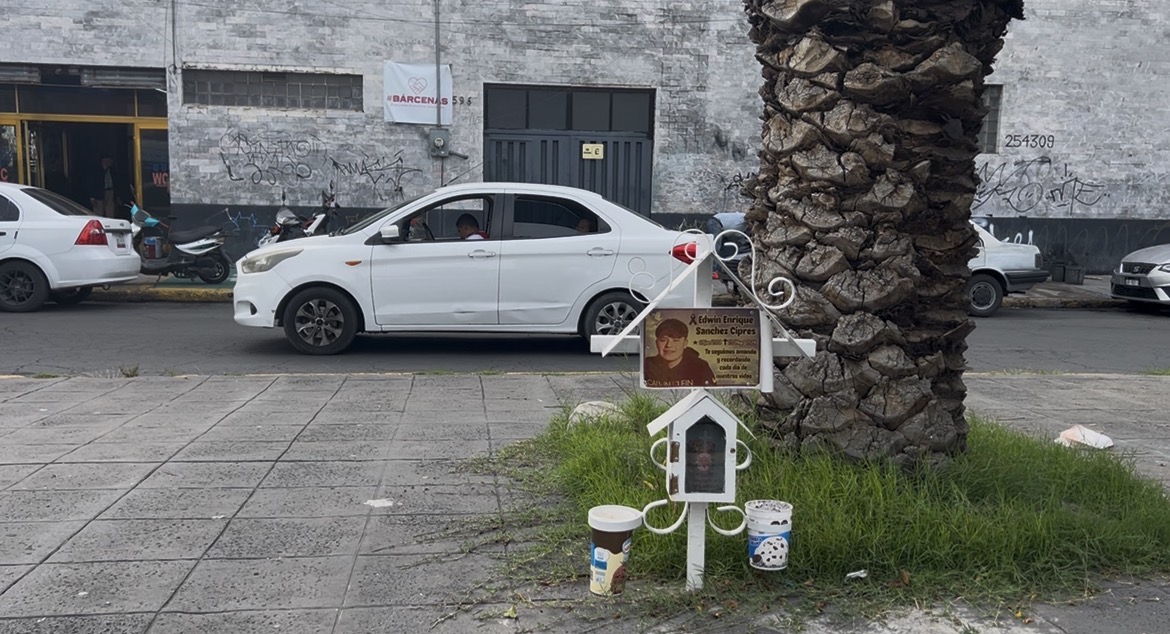
Although the cenotaphs are neither cemetery monuments nor crypts, the priest urged people to show them due respect, as they are “signs that point us toward God.”
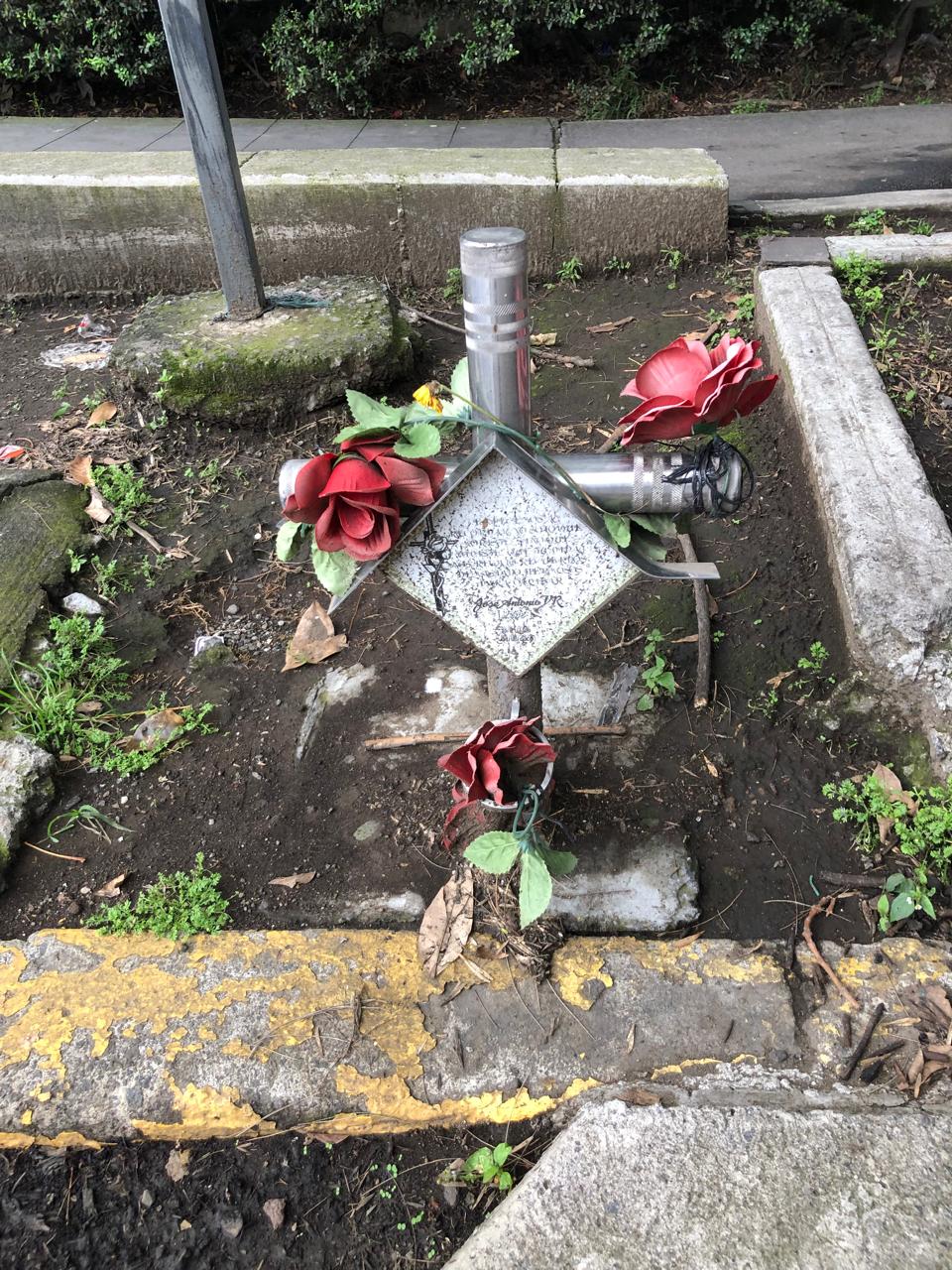
The memorials are built in a variety of ways. Some consist solely of a cross and a plaque bearing the deceased personʼs name; others include photographs, flowers, candles, or religious images. In some cases, families erect larger structures resembling a cemetery monument along the roadside.
Guillermina Hernández Martínez, a psychologist and specialist in thanatology (the study of death, dying, loss, and grief), said the significance of these memorials varies.
In an interview with ACI Prensa, she noted that “sometimes, out on the streets, the crosses are now forgotten,” while others remain tended for years.
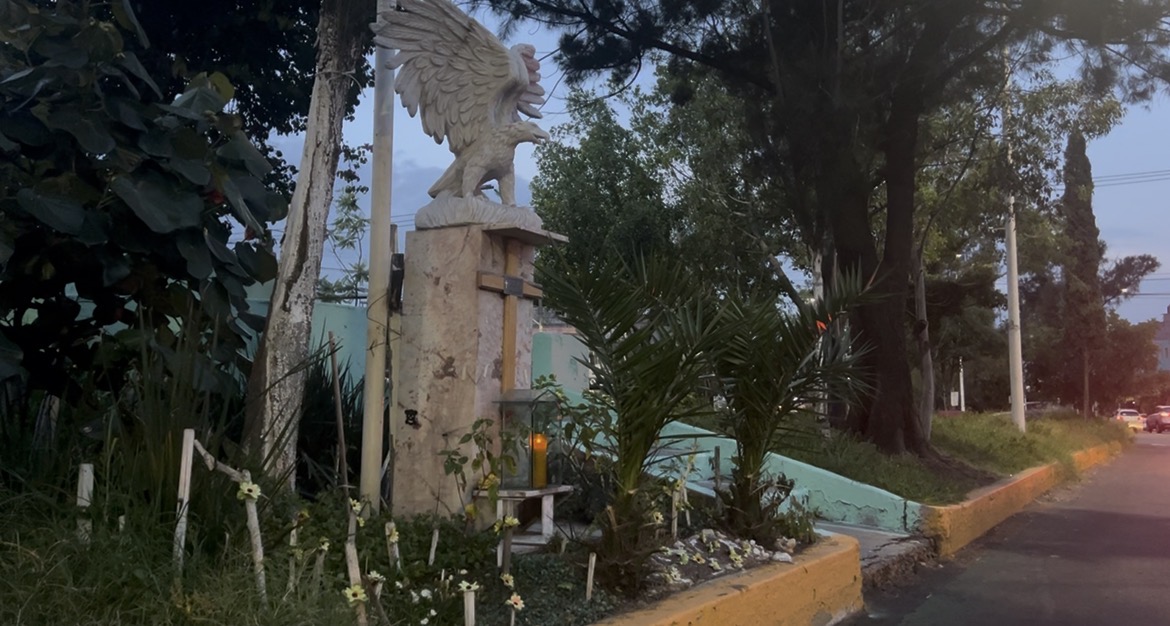
Hernández warned that in some cases, too much of a bond to the location of the memorial could hinder emotional healing, as “people often continue to idealize [the deceased] and do not allow themselves to process their grief.” She emphasized the importance of psychological and thanatological support, particularly in the wake of a violent death.
Grief, she explained, is a process requiring time and support, yet one must always remember that “it is part of life,” and for Catholics it is “another step toward being with God.”
This story was first published by ACI Prensa, the Spanish-language sister service of EWTN News. It has been translated and adapted by EWTN News English.
If you value the news and views Catholic World Report provides, please consider donating to support our efforts. Your contribution will help us continue to make CWR available to all readers worldwide for free, without a subscription. Thank you for your generosity!
Click here for more information on donating to CWR. Click here to sign up for our newsletter.

Leave a Reply