

 By
By The proposed legislation would fast-track euthanasia requests, effectively reducing the opportunities for appeals and extended legal challenges.
Just months after 25-year-old Noelia Castillo died by euthanasia following a protracted and highly publicized legal battle, Spain’s Congress of Deputies began debating a bill on June 11 that would dramatically limit judicial review in future euthanasia cases.
The proposed legislation would fast-track euthanasia requests, allowing only a single hearing in a lower court before the decision could be appealed solely to the Constitutional Court, effectively reducing the opportunities for extended legal challenges.
The vote to consider the proposal, spearheaded by the Catalan regional parliament, took place just three days after members of both houses of Spain’s legislature gave a seven-minute standing ovation to Pope Leo XIV, who in his historic address asked: “If life ceases to be recognized as a fundamental value, what future can our societies have?”
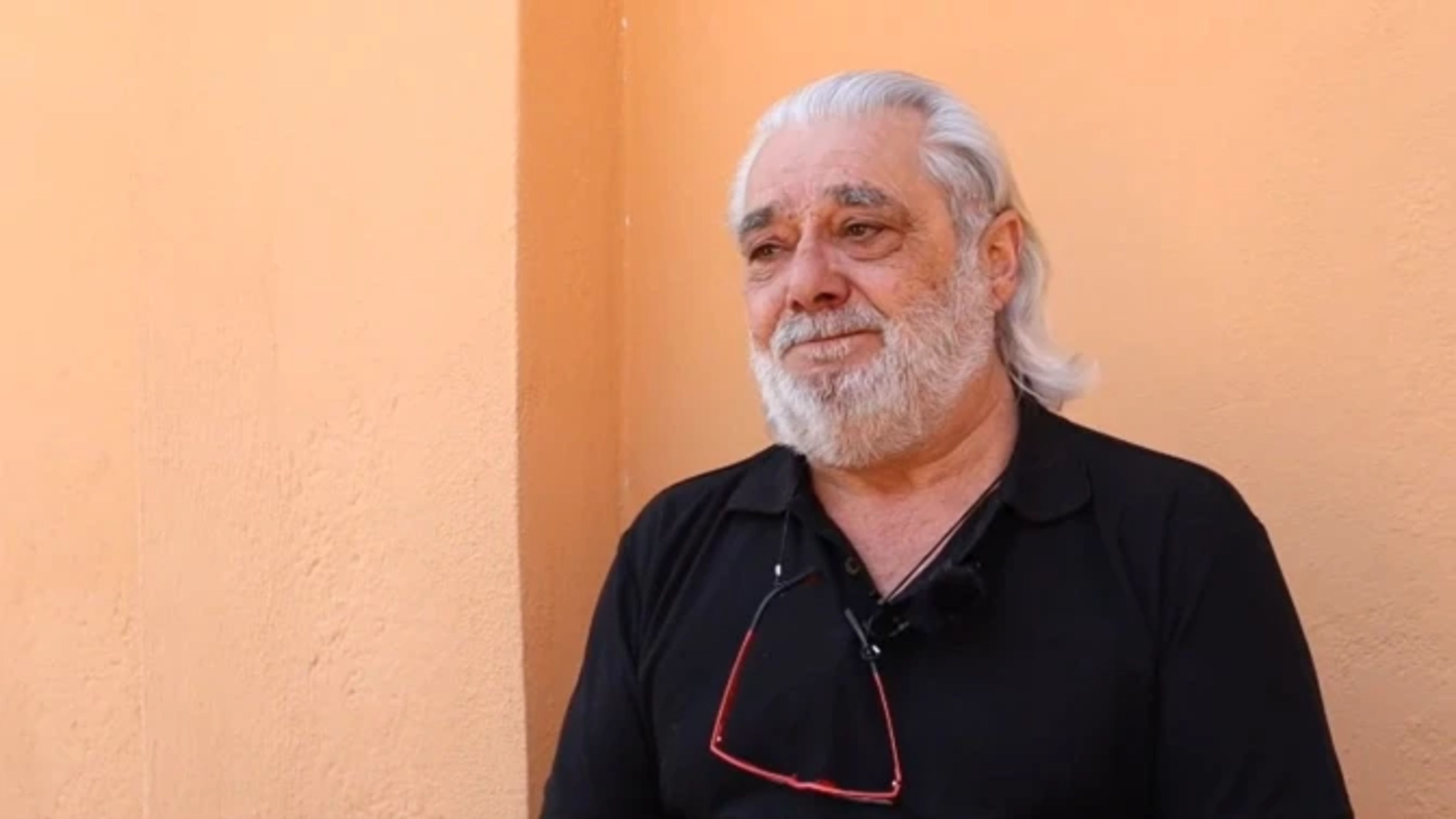
Coinciding with this legislative initiative, the Christian Lawyers Foundation has released a video featuring the father of Noelia Castillo, the young woman who was euthanized on March 23 following a two-year legal battle led by her father, Javier Castillo.
‘An injustice has been done to Noelia’
Sources at the foundation told ACI Prensa, the Spanish-language sister service of EWTN News, that this marks the “first and only” time Castillo will make a public statement, since from the time his daughter’s case became known and even after her death, he hasn’t spoken out.
“An injustice has been done to Noelia,” declared Castillo, who emphasized that “more resources could have been allocated” to address her psychological and psychiatric ailments. In contrast, he said the state was “very efficient” when it came to administering euthanasia, essentially “to get the problem off their hands.”
In his opinion, Noelia managed to convince the doctors that her case met the criteria set out in the euthanasia law passed in 2022: “She deceived them very effectively, and they let themselves be deceived,” said Castillo, who also argued that the assessment of euthanasia cases should include the parents’ perspective.
Castillo decried the fact that, when he was in Noeliaʼs room before her death and the members of the Guarantees Committee provided for in the euthanasia law arrived, “they kicked me out of the room” and didn’t give him information when he asked for it.
No one in the family wanted euthanasia for her
Recalling his daughterʼs death, Castillo burst into tears, and overcome with emotion, said: “I was able to see her in the box, I said goodbye to her and here I have her” he said, pointing to his head, indicating he will remember her forever.
“I would be the happiest man alive if she had wanted to keep living with me and if I could have continued looking after her until the day I died,” he said, lamenting that as soon as he decided to turn over the case to the Christian Lawyers Foundation, his daughter decided to shut him out.
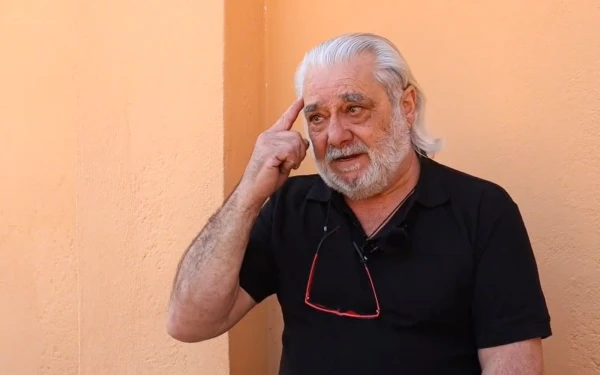
“The moment she saw that her father was opposed, that I was trying to stop the euthanasia, she completely cut me off, even though up until then, I had been with her every day of the week,” he recounted.
“Right up to the last moment, none of us in the family lost hope … not one of us,“ he said. ”Neither mother, nor father, nor sisters wanted euthanasia; each of us, in our own way and with our own lives, tried to prevent this from happening.”
Following Noelia’s death, which came after a long legal battle, Castillo admitted to having mixed feelings: “Powerless, like a failure. We lost, yet we won. I have to say that Christian Lawyers has prevailed over all those people who did nothing for her. Yes, they certainly did their homework,” he said.
Castillo expressed his conviction that “my daughter is now in heaven,” while also acknowledging that the legal battle “gave to me two years of my daughter’s life. Two years. Do you know what two years of life means? A lot. A whole lifetime.”
‘Fast track’ procedure
The legislative proposal taken under consideration June 11 aims to mandate a “fast track” procedure for appeals in euthanasia cases.
Furthermore, under the proposed legislation, such appeals would only be filed with the Administrative Disputes Chamber of the High Court of Justice of an autonomous community, thereby bypassing trial courts and the provincial courts.
Spain has 17 autonomous communities, the rough equivalent of states in a federal system.
The appeals process would be conducted in only one court without any right of appeal, save for an “amparo” appeal before the Constitutional Court, which is a type of appeal that is rejected in 98% of cases, as detailed in the explanatory memorandum of the bill.
This story was first published by ACI Prensa, the Spanish-language sister service of EWTN News. It has been translated and adapted by EWTN News English.
If you value the news and views Catholic World Report provides, please consider donating to support our efforts. Your contribution will help us continue to make CWR available to all readers worldwide for free, without a subscription. Thank you for your generosity!
Click here for more information on donating to CWR. Click here to sign up for our newsletter.

Leave a Reply