


 By
By EWTN News speaks with Jesuit Father Richard A. D’Souza, director of the Vatican Observatory since September 2025.
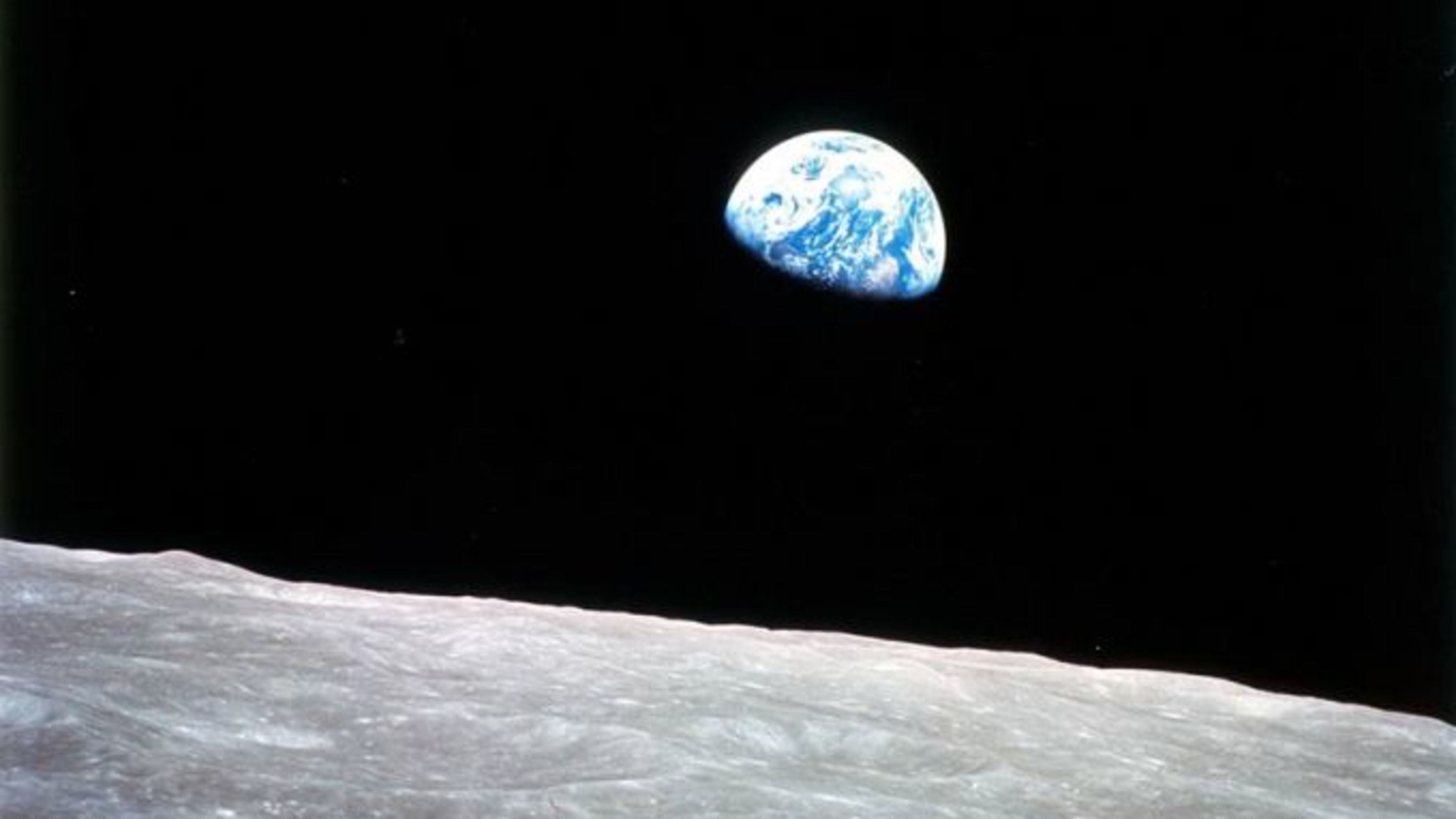
NASA’s Artemis II test flight launched into space on Wednesday evening for an expected 10-day lunar flyby mission.
The flight — which is the first crewed mission to orbit the moon since the Apollo 11 landing in 1969 — is a test for future missions hoping to return humans to the lunar surface in 2028.
Jesuit Father Richard A. D’Souza, director of the Vatican Observatory since September 2025, told EWTN News the Artemis II program is “a great development” that will hopefully lead to answers about the origin of the moon.
The astronomer said the Catholic Church has always supported space exploration but, noting the increased commercialization of spaceflight, warned that it should be for “the benefit of all.”
D’Souza shared with EWTN News the significance of this launch and how the Church continues to view space exploration:
EWTN News: From the Vatican Observatory’s perspective, what is the significance of Artemis II returning humans to the moon’s vicinity after more than 50 years?
D’Souza: The Artemis program is a great development from the perspective of human spaceflight. Since the Apollo missions, our understanding of the moon and our scientific techniques to answer many of the unanswered questions have improved. A possible landing on the moon will allow us to answer several unanswered questions about the origin of the moon.
Furthermore, there is a growing awareness that the moon could host several scientific experiments which could not be possible from the earth due to the abundance of electromagnetic pollution. The far side of the moon remains shielded from various forms of electromagnetic pollutions from the Earth and is ideal to listen to faint signals from the cosmos.
How does the Catholic Church view human spaceflight today — has that perspective evolved since the Apollo era?
The Apollo program — lead by NASA — focused on human endeavor and making the impossible possible. Today, there are many more actors in space with the inclusion of many private companies focused solely on commercial benefit. The Catholic Church, while encouraging all forms of human progress, is particularly concerned that the benefits of such technologies should lead to the benefit of all and not to further inequality and injustice.
Furthermore, the Vatican is especially concerned about the pollution of pristine environments in space (e.g. the moon or other planets) and the great risk of increasing space debris.
Artemis II is a test mission rather than a landing — what does the emphasis on preparation and patience say about how we should approach exploration?
Artemis II is part of a long-term program to return humankind to the moon. While 50 years have passed since we were last on the surface of the moon, we now have a much better understanding of the risks involved. At the same time, much of the technology that will be used in the Artemis program has never been tested for this kind of enterprise. In any form of space mission which involves human persons, the highest forms of accountability and security are needed. Hence, the great caution on the part of NASA in doing all the preparation necessary before landing again on the moon.
Some critics argue that space exploration distracts us from addressing suffering and injustice on Earth. How does the Church respond to that concern?
The Catholic Church has long supported space exploration right from the initial days of the Apollo missions. It understands the symbolic value of space exploration and its effect on other dimensions of human life. Yet at the same time, it is very concerned that exploration of space should not lead to an increase in injustice here on Earth. For this reason, it has been particularly vociferous about international treaties and regulations of space use and travel that need to be put in place — to ensure peace, justice, and that its benefits reach all.
Looking ahead, what questions do you hope future space missions will help humanity explore?
Human space travel to Mars will require us to understand the long-term effect of space travel on the human person. The longest a person has been in space has been 437 days. Before we can undertake longer space missions, we need to understand how to deal with medical emergencies in space. The recent return of the astronauts from the space station due to a health emergency shows how difficult this can be.
If you value the news and views Catholic World Report provides, please consider donating to support our efforts. Your contribution will help us continue to make CWR available to all readers worldwide for free, without a subscription. Thank you for your generosity!
Click here for more information on donating to CWR. Click here to sign up for our newsletter.

Leave a Reply