

 By
By February marks the 100th anniversary of Black History Month being commemorated in the U.S.
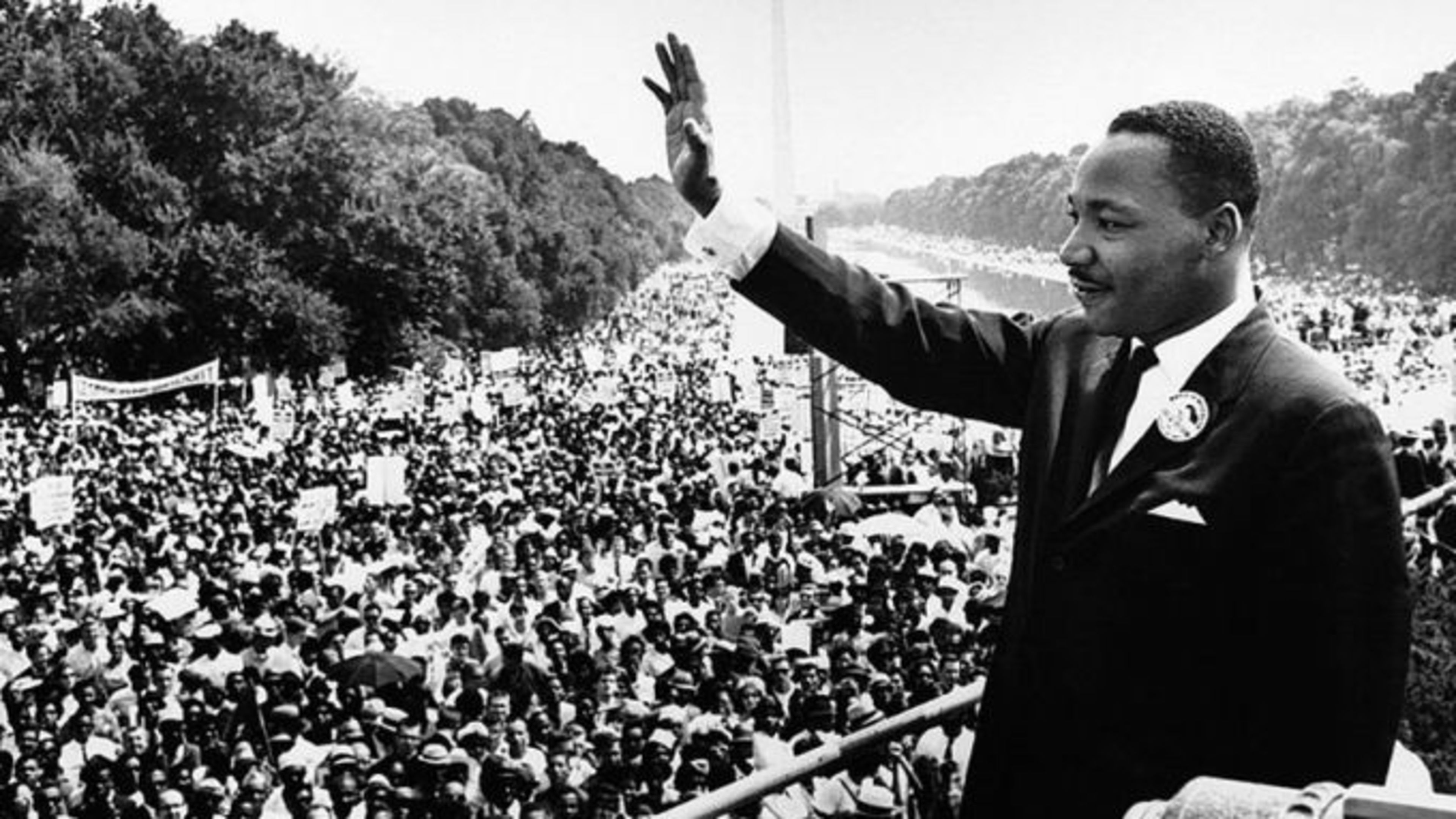
February 2026 marks 100 years of commemorating Black History Month in the United States and Catholic bishops are marking the milestone.
Bishop Daniel E. Garcia, chairman of the U.S. Conference of Catholic Bishops’ (USCCB) Subcommittee for the Promotion of Racial Justice and Reconciliation, and Bishop Roy E. Campbell, chairman of the USCCB’s Subcommittee on African American Affairs, marked the anniversary by urging the faithful to “be faithful stewards of memory” and “courageous witnesses to truth.”
In a statement released Feb. 3, the bishops highlighted the anniversary and called the milestone “an opportunity for us to prayerfully reflect on the ways history has been preserved, honored, and passed on across generations.”
Reflecting on the U.S. bishops’ pastoral letter against racism, “Open Wide Our Hearts,” the bishops recognized “that the lived experience of the vast majority of African Americans bears the marks of our country’s original sin of racism.”
“During this year’s observance of Black History Month, we encourage the faithful to consider the lessons of history, honoring our heroes of the past and learning from the mistakes of the past,” the bishops said.
“Although we may at times encounter people or situations in our country that seek to erase ‘memory’ from our minds and books, it can never be erased from our hearts. May our reflections strengthen our faith and communities.”
The bishops concluded: “Let us be faithful stewards of memory. Let us be courageous witnesses to truth. Let us pray and work to honor the inherent dignity of every person and the sacred stories of every people.”
Black History Month first began in February 1926. At the time it was called Negro History Week and was created by Carter G. Woodson, who founded the Association for the Study of Negro Life and History (ASNLH).
After attending a national celebration of the 50th anniversary of emancipation in 1915, Woodson was left inspired and decided to form an organization to promote the scientific study of Black life and history.
From there, he formed ASNLH, launched The Journal of Negro History in 1916, and then in 1924 started Negro History and Literature Week, which was renamed Negro Achievement Week. Finally, in 1926, Woodson sent out a press release announcing Negro History Week, which was later renamed Black History Month by President Gerald Ford in 1976.
Black History Month aims to honor the contributions of Black individuals to history, culture, and society. Additionally, it serves to educate the public, challenge systemic racism, highlight Black leaders, and celebrate the ongoing journey toward equality.
If you value the news and views Catholic World Report provides, please consider donating to support our efforts. Your contribution will help us continue to make CWR available to all readers worldwide for free, without a subscription. Thank you for your generosity!
Click here for more information on donating to CWR. Click here to sign up for our newsletter.

Our virtue-signaling bishops still busying themselves with things of no importance…
Black history is just as racist as would celebrating White History month.
Our bishops don’t miss an opportunity to court favor with the leftist woke gang. They should stick to doing what bishops are ordained to do – and that doesn’t include political posturing.