


Washington, D.C. Newsroom, Jun 6, 2025 / 16:30 pm (CNA).
The Archdiocese of Washington has announced plans to “cut spending, reduce its workforce, and restructure departments” to combat “crippling economic challenges.”
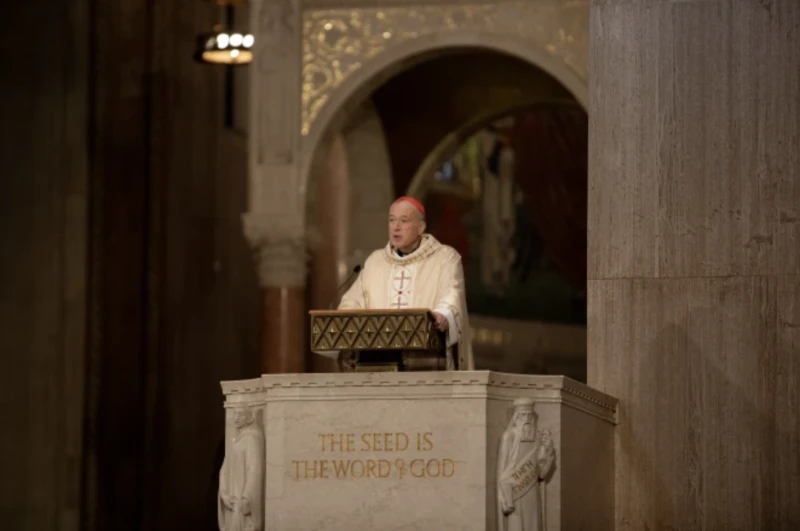
In a June 5 letter sent to archdiocesan staff members, Cardinal Robert McElroy indicated that the archdiocese has had an annual operating deficit of $10 million for the past five years, leading the archdiocese “to draw from financial reserves to cover shortfalls.”
The cardinal archbishop of Washington said “our situation has only been exacerbated by the present economic uncertainty that is impacting so many, both locally and globally.”
“I have come to the painful realization that the only way forward is to take drastic measures to achieve a balanced budget by July 1 of this year,” McElroy wrote. “This means that the archdiocese will need to cut spending, reduce its workforce, and restructure departments to accommodate a more streamlined pastoral center.”
McElroy explained that “the financial impacts of the pandemic and the fallout of the [former cardinal and leader of the archdiocese Theodore] McCarrick scandal, coupled with an extended period of inflation and volatile financial markets” are among the causes of the “crippling economic challenges” facing the archdiocese.
“The most difficult decision that I have had to make in order to achieve a balanced budget was to authorize a reduction in force to eliminate approximately 30 positions of pastoral center staff. Several vacant positions will be left unfilled, and a number of dedicated, hardworking employees will lose their jobs,” McElroy wrote.
“I apologize profoundly to those who will be losing their jobs,” McElroy wrote. “This process is not a reflection on the quality or importance of your work.”
The majority of layoffs will be from the archdiocese’ pastoral center in Hyattsville, Maryland. Prior to the layoffs approximately 120 people worked in the building, but the restructuring plans will reduce the staff by about one-fourth.
“I am sensitive to the reality that there are many people and families who will be impacted by this process — whether it be a devoted employee who loses his or her job, a remaining co-worker who must take on additional responsibilities, or the ripple effect on the many who are served by an important ministry that can no longer be funded at past levels.”
McElroy said the archdiocese will be “offering severance, extended benefits, and outplacement services” to the eliminated employees.
“I pray the Lord will accompany all of you in these days, understanding that it is God’s service that unites all of us who work for the archdiocese, and your commitment to God’s service that makes our current situation all the more difficult,” McElroy said.
If you value the news and views Catholic World Report provides, please consider donating to support our efforts. Your contribution will help us continue to make CWR available to all readers worldwide for free, without a subscription. Thank you for your generosity!
Click here for more information on donating to CWR. Click here to sign up for our newsletter.


Its hard to calculate the impact of the problem with McCarrick. Did the parishioners simply stop attending church at all, or go elsewhere? Cutting yourself off from the Eucharist doesnt seem like a very intelligent decision, no matter the cause. In the end, all humans are sinners, even those wearing Roman Collars. It does not change the truth of what the church attempts to teach. What exactly is gained by walking away?
Many people certainly felt betrayed by the all too happy cooperation of our higher churchmen with the secular authorities who closed our churches during covid. Especially as “two weeks” morphed into months and months with no end in site until some dioceses hauled the states into court in order to re-open. That action was a clear betrayal.
And finally, what was the diocese doing that required 120 employees?? Many large companies which operate factories and produce goods dont even have that many employees. Which seems like a heck of a lot of people for someplace which is not as big as New York. Yet they are finding the cash to offer “extended benefits” to those being let go??? That sort of action, while doubtless motived by kindness, is irresponsible under the circumstances, and is the type of thing which probably helped dig the hole they now find themselves in. But its easy to make such decisions when the money comes from others. Unpleasant as it is, there are times when reality must be faced. This should have been one of them.
So the arrival of the Cardinal hasn’t inspired throngs to dig deep?
Washington DC, thanks to the federal government and its appendages is one of the highest income places in country.