

Across Lebanon are lesser-known shrines and monasteries that offer visitors opportunities for prayer, quiet reflection, and a deeper encounter with Lebanon’s rich Christian heritage.
When it comes to religious tourism in Lebanon, attention often turns to the Monastery of St. Maron in Annaya, home to the tomb of St. Charbel, or to the Shrine of Our Lady of Lebanon in Harissa.
But Lebanon’s spiritual landscape extends far beyond these well-known destinations. Across the country are lesser-known shrines and monasteries that offer visitors opportunities for prayer, quiet reflection, and a deeper encounter with Lebanon’s rich Christian heritage. Here are five of them:
Shrine of St. Maria Goretti in Miziara
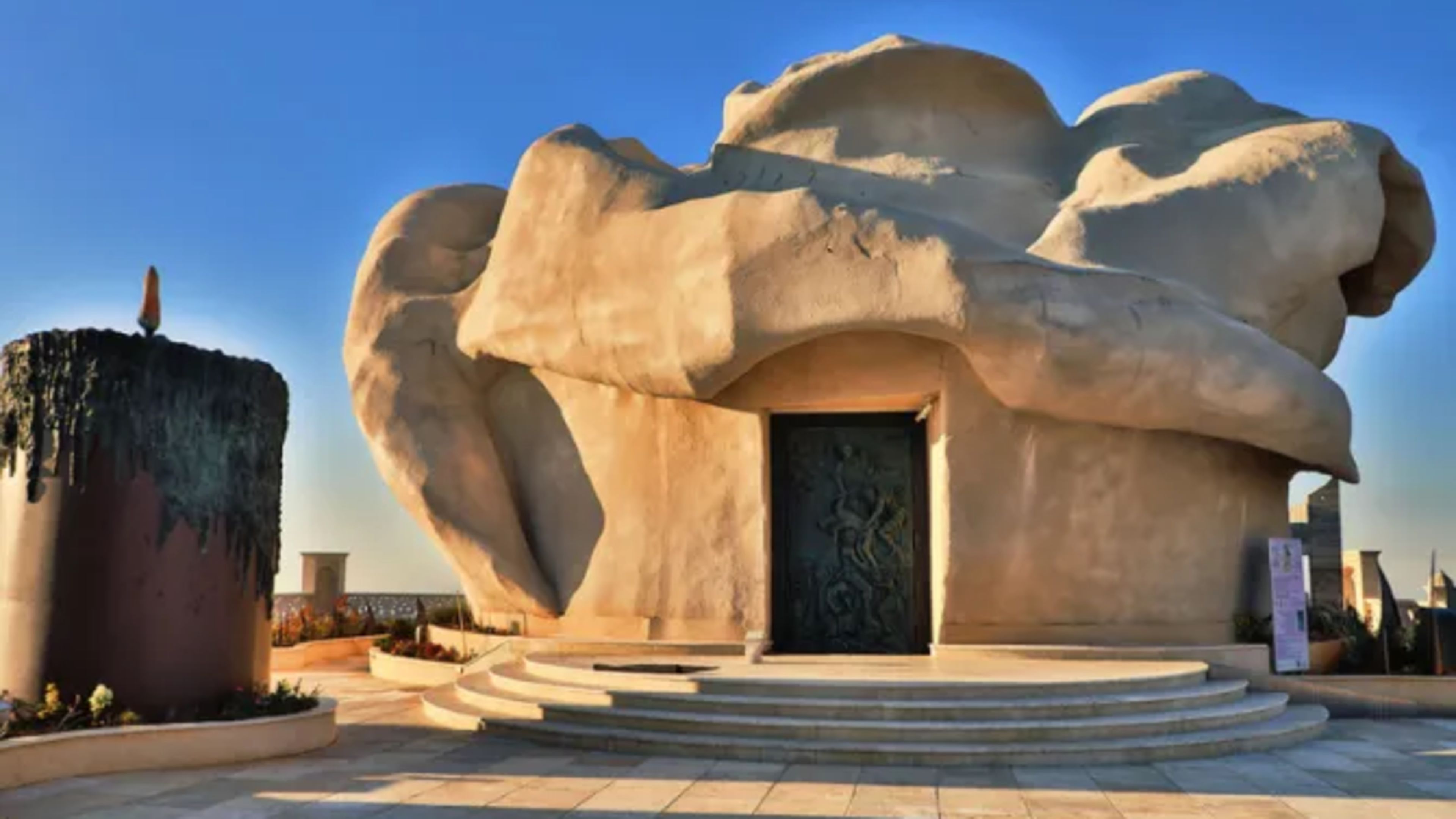
The Shrine of St. Maria Goretti in Miziara is the first shrine in Lebanon and the Middle East dedicated to the young Italian martyr.
Built in the shape of a rose, the shrine also commemorates Raya Chidiac, a young Lebanese woman whose killing reminded her family of the story of St. Maria Goretti. The site eventually became a shrine centered on a message of faith, forgiveness, and hope.
Mountain of Divine Mercy in Ghosta
High above the coastal town of Jounieh, the Mountain of Divine Mercy in Ghosta overlooks the Bay of Jounieh.
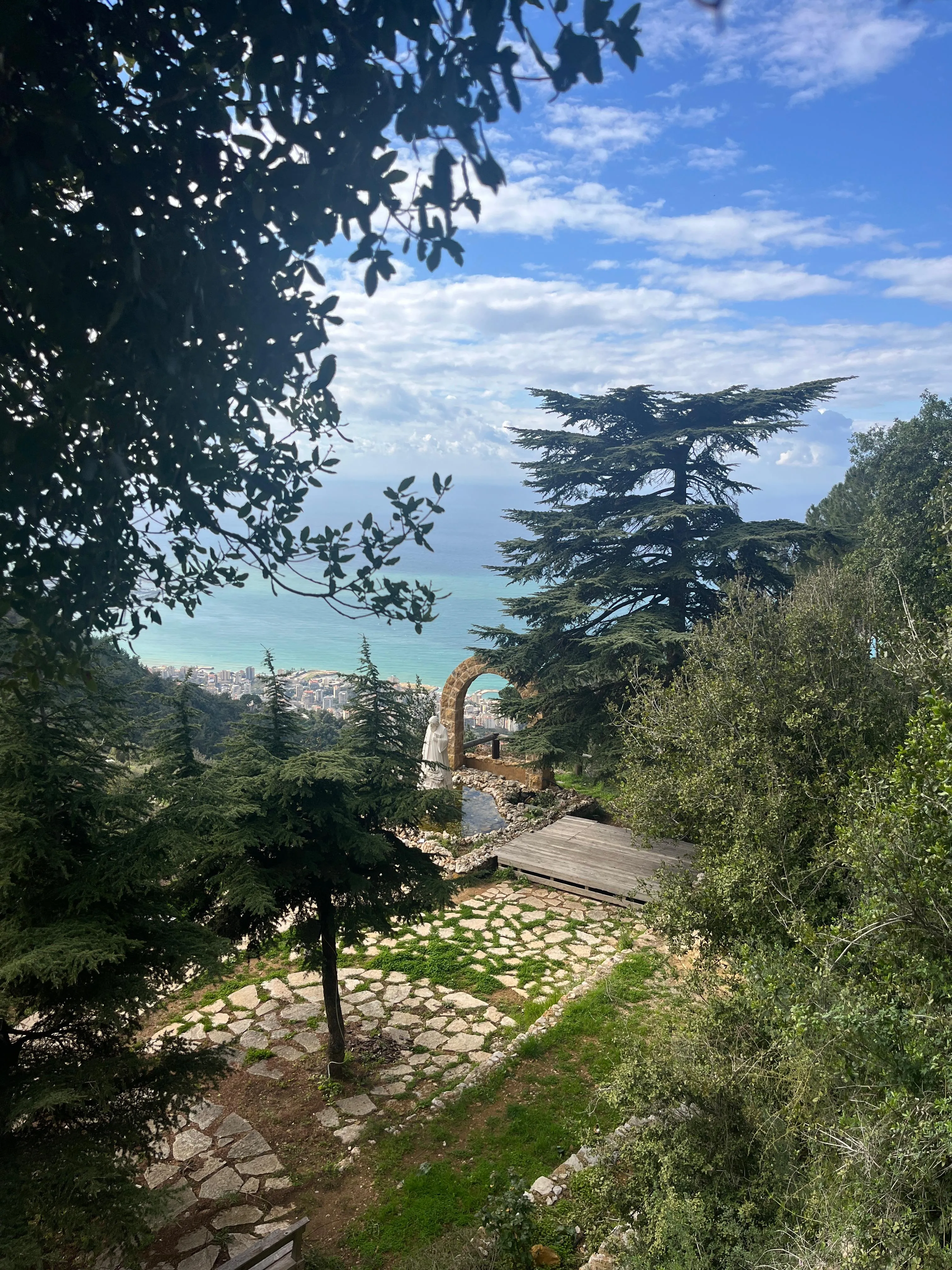
At its center stands a statue of Christ approximately 40 feet tall. The shrine was established through an initiative of the Congregation of Lebanese Maronite Missionaries and also includes smaller shrines dedicated to St. Charbel, St. Rafka, and St. Teresa of Calcutta.
Surrounded by nature and panoramic views, the site offers spaces set aside for prayer and contemplation.
Our Lady of Ilige Monastery in Mayfouq
In Mayfouq, in Lebanon’s Byblos District, the Monastery of Our Lady of Ilige preserves centuries of Maronite history.
The monastery served as a residence of the Maronite patriarchs from 1121 to 1440 and is closely associated with the historic icon of Our Lady of Ilige.
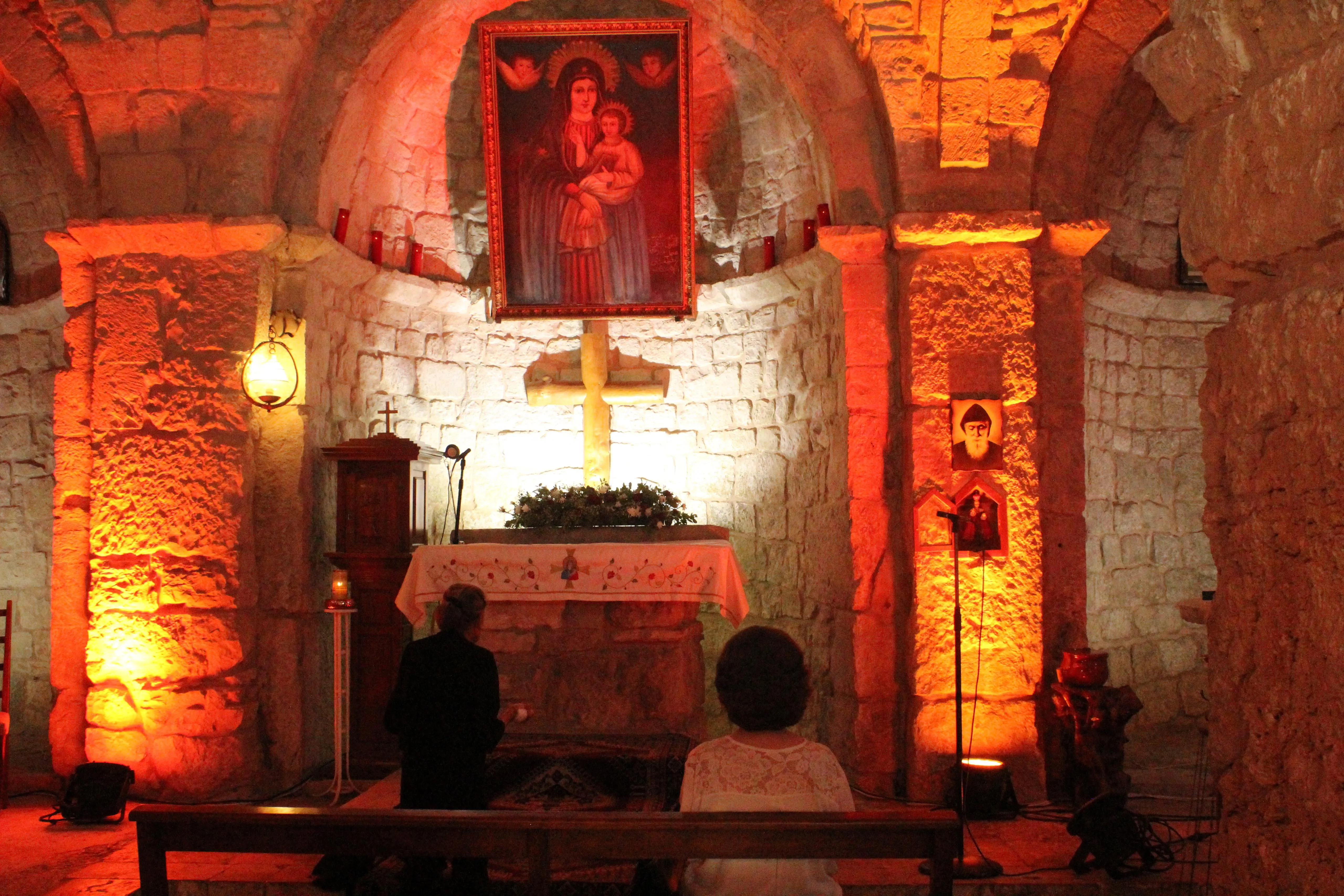
The site remains an important reminder of the Maronite Church’s centuries-old presence in Mount Lebanon.
Holy Savior Monastery in Joun
In the village of Joun in the Chouf District stands the Holy Savior Monastery, the motherhouse of the Basilian Salvatorian Order. Its origins date to the beginning of the 18th century.
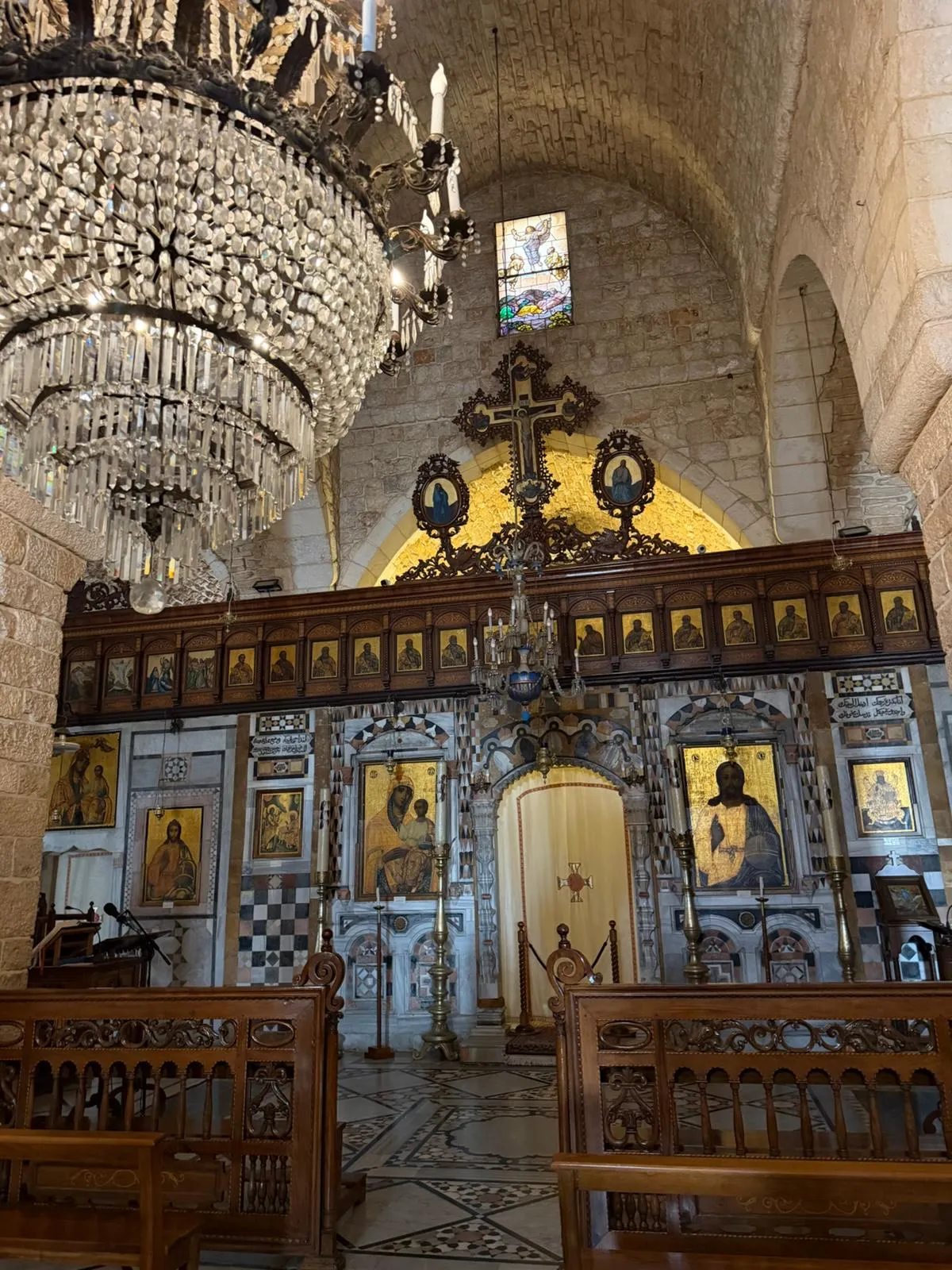
The monastery also houses the remains of Venerable Father Bechara Abou Mrad, making it a destination for pilgrims seeking prayer and spiritual quiet.
Monastery of Sts. Cyprian and Justina in Kfifan
The Monastery of Sts. Cyprian and Justina in Kfifan is closely connected to several prominent figures of Maronite spirituality.
St. Charbel studied philosophy and theology there under St. Nimatullah Al-Hardini, while Blessed Brother Estephan Nehme spent a significant part of his religious life at the monastery.
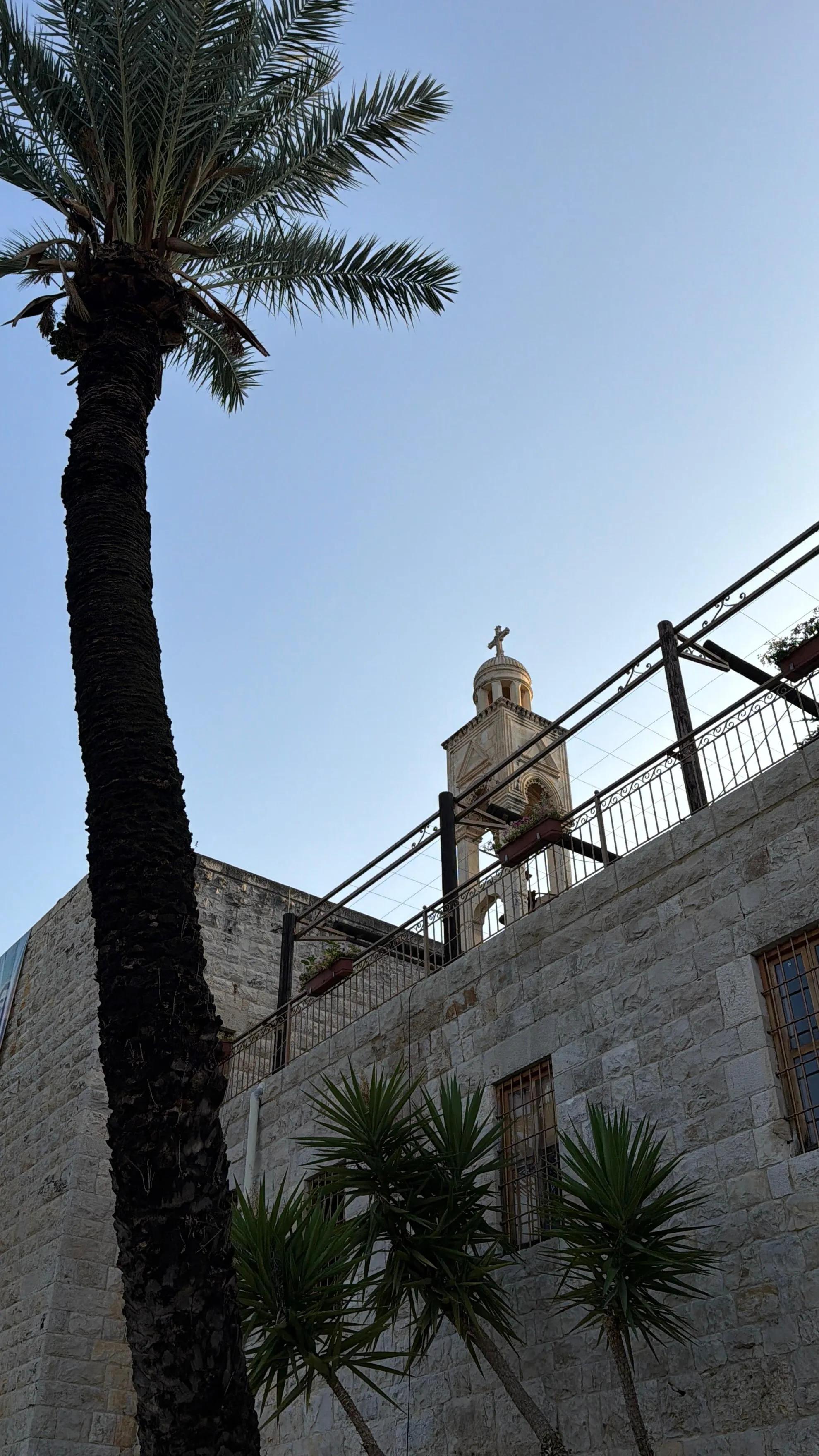
Today, pilgrims visit Kfifan to pray and to venerate the saints and blesseds associated with the monastery, surrounded by the quiet mountain landscape of Lebanon’s Batroun region.
This story was first published by ACI MENA, the Arabic-language sister service of EWTN News. It has been translated and adapted by EWTN News English.
If you value the news and views Catholic World Report provides, please consider donating to support our efforts. Your contribution will help us continue to make CWR available to all readers worldwide for free, without a subscription. Thank you for your generosity!
Click here for more information on donating to CWR. Click here to sign up for our newsletter.

Leave a Reply