

 By
By A bill introduced into Franceʼs national legislature specifically targets the seal of confession and would expand government control over state-subsidized private schools.
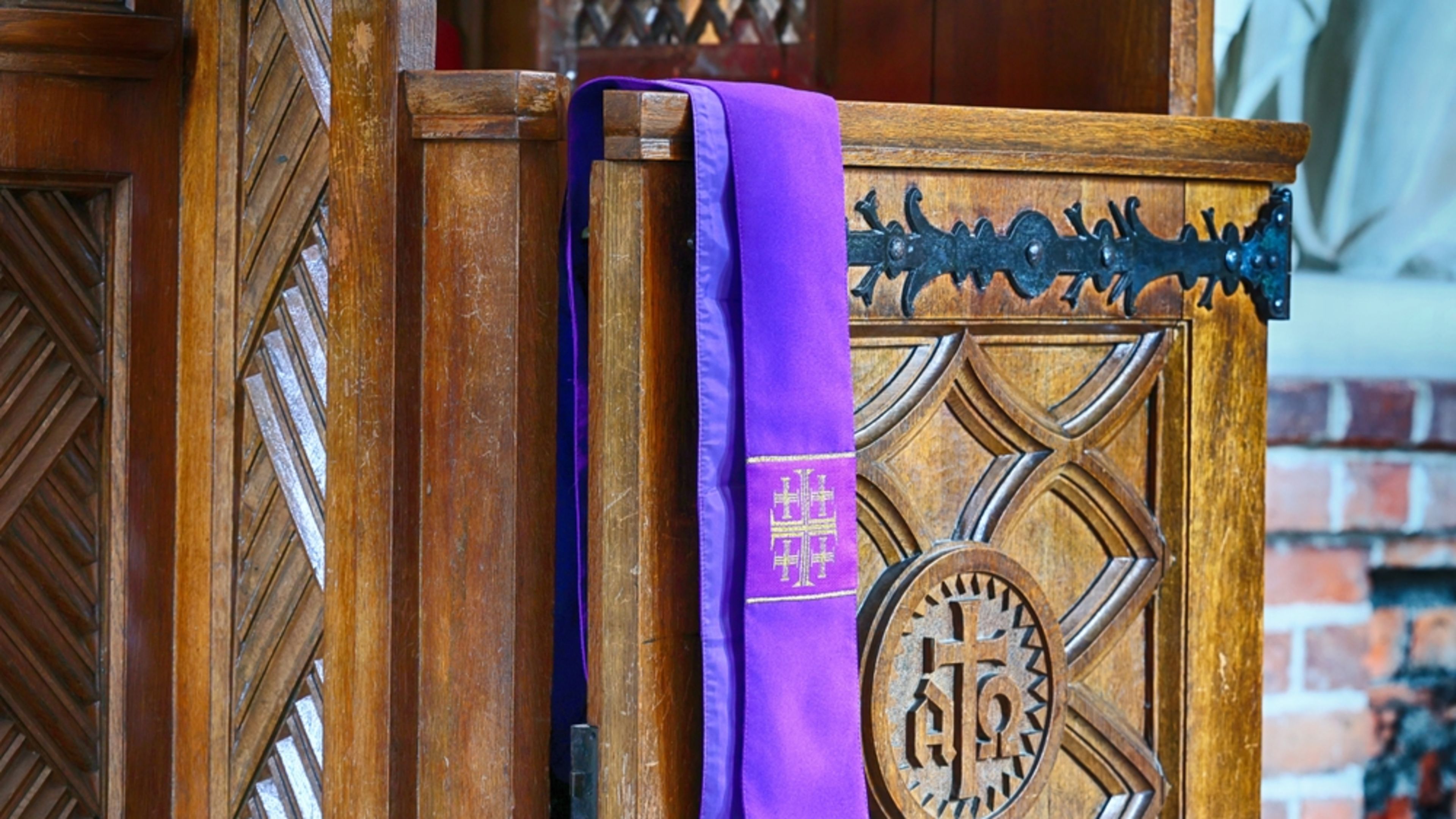
France’s National Assembly approved for consideration on June 1 a bill aimed at preventing and combating violence in schools, a measure the countryʼs bishops warn could put in jeopardy the seal of confession.
The French Bishops’ Conference contends the legislative initiative infringes upon several fundamental freedoms, including freedom of conscience, freedom of education, and freedom of worship.
Although the bishops support the governmentʼs intention to combat psychological, physical, and sexual violence perpetrated against children and adolescents, they specifically expressed concern that the proposed legislation could compromise the seal of confession and the autonomy of Catholic education.
The bishops point to Article 9 of the bill, which mandates the obligation to report acts of violence against minors even if knowledge of such acts was acquired in the exercise of the priestly ministry and adds that no “seal of confession” may be invoked to override said obligation.
The prelates further warned that the measure would jeopardize the autonomy of Catholic schools, as it provides for an expansion of state control over government-subsidized private institutions.
The French bishops maintain that these new oversight measures could open the door to greater state intervention in areas such as moral formation, affective and sexual education, or even teaching Christian anthropology.
They point out that the state would also have the authority to impose administrative sanctions and even order the closure of schools that fail to comply with the established regulations.
What does the Church say regarding the seal of confession?
The sacramental seal is governed by canons 983, 984, and 1388 as well as No. 1467 of the Catechism of the Catholic Church, which states: “Given the delicacy and greatness of this ministry and the respect due to persons, the Church declares that every priest who hears confessions is bound under very severe penalties to keep absolute secrecy regarding the sins that his penitents have confessed to him.”
“He can make no use of knowledge that confession gives him about penitents’ lives. This secret, which admits of no exceptions, is called the ‘sacramental seal,’ because what the penitent has made known to the priest remains ‘sealed’ by the sacrament,” the catechism adds.
In July 2019, the Vatican’s Apostolic Penitentiary published a note regarding the importance of the private nature and the inviolability of the sacramental seal in order to highlight the importance and foster a better understanding of these concepts, “which today seem to have become more alien to public opinion and sometimes to civil juridical systems.”
“The inviolable secrecy of confession comes directly from the revealed divine right and is rooted in the very nature of the sacrament, to the point of not admitting any exception in the ecclesial sphere, nor, least of all, in the civil one,” the note states.
This story was first published by ACI Prensa, the Spanish-language sister service of EWTN News. It has been translated and adapted by EWTN News English.
If you value the news and views Catholic World Report provides, please consider donating to support our efforts. Your contribution will help us continue to make CWR available to all readers worldwide for free, without a subscription. Thank you for your generosity!
Click here for more information on donating to CWR. Click here to sign up for our newsletter.

Leave a Reply