

 By
By The U.S. House advanced legislation that could change how the U.S. delivers international food assistance. Senate consideration is next.
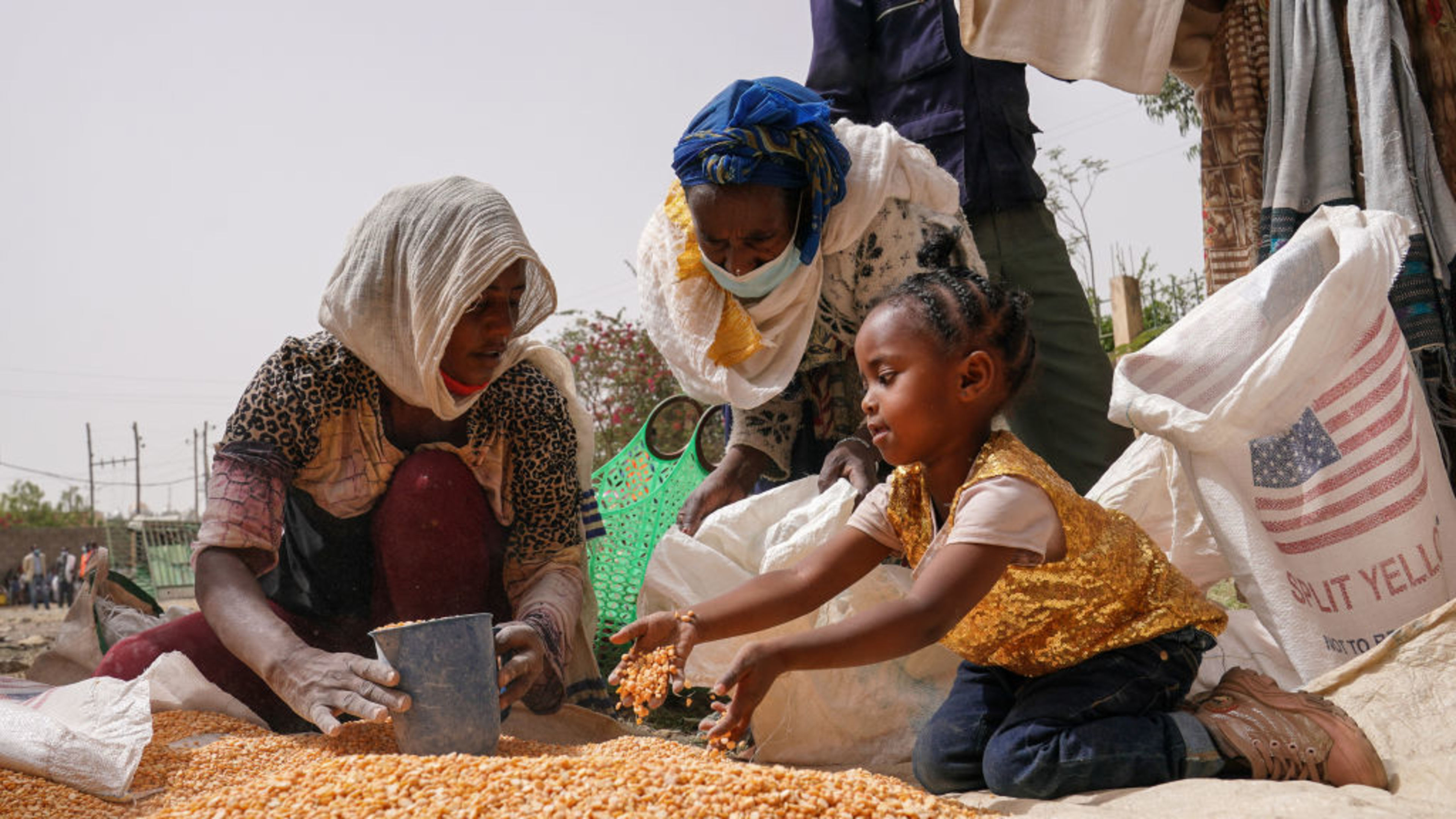
WASHINGTON, D.C. — The U.S. House of Representatives passed its version of the farm bill in a 224-200 vote on April 30, advancing legislation that could reshape U.S. global food assistance, following warnings from Catholic organizations about its potential impact on global hunger response efforts.
Catholic Relief Services (CRS), which had urged lawmakers ahead of the vote to preserve and strengthen global food aid programs, said in an emailed statement to EWTN News that it was “encouraged that key international food security and nutrition programs were protected.”
“Several steps remain in the process,” it continued, “and we look forward to continuing to work with both parties to lift up these essential programs as conversations move forward.”
The bill’s passage marks a step forward in a farm bill process that has stalled in recent years since the 2018 reauthorization. Senate consideration is next, where lawmakers are expected to consider revisions amid ongoing debate over how the federal government should structure food assistance at home and abroad.
At the center of the international provisions is Food for Peace, the U.S. flagship global hunger program that provides food assistance to countries facing war, natural disasters, or severe economic instability, often serving as a key source of emergency food aid worldwide.
Under the House-passed bill, Food for Peace would be permanently transferred from the U.S. Agency for International Development (USAID) to the U.S. Department of Agriculture (USDA), a shift long debated by policymakers. USAID has been largely dismantled under the Trump administration, with most of its programs absorbed into the U.S. Department of State.
The legislation also would require that at least 50% of Food for Peace funding be used to purchase and transport U.S.-grown agricultural commodities. Additionally, the bill includes a $200 million earmark for ready-to-use therapeutic foods (RUTF), nutrient-dense products used to treat severe malnutrition in children.
Supporters argue the changes would strengthen ties between U.S. farmers and international aid programs, while humanitarian groups have raised concerns that they could reduce flexibility in responding to emergencies.
The House Agriculture Committee has defended the changes as strengthening the connection between U.S. agriculture and international food assistance while maintaining the program’s humanitarian purpose.
The House-passed bill also would reauthorize the McGovern-Dole Food for Education program, which supports efforts to reduce hunger and improve literacy in low-income countries. Organizations such as Save the Children and Bread for the World, a Christian advocacy group focused on reducing global hunger, praised the provision, framing it as consistent with broader humanitarian goals.
Hunger as a ‘moral issue’
Catholic organizations have consistently framed international food assistance as part of a broader moral responsibility toward vulnerable populations, a theme reflected in recent joint advocacy from the U.S. Conference of Catholic Bishops (USCCB), CRS, and other Catholic agencies.
In earlier outreach to Congress ahead of the vote, CRS warned that limiting flexibility or resources could weaken the ability of the United States to respond quickly when families face hunger driven by forces beyond their control.
“Programs like Food for Peace have a long track record of saving lives, and it’s critical they remain well funded and able to adapt to complex emergencies,” CRS said in a statement, describing hunger as not just a policy issue “but a moral one.”
Much of the broader House debate also centered on domestic nutrition policy, particularly the Supplemental Nutrition Assistance Program (SNAP), as lawmakers considered amendments addressing eligibility rules and restrictions on certain food purchases like rotisserie chickens.
Debate on the bill also included contentious provisions related to pesticide regulation and other agricultural policy issues, reflecting broader divisions over the direction of federal farm policy.
Lawmakers considered more than 300 amendments during the process, with roughly 49 ultimately adopted or incorporated into the final package.
If you value the news and views Catholic World Report provides, please consider donating to support our efforts. Your contribution will help us continue to make CWR available to all readers worldwide for free, without a subscription. Thank you for your generosity!
Click here for more information on donating to CWR. Click here to sign up for our newsletter.

Leave a Reply