

 By
By The feast dates to 1521, when Portuguese explorer Ferdinand Magellan arrived in Cebu and introduced Christianity to the island.
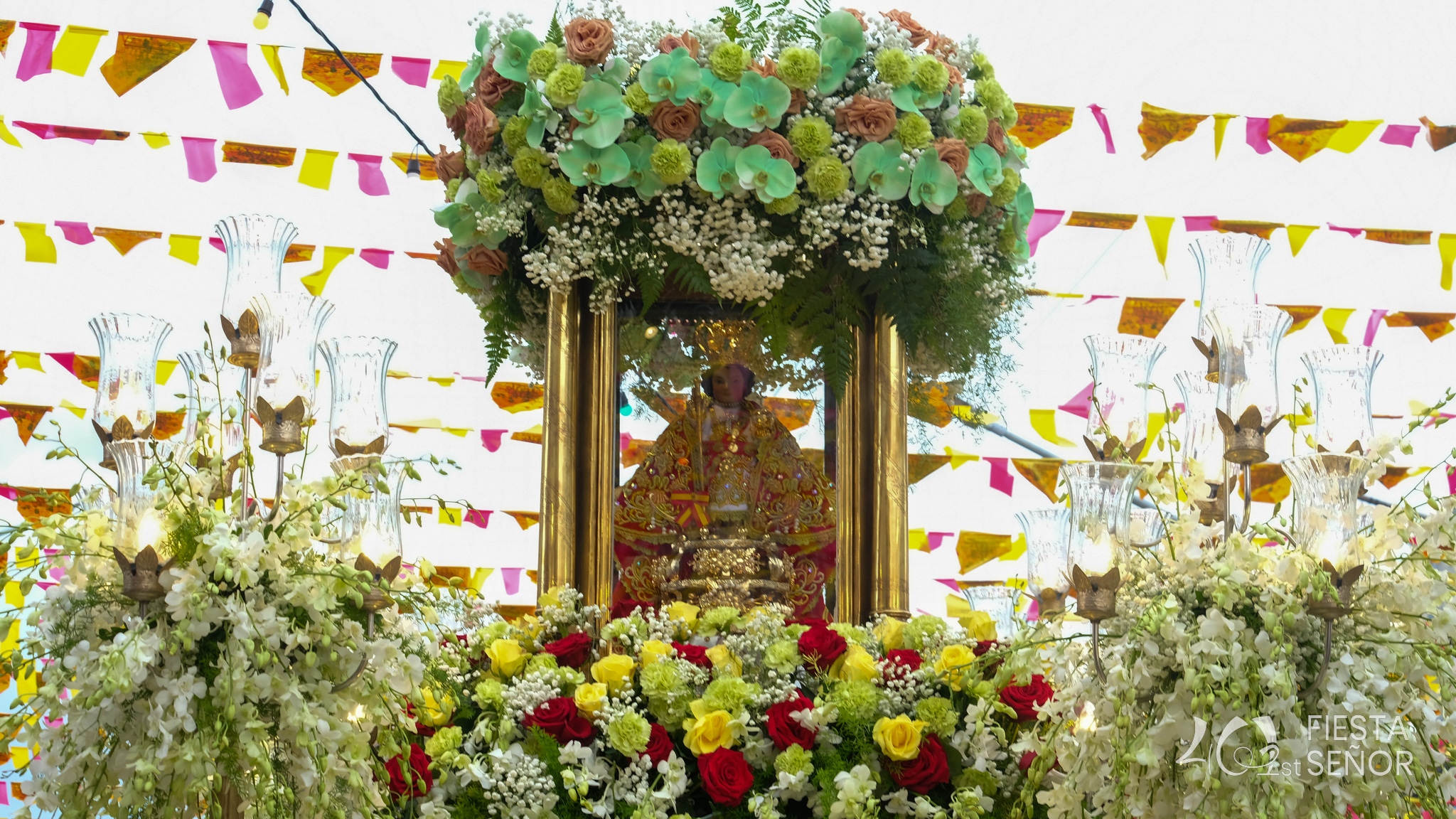
Jan 20, 2026 / 09:25 am (CNA).
More than 5.2 million devotees joined the feast of Santo Niño (Infant Jesus) in Cebu, central Philippines, on Jan. 18 in what religious leaders emphasize is a centuries-old act of devotion rather than folklore or tourism. The attendance figure was provided by the Cebu City Disaster Risk Reduction and Management Office.
A spiritual celebration
“The feast of Sto. Niño in Cebu is not a tourist event but a spiritual and religious celebration,” Sister Aileenette Pangilinan Mirasol, a member of the Franciscan Missionaries of Mary, told EWTN News.
Born and raised in Cebu, Sister Aileenette recalled that even before the Sinulog Festival — an annual Filipino religious event held on the third Sunday of January in Cebu that draws millions as a major cultural and tourist festival — “we have been celebrating the feast of the Santo Niño as a spiritual and religious event.”
“So, as a Cebuana, I would say that the feast is rooted in the deep Catholic faith of the Cebuano people and less of a tourist event,” Sister Aileenette said.
“While visitors may come, enjoy, and participate, the heart of the feast is not tourism but worship, devotion, and gratitude to the Santo Niño, reflecting centuries-old religious tradition and belief,” she said.
Sister Jennibeth Sabay, a member of the Sisters of Our Lady of the Immaculate Conception of Castres, told EWTN News that “the feast of Santo Niño de Cebu is a celebration of love and thanksgiving to God.”
“It may be a tourist event for others. But for Catholics and devotees of Santo Niño, it is a celebration of thanksgiving and honoring the Holy Child Jesus, the ‘Batobalani sa Gugma,’ or ‘magnet of love,’” she explained.
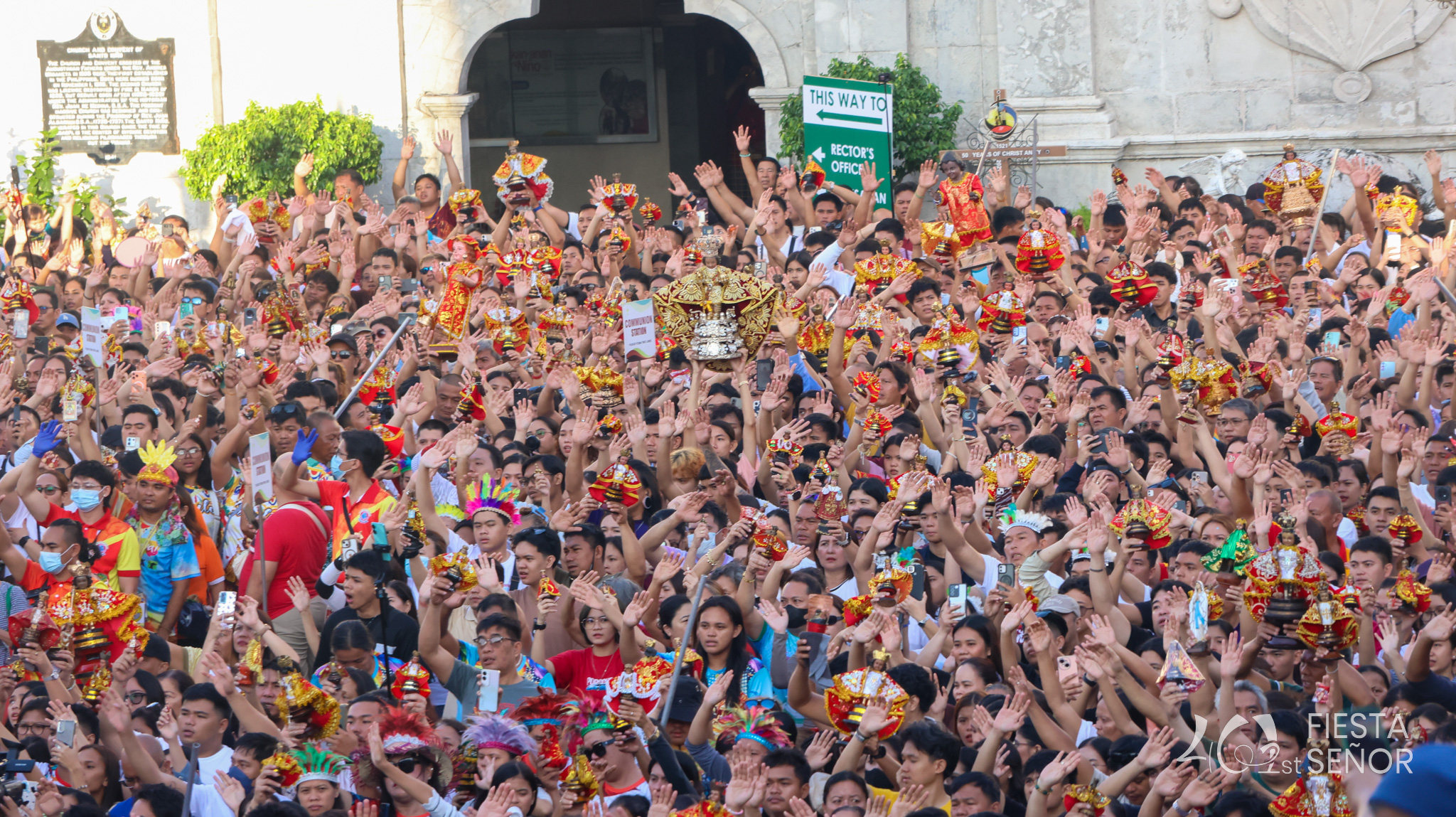
Pope Leo XIV sent greetings to the faithful celebrating the fiesta at the Basilica Minore del Santo Niño in Cebu. Through Cardinal Pietro Parolin, Vatican secretary of state, the pope stressed that it is an opportunity to reflect on the unity and grace received in baptism.
In his letter, dated Jan. 5, the pope said the annual feast, guided by the theme “In Santo Niño We Are One,” would inspire the faithful to live out their baptismal commitment through a grace-filled life in Christ, marked by service, charity, and solidarity, particularly toward those on the margins of society.
“It is, therefore, his hope that you will be inspired by a greater desire to embrace the baptismal call to live a grace-filled life in Christ and in service to your brothers and sisters, especially those on the margins of society, so that you will bear greater witness to Christ’s call to unity and reflect the life of charity of the Most Holy Trinity,” the pope said.
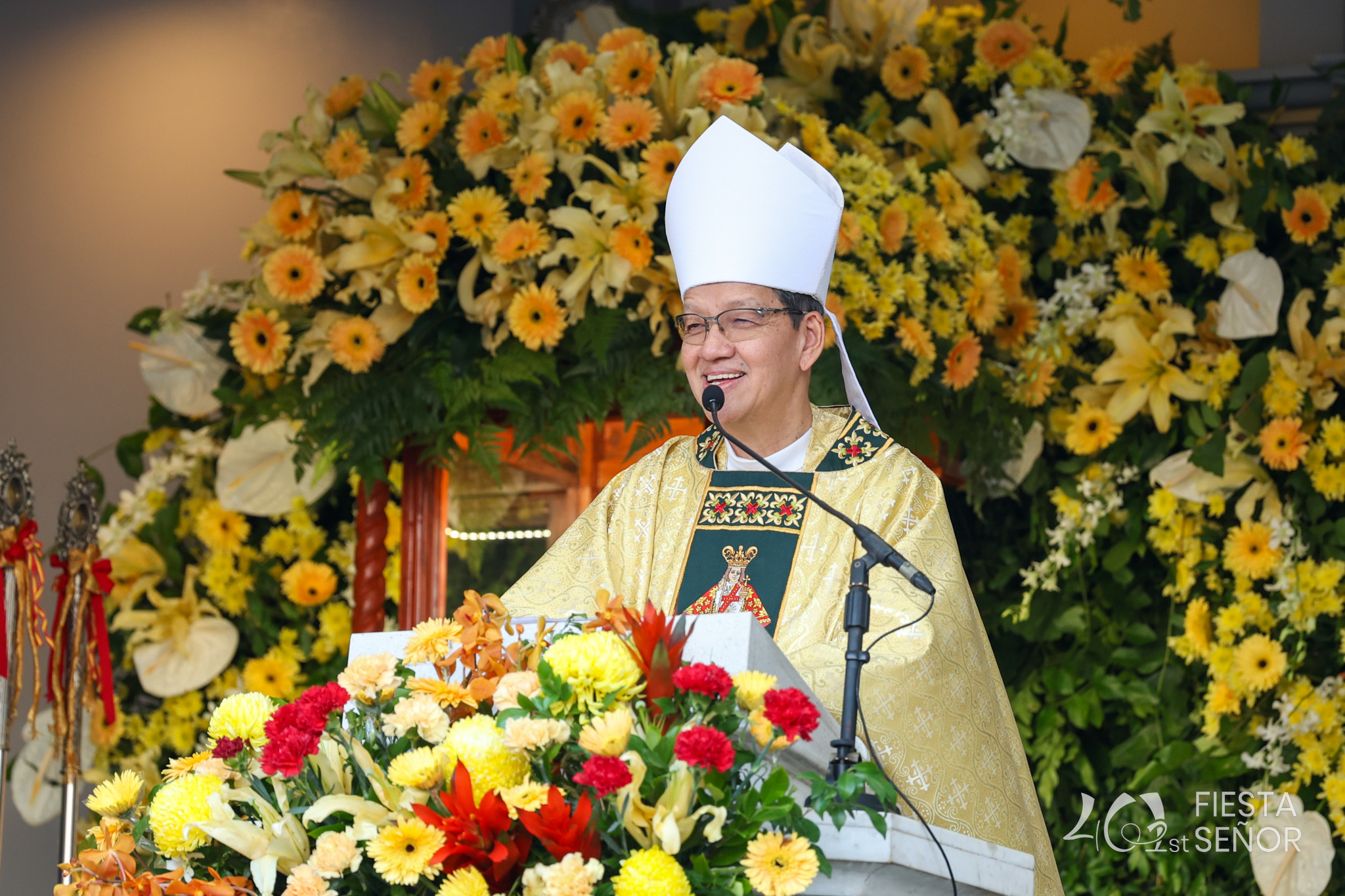
The celebration was marked by religious fervor and festivity, with the theme “United in Faith and Love” highlighting its significance as a celebration of faith, history, and culture.
Archbishop Alberto Sy Uy of Cebu officiated the pontifical Mass at Basilica Minore del Sto. Niño de Cebu, which houses the original statue.
In his homily, he urged all to strengthen their relationship with God and care for each other.
“When we are connected with God, every moment is filled with love, and we serve others with compassion,” he said.
“In the Señor Santo Niño, we are one, meaning we are united with Christ not because of our human efforts but because of his redeeming love,” Uy said.
“As we conclude this year’s festivities, may the fire of faith continue to burn in our hearts. We carry the blessings of the Holy Child as we return to our daily lives, strengthened by him,” he added.
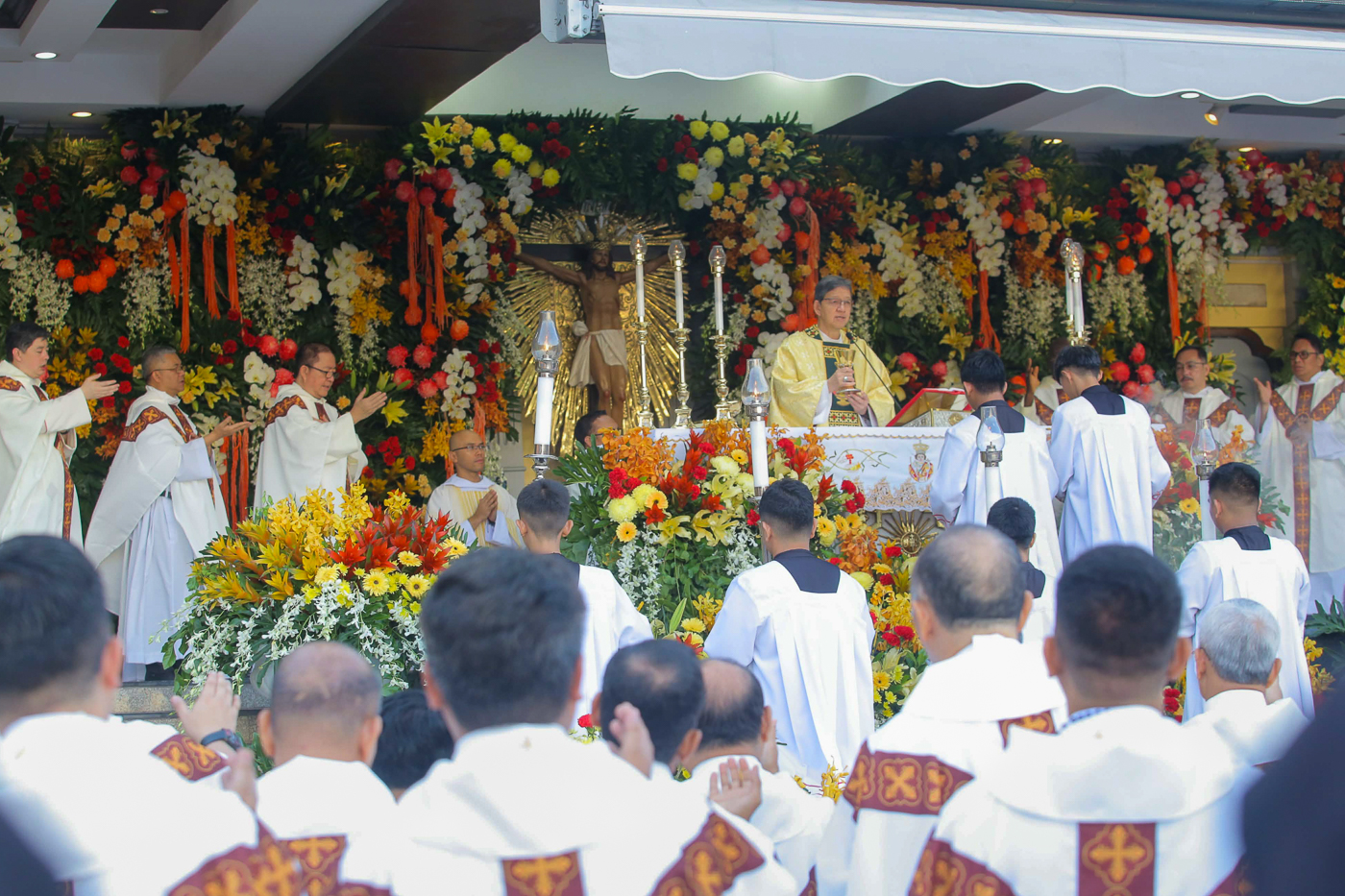
Prayer formed a central part of the festival, with tens of thousands of people attending the nine-day novena before the feast at the Basilica del Santo Niño.
Historical roots
On Jan. 17, a galleon carried the image of Santo Niño during the fluvial procession across the Mactan Channel, reenacting its arrival in Cebu in 1521, when Portuguese explorer Ferdinand Magellan arrived in Cebu and introduced Christianity to the island.
Queen Juana of Cebu, wife of Rajah Humabon, was baptized on April 14, 1521, and received the Christian name Doña Juana along with a Santo Niño image as a baptismal gift. This marked the beginning of Christianity and devotion to the Holy Child Jesus in the Philippines, an archipelago of 116 million people.
Today, the Santo Niño of Cebu is the oldest Christian icon in the country, holding a central place in the Catholic faith and devotion of the Filipino people.
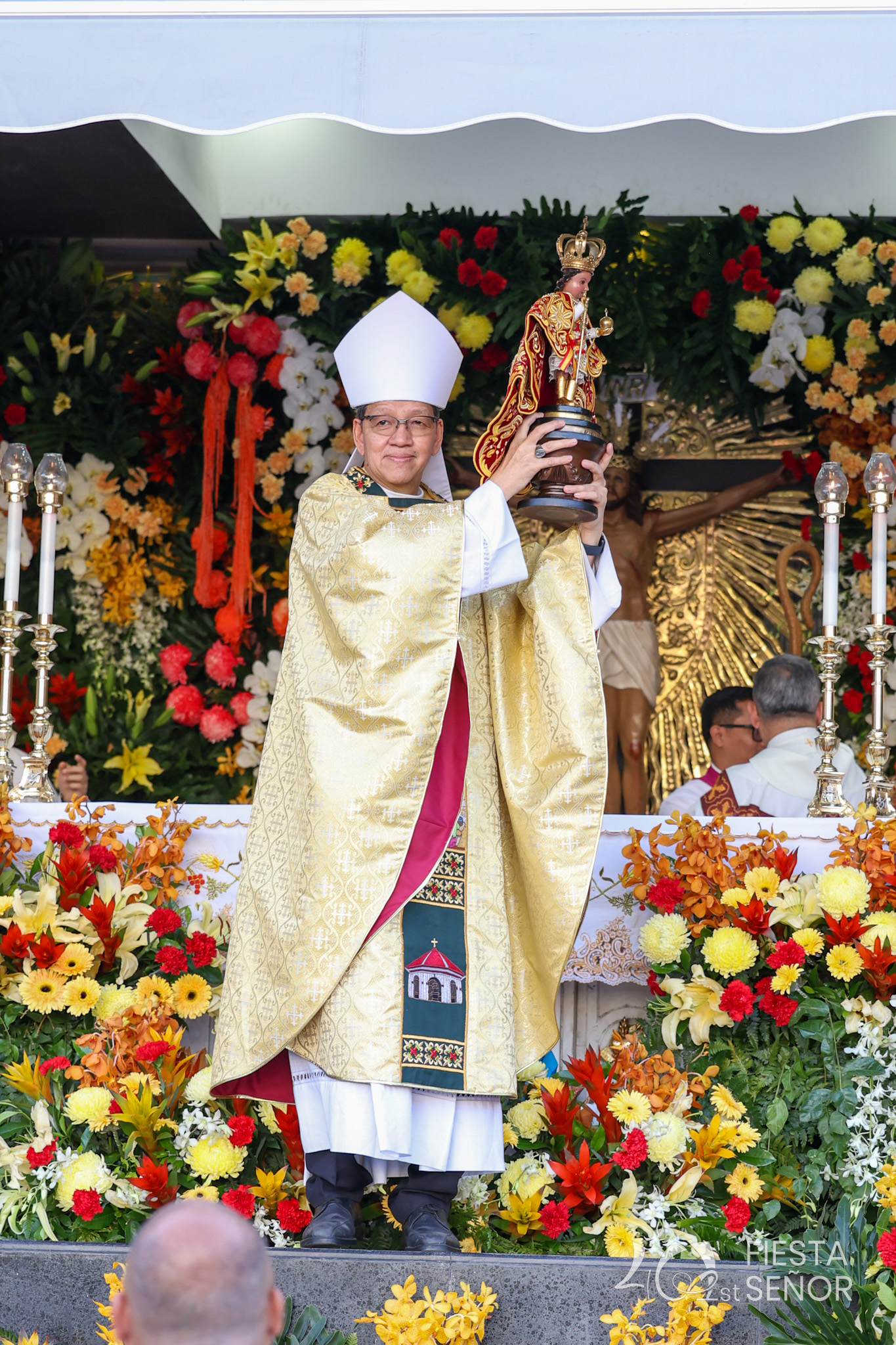
The Señor Sto. Niño is one who answered prayers, who granted healing, who gave strength, enlightenment, protection, and guidance, and who bestowed blessings to families, Sister Jennibeth said. He provided consolation and strength during troubled times. He is a refuge for people during times of challenges and difficulties.
“We shout, ‘Pit Senyor.’ ‘Sangpit sa Senyor’ means to ‘call upon’ and to entrust to God whatever concerns we have,” said Sister Jennibeth, a native of Cebu.
Despite the many challenges people of Cebu have faced — typhoons, earthquakes, and disasters — people remain hopeful, resilient, and strong with the grace and blessings of Sto. Niño, protector of Cebu and the Philippines.
If you value the news and views Catholic World Report provides, please consider donating to support our efforts. Your contribution will help us continue to make CWR available to all readers worldwide for free, without a subscription. Thank you for your generosity!
Click here for more information on donating to CWR. Click here to sign up for our newsletter.

Devotion to the Santo Niño began in Spain, during the 13th century Moorish siege of Atocha. Story has it that the Moors permitted children to bring food and water to incarcerated Spanish prisoners. That one little boy stood out in endless trips to and from the prisoners with food and water. The devotion began that the boy was the child Jesus.
Devotion to the Santo Niño reached Spanish settlements in Mexico and the Southwest. When assigned to an Hispanic Mestizo parish in my Diocese a fellow pastor told me the story of his first assignment in the predominantly Mestizo area. Examining his new parish and its church he noticed what appeared to be a children’s doll, a little boy dressed up up with hat and tiny shoes. It was perched up in the ceiling on one of the rafters. He thought it was a prank, removed it and threw it in the garbage.
As expected parishioners spotted their beloved Santo Niño in the waste and debris. My priest friend never heard the end of it. Thereafter he was known to have developed a marked devotion to the child Jesus.