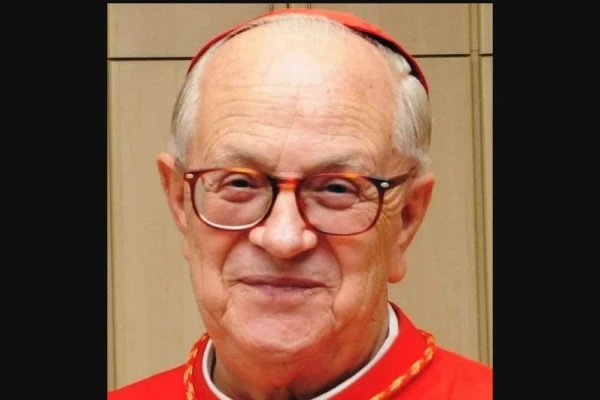
Cardinal Eusébio Oscar Scheid. Credit: Archdiocese of Rio de Janeiro, Brazil.
Rome Newsroom, Jan 13, 2021 / 01:47 pm (CNA).- Brazilian Cardinal Eusébio Oscar Scheid, the archbishop emeritus of Rio de Janeiro and a theologian, died Wednesday afternoon after a long period of illness.
The 88-year-old cardinal was living in the city of São José dos Campos, where he was a bishop from 1981 to 1991. He was admitted to the hospital Jan. 12 after testing positive for COVID-19 and showing signs of pneumonia.
Scheid retired as archbishop of Rio de Janeiro in 2009 at the age of 76. The following year he also retired as the bishop of the Ordinariate of Brazil for the faithful of the Eastern rite, which he had led from 2001.
The ordinariate was established in 1951 to oversee Eastern Catholics in Brazil who do not have proper jurisdiction of their own sui iuris churches.
Scheid was a member of the Congregation of the Priests of the Sacred Heart of Jesus, also known as Dehonians, making his religious profession in 1954.
He then studied theology in Rome, where he received a doctorate in Christology. He was ordained a priest in Rome in 1960.
The cardinal was born in 1932 in the city of Luzerna, in the southern Brazilian state of Santa Catarina.
He was a professor of theology at several seminaries in Brazil and at the Theological Institute of Taubaté-SP, where he was later director of the theology faculty.
While bishop of São José dos Campos, he established the Santa Teresinha Institute of Philosophy and the Padre Rodolfo Komorek Theological Residence.
Scheid was named archbishop of Florianópolis in 1991, where he served for 10 years, until his appointment as Archbishop of Rio de Janeiro.
In the Florianópolis archdiocese he established the John Paul II Social Institute and the Emmaus Convivial Theology and Edith Stein Philosophy seminars.
He was made a cardinal by St. Pope John Paul II in 2003, while archbishop of Rio de Janeiro. He retired in 2009.
Scheid was also an advisor to the Vatican’s Pontifical Commission for Latin America and a member of the Pontifical Council for Social Communication.
In 2007, he was a member of the Council of Cardinals created to study the Holy See’s organizational and economic problems.
If you value the news and views Catholic World Report provides, please consider donating to support our efforts. Your contribution will help us continue to make CWR available to all readers worldwide for free, without a subscription. Thank you for your generosity!
Click here for more information on donating to CWR. Click here to sign up for our newsletter.
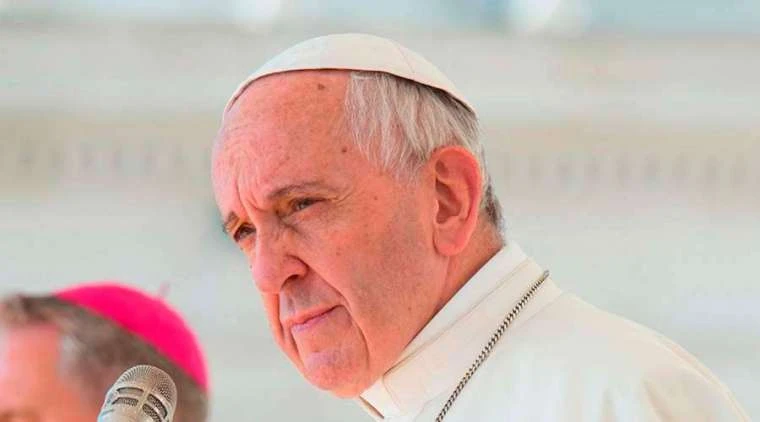
Vatican City, Apr 28, 2018 / 04:06 am (CNA/EWTN News).- Last night Pope Francis began individual meetings with three survivors of clerical sexual abuse from Chile following a major apology earlier this month. The encounters, which have no time limit, will go on throughout the weekend and on Monday.
The survivors – Juan Carlos Cruz, James Hamilton and Andres Murillo – were invited by the pope to stay at the Vatican’s Saint Martha guesthouse, where he has lived since his election in 2013.
In an April 27 statement from the Vatican, spokesman Greg Burke said there will be no official communique on the encounters, as Francis’ primary intention is “to listen to the victims, ask them for forgiveness and respect the confidentiality of these meetings.”
“In this climate of trust and of reparation for suffering,” Bruke said, “the desire of Pope Francis is to allow those invited to speak for as long as needed, such that there are no fixed schedules or predetermined content.”
Cruz, Hamilton and Murillo were each victims of abuse carried out by Chilean priest Fernando Karadima, who in 2011 was found guilty by the Congregation for the Doctrine of the Faith of sexually abusing several minors during the 1980s and 1990s, and sentenced to a life of prayer and solitude.
The pope invited the three men to come to the Vatican after receiving a 2,300 page report from Maltese Archbishop Charles Scicluna, who is highly regarded as the Vatican’s top abuse investigator and who traveled to the United States and Chile in February to investigate allegations of cover-up.
Initially the investigation was centered around Bishop Juan Barros of Osorno, who was appointed to the diocese in 2015 and who has been accused by Cruz and several others of not only covering up Karadima’s abuses, but at times also participating.
Allegations were also made against three other bishops – Andrés Arteaga, Tomislav Koljatic and Horacio Valenzuela – who Karadima’s victims accuse of also covering the abuser’s crimes.
While on the ground Scicluna interviewed some 64 people, most of whom were victims, but the scale of the investigation went beyond Barros. It is said to be much more extensive, including details from other cases, such as the Marist Brothers, who are currently under canonical investigation after allegations of sexual abuse by some of the members surfaced in August 2017.
Pope Francis had previous defended Barros, saying he had received no evidence of the bishop’s guilt, and called accusations against him “calumny” during a trip to Chile in January.
However, after receiving Scicluna’s report, Francis issued a major “mea culpa” April 11, saying he had made “serious errors in the judgment and perception of the situation, especially due to a lack of truthful and balanced information.”
He invited Cruz, Hamilton and Murillo to meet with him privately at the Vatican, and summoned all of Chile’s 32 bishops to Rome in the third week of May, where they will discuss the conclusions of Scicluna’s report as well the pope’s own conclusions on the matter.
In recent comments made to the New York Times, Cruz, who will meet with Francis Sunday, said he is looking forward to speaking with the pope with “an open heart” and hearing what the pontiff has to say.
Above all, Cruz said he wants to convey “the pain and suffering of so many people,” many of whom, he said, suffered more than he has, and “I’ve suffered a lot.”
Cruz said at times he has been made at Pope Francis, but does not want to be. Though understands that “people make mistakes,” Cruz said he still grapples with the fact that the pope didn’t act sooner, and that for him, the meeting will be a waste “if it doesn’t result in concrete actions.”
“And firing a few bishops won’t do the trick,” he said, voicing hope that Barros will be relieved from his post in Osorno.
But despite the disappointment and “shattered” vision of the pope that he has going into the meting, Cruz said the pope is still the pope, and “I hope we all get some kind of healing out of this, for ourselves.”
Thirty-four new Swiss Guards were sworn in Thursday in an elaborate ceremony in Vatican City in which the guards promised to protect the pope, even “sacrificing if necessary also my own life.”
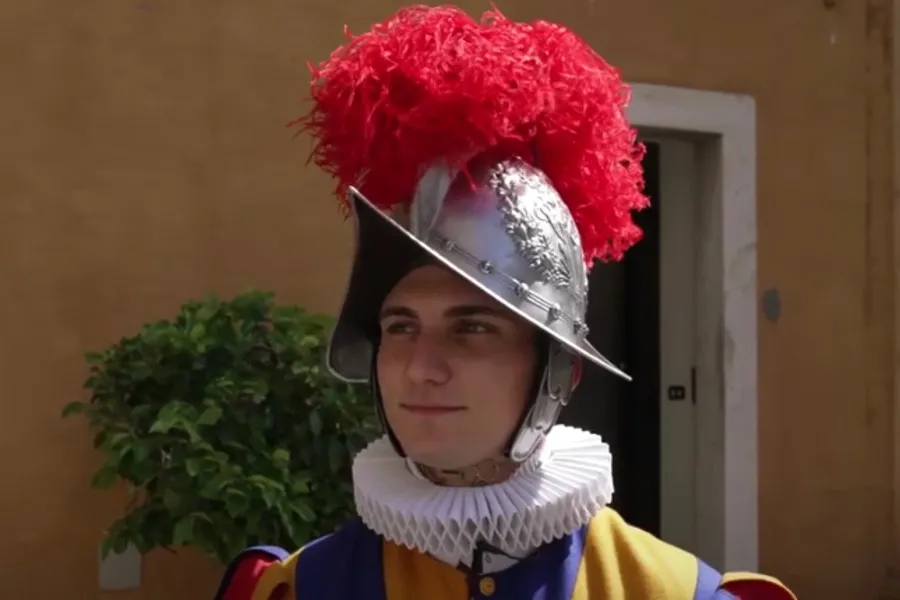
Gian Andrea Bossi, a 20-year-old from Davos, Switzerland, was among the new Swiss Guards to take the oath on May 6.
“It is a great honor for me, for all of us. … We’ve prepared for weeks, for months for this day,” Bossi told EWTN News.
“I’ve always wanted to serve God in a way, and I wanted to serve the Catholic Church,” he said.
Gian Andrea Bossi, a 20-year-old Swiss Guard who was sworn-in on May 6, 2021. / Colm Flynn/EWTN News.
The swearing-in ceremony for one of the world’s oldest standing armies took place on the 494th anniversary of the Sack of Rome, the battle on May 6, 1527, in which 147 Swiss Guards lost their lives defending Pope Clement VII from mutinous troops of the Holy Roman Empire.
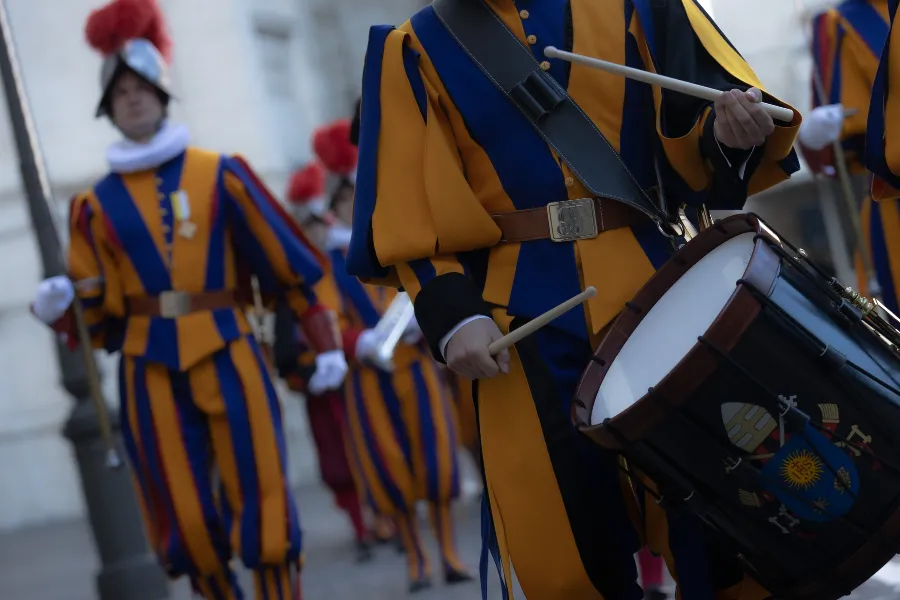
The ceremony began with three Swiss Guards blowing trumpets from the loggia, and then the guards marched to the sound of drums in a solemn procession.
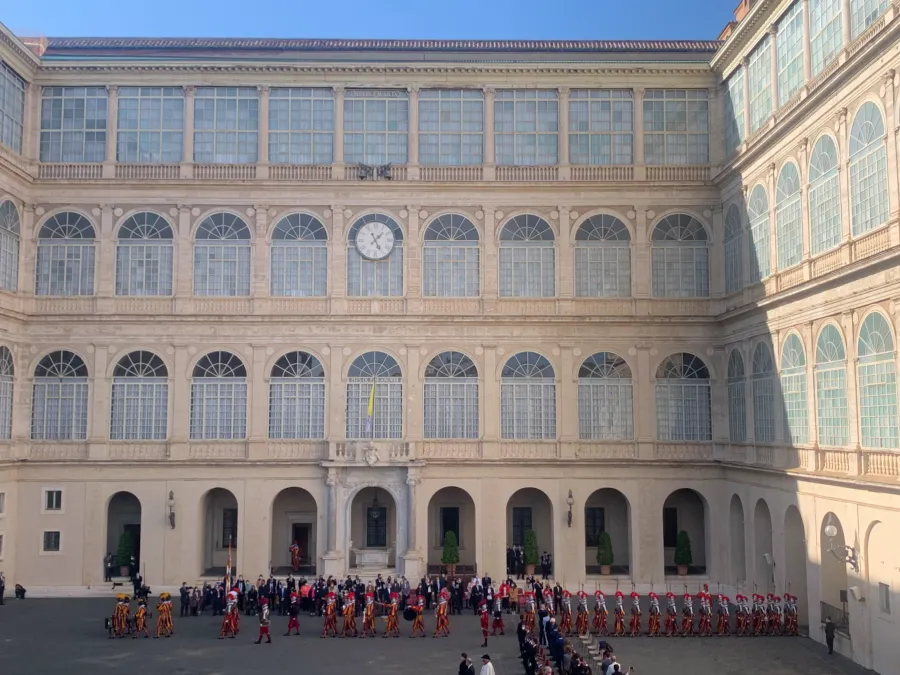
Due to coronavirus restrictions, only the families of the guards and the press were allowed to attend the ceremony held in Vatican City’s San Damaso Courtyard. In 2020, at least 13 Swiss Guards tested positive for COVID-19.
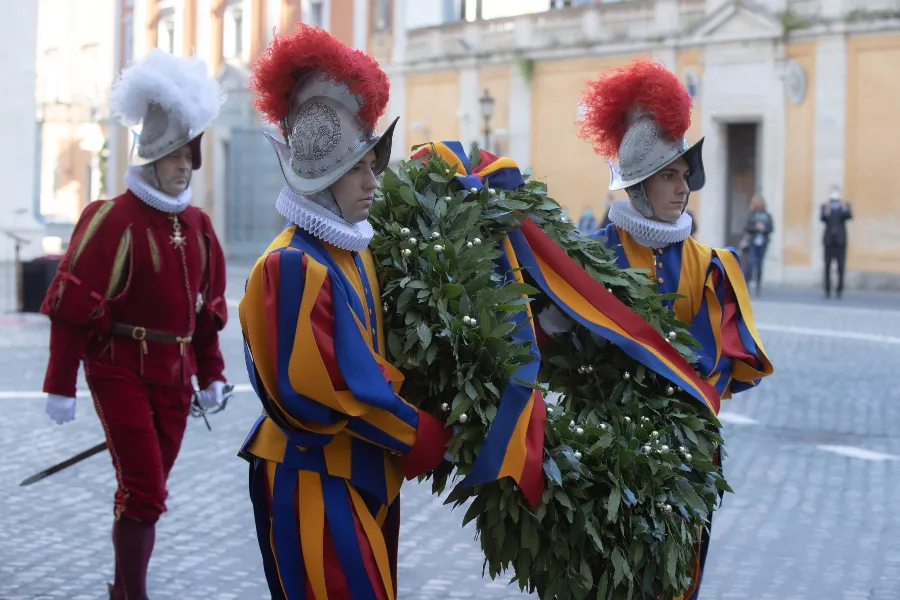
As part of the schedule this year, the family members of the new guards prayed Vespers on the evening of May 5 in the church of Santa Maria della Pieta in the Vatican’s Teutonic College. Later, the “deposition of the crown” ceremony took place in commemoration of the guards who died during the Sack of Rome.
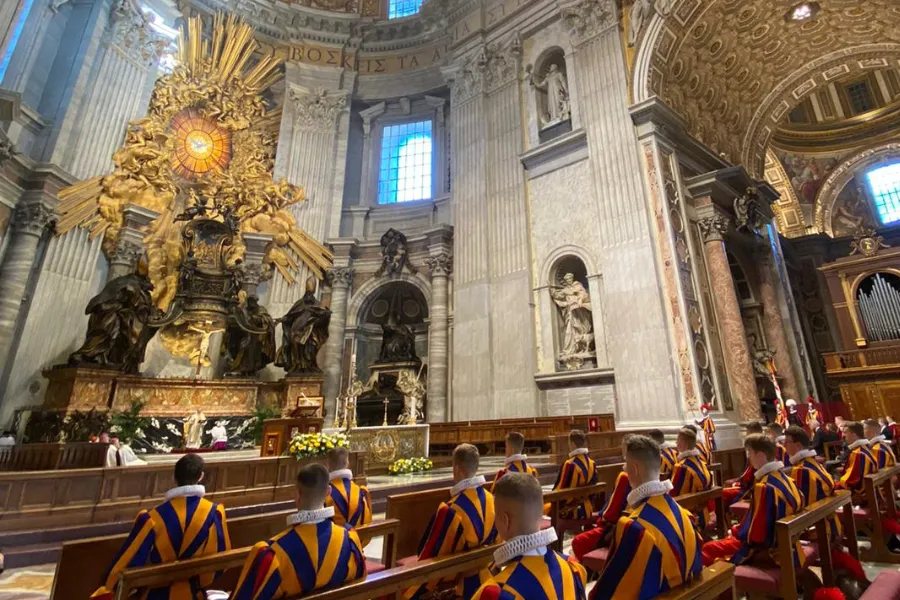
Vatican Secretary of State Cardinal Pietro Parolin also offered Mass with the Swiss Guards in St. Peter’s Basilica in the morning ahead of the swearing-in ceremony.
Swiss Guards attend Mass at St. Peter’s Basilica on May 6, 2021. / Colm Flynn/EWTN News
Gérald Crettaz, the father of one of the new Swiss Guards, 23-year-old Baptiste Crettaz, said that he was very proud of his son for taking the oath.
“In our current world, where everyone is quite selfish and self-centered, my son is committed to something bigger, something wider that doesn’t belong to him, but to everyone. I think it is fantastic and it is so generous,” Crettaz said.
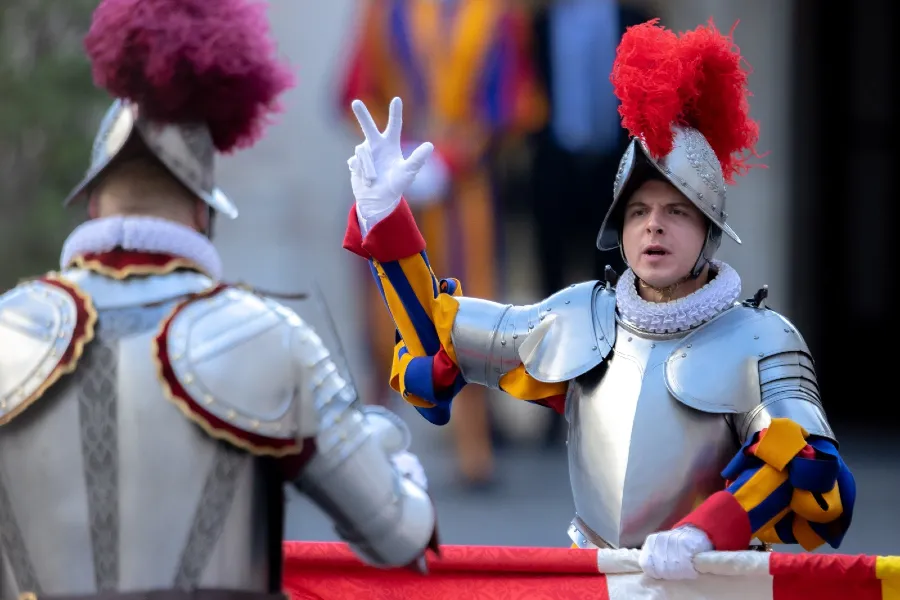
During the ceremony itself, each new recruit approached the flag of the Swiss Guard as his name was called out. Firmly grasping the banner with his left hand, the new guard raised his right hand and opened three fingers as a sign of his faith in the Holy Trinity.
While holding up his fingers, the guard said aloud: “I, (name), swear diligently and faithfully to abide by all that has just been read out to me, so grant me God and so help me his saints.”
In English, the full oath reads: “I swear I will faithfully, loyally and honorably serve the Supreme Pontiff Francis and his legitimate successors, and also dedicate myself to them with all my strength, sacrificing if necessary also my life to defend them. I assume this same commitment with regard to the Sacred College of Cardinals whenever the see is vacant. Furthermore, I promise to the Commanding Captain and my other superiors respect, fidelity, and obedience. This I swear! May God and our Holy Patrons assist me!”
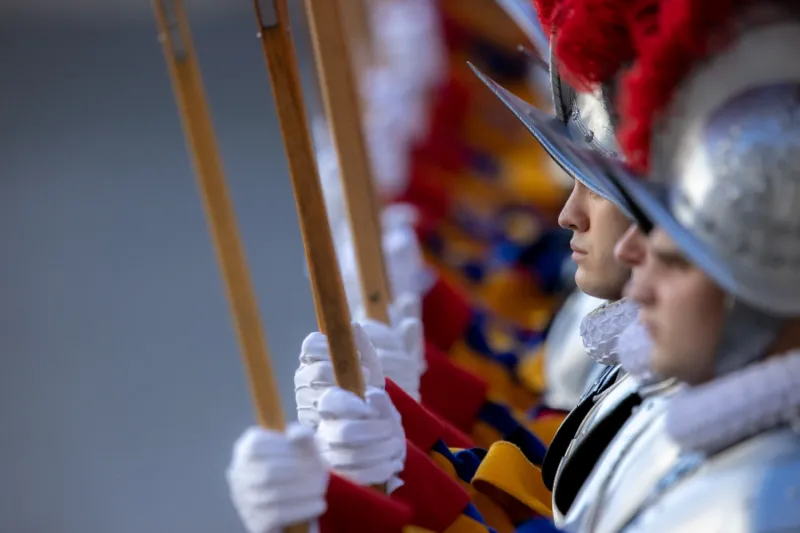
Swiss Guards march into San Damaso Courtyard May 6, 2021. / Courtney Mares/CNA
Swiss Guards — known for their colorful striped Renaissance-era uniforms — are responsible for Vatican security together with the Vatican gendarmes. The Vatican military was established by Pope Julius II in 1506.
Candidates for the Pontifical Swiss Guard are required to meet strict requirements. Each recruit must be a Catholic unmarried male at least 5 feet, 8 inches tall and between the ages of 19 and 30. Swiss citizenship is required, as is a letter of good standing from the candidate’s parish priest.
“It is something that only we, Swiss people, can do, and it is important to show that there still are young people ready to be committed to promote some values,” Swiss Guard Baptiste Crettaz said.
“The fact that we are ready to give up our life for the Holy Father represents a strong meaning,” he said.
The Vatican approved an expansion of the size of the Pontifical Swiss Guards three years ago from 110 to 135 men. Despite the new recruits, it still remains the smallest army in the world.
“I am excited to see the Vatican, to get to know the pope … also to be closer to the Church, to the faith, to grow in the faith,” Bossi said.
“In the end it is to serve God, to serve the Church, to protect the faith and defend the pope,” he said.
Pope Francis received an audience with the new Swiss Guards in the Vatican Apostolic Palace ahead of the ceremony. The pope recalled that some former guards had discerned the priesthood after their service, while others went on to form their own family.
“I pray that those who begin their service now may also respond fully to Christ’s call, following him with faithful generosity,” he said.
“May these years that you will spend here be an occasion for a deepening of your faith and an even stronger love for the Church. I accompany you with my prayers and I thank you for choosing to make a few years of your life available to the Successor of Peter.”
Vatican City, Nov 12, 2020 / 12:00 pm (CNA).- Pope Francis has urged Catholics to care for people fleeing “the viruses of injustice, violence and war,” in a message marking the 40th anniversary of the Jesuit Refugee Service.



Respectful farewell to Cardinal Eusébio Oscar Scheid. Eternal rest grant unto him O Lord and let your perpetual light shine upon the departed soul.