

 By
By The suffering of the Cuban people needs to be alleviated and the country needs to realize that political pluralism is an asset, said Father Ariel Suárez of the Cuban Bishops’ Conference.
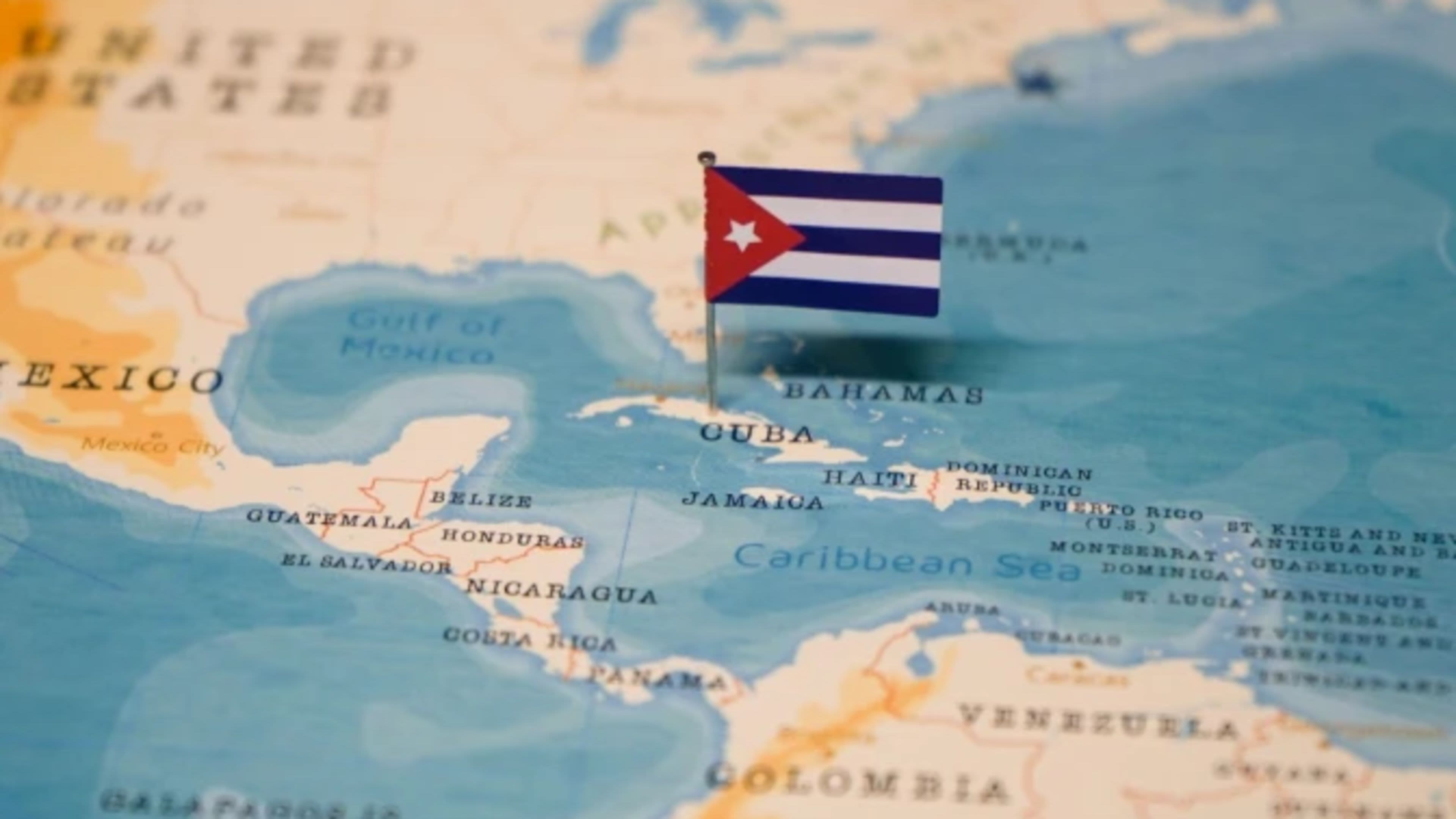
The Cuban people need their painful situation alleviated and the country needs to recognize and accept that plurality of thought and political options “is an asset, not a threat,” said Father Ariel Suárez, assistant secretary of the Cuban Bishops’ Conference.
According to the Cuban constitution, the Communist Party is the only political party allowed.
In an interview with Avvenire, the Italian bishops’ newspaper, the priest explained that Cuba is currently experiencing “a very difficult moment,” and this is what motivated the bishops to ask Pope Leo XIV to postpone the ad limina visit that had been scheduled for Feb. 16–20.
“The deterioration affects every aspect of life in the country. The departure of a single bishop is not the same as that of an entire bishops’ conference. The shepherds have prayed and understood that this is a time to be with the flock: praying, accompanying, serving,” he stated.
Suárez described how, at this time on the island, public and private transportation is at a halt, school and work hours have been reduced, and tourism is at a standstill, leaving thousands of people unemployed.
Furthermore, while medical care has been reduced to only essential lifesaving interventions, the number of vulnerable and homeless people is increasing, and more people cannot afford food and medicine.
“Many lack water because the water trucks — which deliver water to areas where there is none — can’t operate. Inflation is rising, and the currency is devaluing. The psychological impact is enormous,” he pointed out.
During the interview, he recalled the Jan. 31 message from the Cuban bishops in which they stated that Cuba requires urgent changes, not more anguish or suffering.
“We need to be able to express ourselves and live with freedom, commitment, and consistency,” to be able to “combine genuine freedom with responsibility,” and to “put the common good of Cuba before partisan interests,” he said.
“We need spaces for human fulfillment where we can develop personal and family projects,” he added. “We need to respect one another without excluding or stigmatizing anyone.”
Furthermore, the priest said, “we need to produce and enjoy the fruits of our labor,” to rebuild damaged infrastructure, and to “take advantage of the enormous human capital and great goodness present among Cubans, many of whom have left or wish to do so.”
“We need and desire that Cuban families be able to reunite, come together, and find each other,” he said.
Regarding Pope Leo XIV’s call for the United States and Cuba to overcome new tensions through dialogue, the assistant secretary of the bishops’ conference expressed hope that dialogue would be possible.
“Pope Leo spoke of a ‘sincere and effective’ dialogue,’ two important adjectives. With dialogue, one always wins. With conflict, one loses because it creates wounds that are difficult to heal, such as hatred, anger, and revenge,” he said.
Suárez said he is not a politician, sociologist, or economist, but as a priest, he speaks about what he sees every day: “The retiree who now has nothing, the hungry, the unjustly detained, the mother who is alone because her children have emigrated, the sick without medicine, the drug-addicted teenager, the priest who cannot reach his parishioners due to lack of fuel, the people without hope.”
“To the international community, I say: Put an end to all this suffering.”
This story was first published by ACI Prensa, the Spanish-language sister service of EWTN News. It has been translated and adapted by EWTN News English.
If you value the news and views Catholic World Report provides, please consider donating to support our efforts. Your contribution will help us continue to make CWR available to all readers worldwide for free, without a subscription. Thank you for your generosity!
Click here for more information on donating to CWR. Click here to sign up for our newsletter.
Leave a Reply